Horse Welfare on Riding Holidays: Why Your Choice Matters
A great riding holiday should leave you thinking about your horse long after you've come home. Not just because they carried you across a mountain, galloped with you along a beach or calmly picked their way down a trail you wouldn't have attempted on foot – but because they were happy, healthy horses who were clearly comfortable in their work. For us, that matters.
Horse welfare is an essential consideration when we choose the horse riding holidays we offer at SaddleTravel. And as riders, we have more power to encourage good horse welfare around the world than we might realise.
What does good horse welfare look like?
You don't need to be a vet to recognise many of the signs of a well-cared-for horse. We want to see horses in an appropriate body condition, without untreated wounds or obvious discomfort. Tack should fit correctly. Horses should have appropriate access to food, water, rest and social contact, and their workload should be suitable for their age, fitness and condition.
But good welfare is about more than avoiding neglect. Look at the horse underneath you. Is it interested in its surroundings? Does it move willingly? Does it appear relaxed around its handlers? When it isn't working, is it given the opportunity to behave naturally and interact with other horses? Those details tell you a lot.
And good horse welfare doesn't necessarily look identical everywhere. A trail horse crossing the Turkish mountains has different needs from a safari horse in South Africa or a hardy Henson horse living on the coast of northern France. Here are a few examples from some of our horse riding holidays around the world.
Henson Horses in France: allowing horses to live like horses
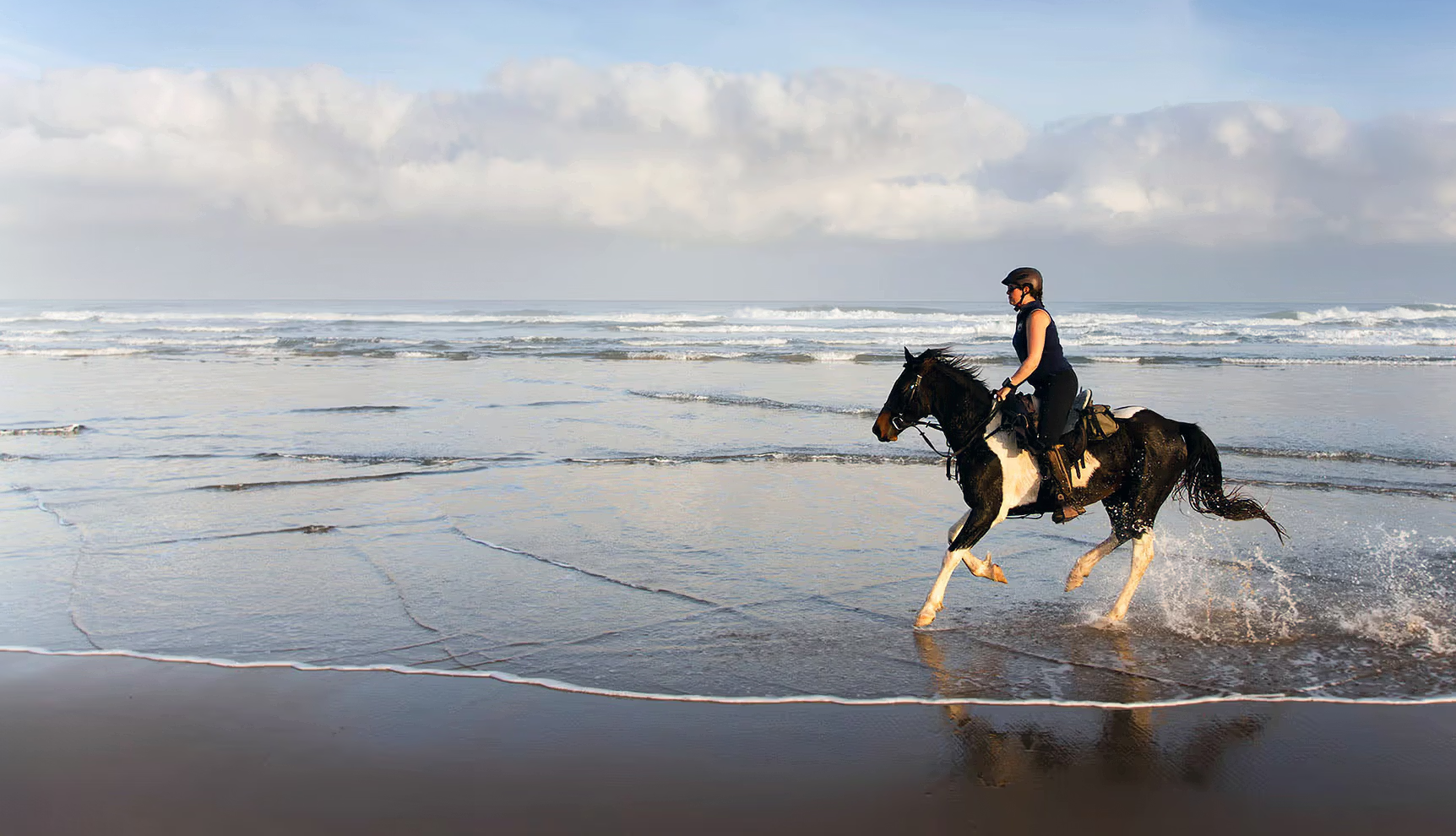
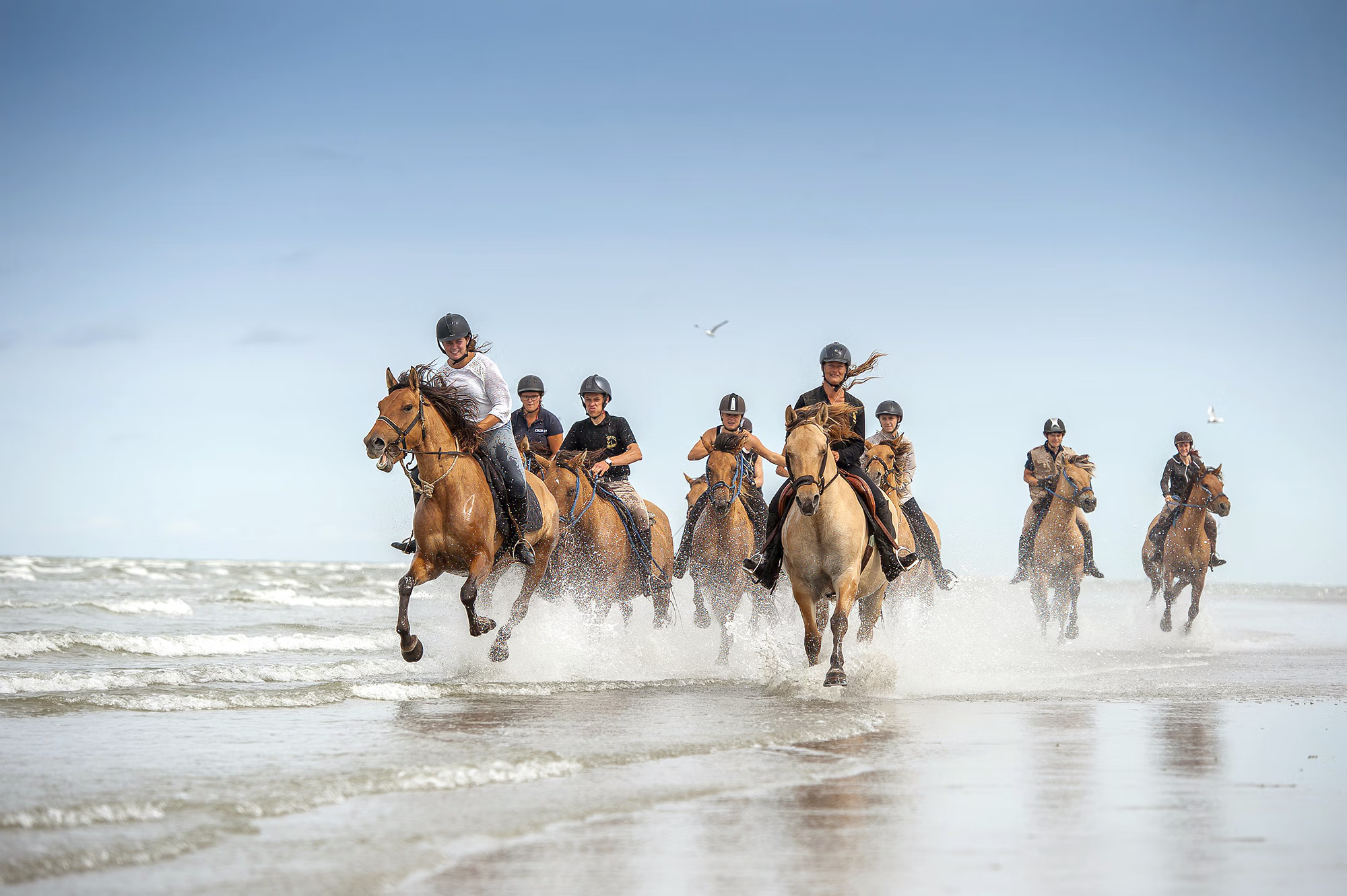
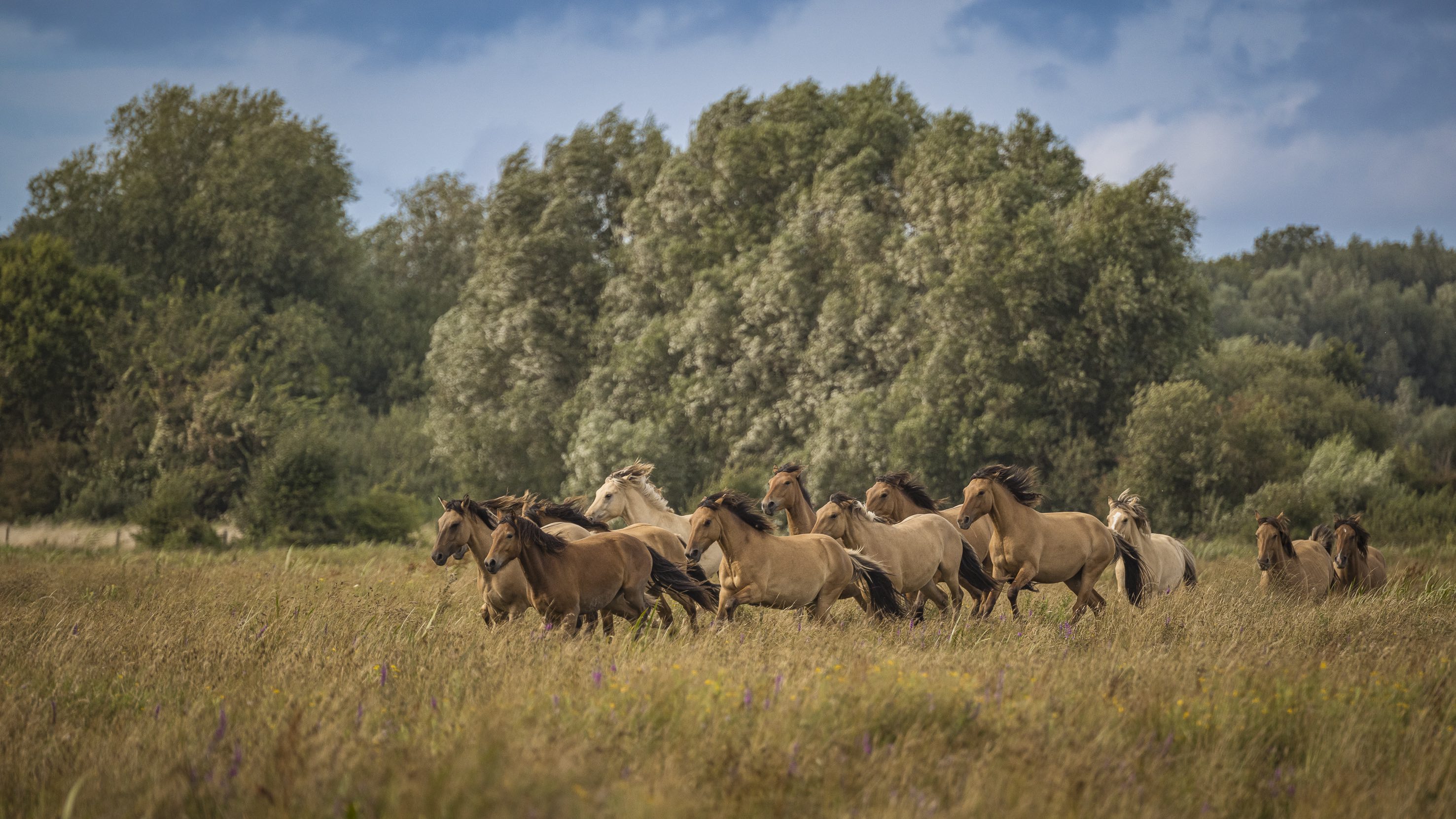
On our Bay of Somme Trail, you'll ride the distinctive Henson horse – a hardy breed developed specifically for the wetlands, dunes and coastal terrain of this beautiful part of France.
The Henson approach places considerable emphasis on natural living. Horses are kept outside in social groups with space to move and interact with one another rather than spending their lives individually stabled.
They're also wonderfully suited to the job they're being asked to do. Hardy, surefooted and at home in this environment, they carry riders through forests, countryside, dunes and eventually onto the enormous beaches of the Bay of Somme. All of the horses on this particular trail are also ridden bitless. It's a great example of something we think is fundamental to good welfare: where possible, allowing horses to spend plenty of their lives simply being horses.
Discover the Bay of Somme Trail →
South Africa: sharing the workload
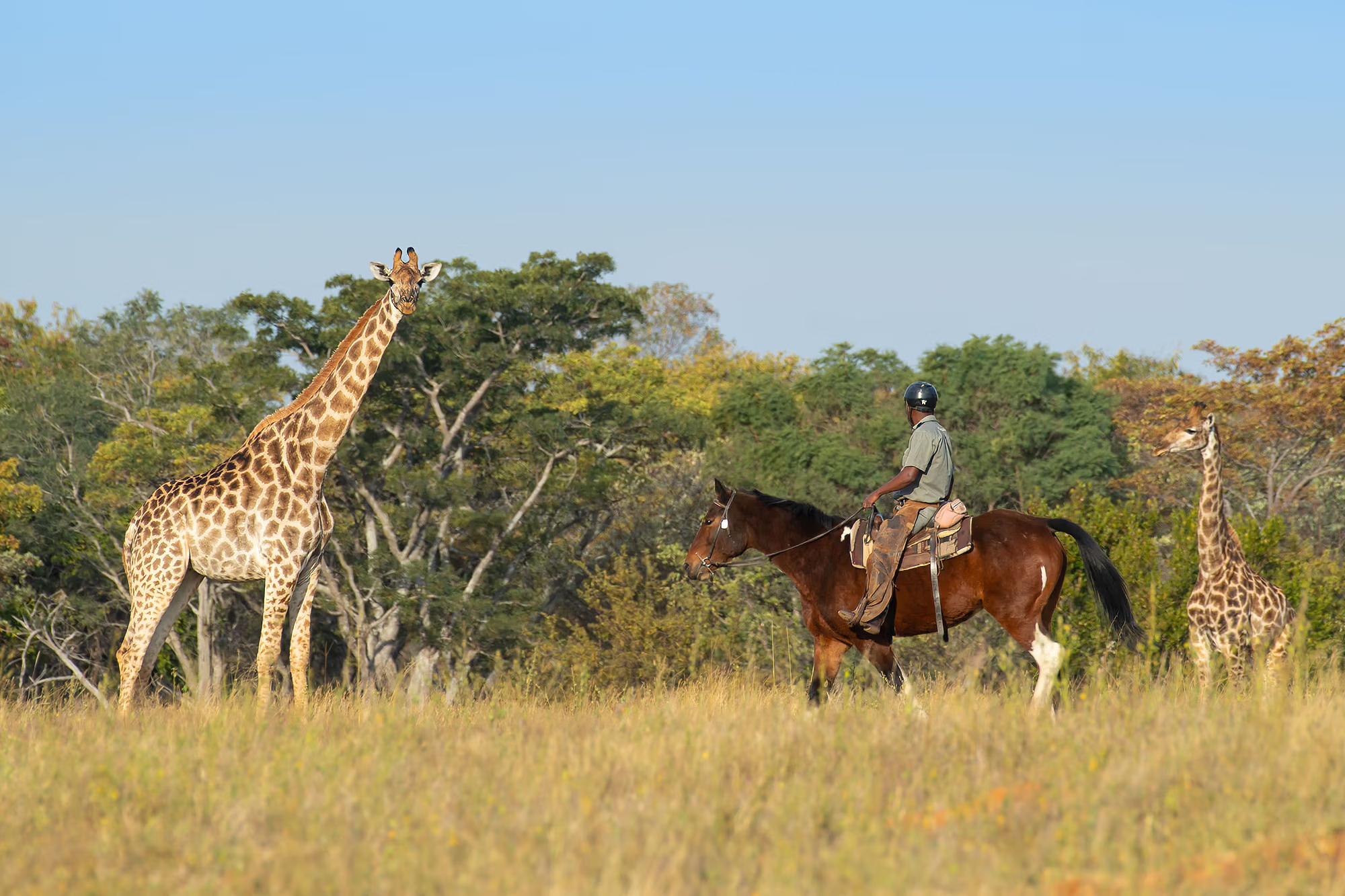
At Horizon in South Africa, horses are at the very heart of the operation. Guests on our South African Lodge Stay explore a huge 21,000-acre conservancy on horseback, with riding adapted to different abilities. Riders are carefully matched to appropriate horses and divided into groups according to experience.
Having a large herd also means that the work can be shared between horses rather than relying on the same few individuals. The riding itself is varied too. Depending on the horse and rider, a week might involve relaxed wildlife rides, longer canters through the conservancy, polocrosse, small jumps or even swimming with the horses. This is another important element of welfare on horse riding holidays: thinking about the individual horse, its workload and the job it's being asked to do – rather than treating every horse as interchangeable.
Discover the South African Lodge Stay →
Cappadocia: putting the horse before the booking
Sometimes good welfare means saying no.
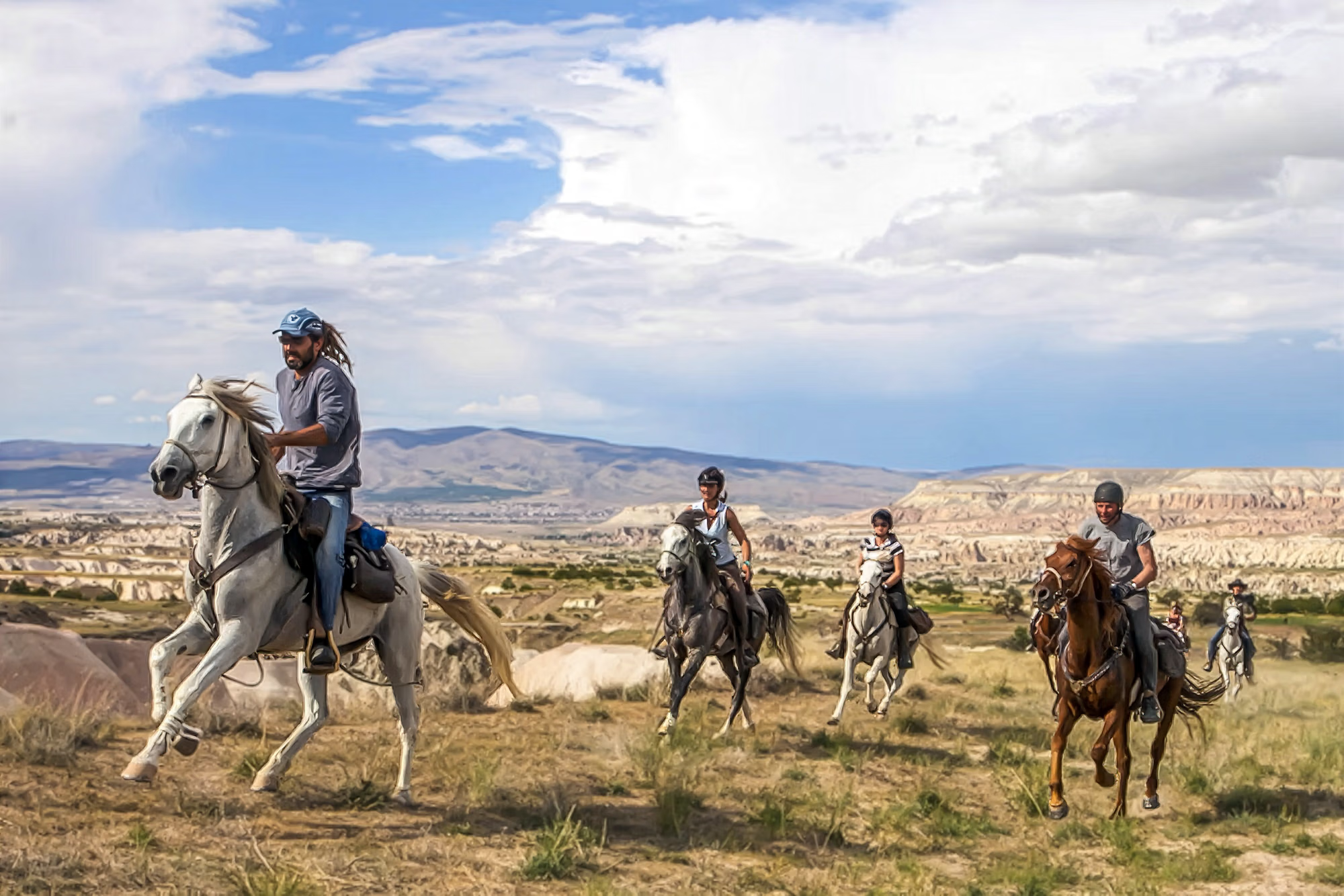
On our Cappadocia Guesthouse Trail in Turkey, the Arabs and Arab-crosses live outside together as a herd throughout the year in large pastures. They're trained using natural horsemanship methods and need to be exceptionally fit and surefooted for the demanding Cappadocian terrain. The operator also has a strict rider weight limit of 85kg, including riding equipment. Riders between 80kg and 85kg need to enquire before booking because there are only a small number of horses suitable for carrying this weight. It would obviously be commercially easier to accept every rider.
But that's not the point.
Weight limits should reflect the horses available, the terrain, the length and intensity of the riding and the work they're being asked to perform. Tack matters too. On this trail, horses are ridden in saddles handmade by the local partners specifically to fit their horses. For us, this is a really important part of responsible equestrian tourism: the horse's needs have to come before making another sale.
Discover the Cappadocia Guesthouse Trail →
Andalusia: thinking beyond the riding holiday
Our Andalusian Beach Trail is another good reminder that horse welfare isn't only about what happens during the hours a guest is in the saddle. The horses here live outside together as a herd when they aren't working, with space to move and interact naturally. Most importantly, many of these horses remain with their hosts for life. We think that's worth celebrating.
When choosing horse riding holidays, it's easy to focus on what happens during our week away. But responsible horse ownership extends across the horse's entire life – including the years when it may no longer be carrying guests along beaches and trails.
Discover the Andalusian Beach Trail →
Can your holiday actually improve horse welfare?
We believe responsible equestrian tourism can be a force for good. This is particularly significant in destinations where horses and other working equines are an important part of rural life and provide income for local people. Tourism brings money into these communities – but riders also bring expectations.
When travellers actively choose operators with healthy horses, sensible weight limits, appropriate workloads, good tack and responsible management, they send a powerful economic message: Good horse welfare matters to customers.
Imagine two riding businesses operating in the same region. One invests in good feed, appropriate tack, veterinary and farrier care, rest and enough horses to share the workload. Its guests notice. They come home talking about how wonderful the horses were. They recommend the holiday to friends. They leave reviews praising the condition and care of the horses. Other operators can see what those guests value. That's why choosing responsible horse riding holidays matters.
Good welfare should exist because it's the right thing to do. But when good welfare also contributes to happy customers, positive reviews and successful businesses, it creates an additional incentive for standards to rise. Vote with your booking. Wherever you ride in the world, pay attention to the horses. Ask questions.
How are the horses kept when they're not working? How often does each horse work? Are horses matched appropriately to their riders? Are there sensible weight limits? Does their tack fit? What happens when horses become older or can no longer work?
And don't be afraid to praise excellent horse care when you see it. Tell your guide. Mention it in your review. Share photographs of healthy, relaxed horses. Recommend operators who are doing things well. Because the more riders demonstrate that horse welfare affects where they spend their money, the stronger the incentive becomes for the wider industry to maintain – and improve – its standards.
Responsible horse riding holidays can be part of the solution It's sometimes tempting to look at equestrian tourism in less wealthy parts of the world and conclude that the responsible choice is simply not to ride. We don't think it's that simple. Responsible riding tourism can provide income for guides, grooms, horse owners, accommodation providers and rural families. In some destinations, it can give horses considerable economic value and provide a financial reason to invest in their long-term health and care. The important question is which businesses we choose to support.
When you book a carefully selected riding holiday through SaddleTravel.com, you're not just choosing an incredible place to ride. You're also supporting operators whose horses are central to the experience – and showing the wider industry that riders care about how those horses are treated. Every booking is a small vote for the kind of equestrian tourism we want to see more of. And if enough of us keep choosing happy, healthy horses, that message can travel a very long way.