Namibia Desert Crossing

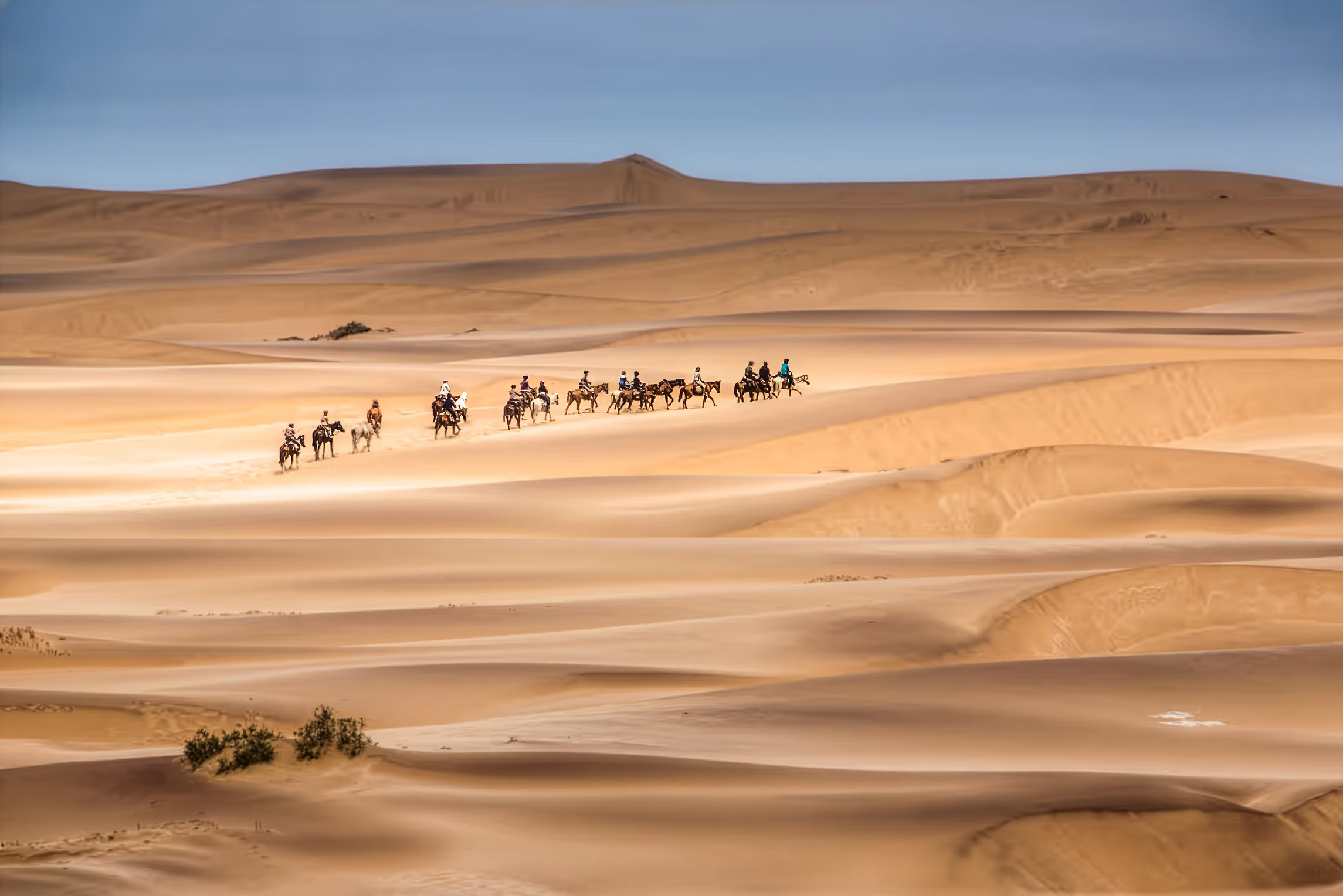
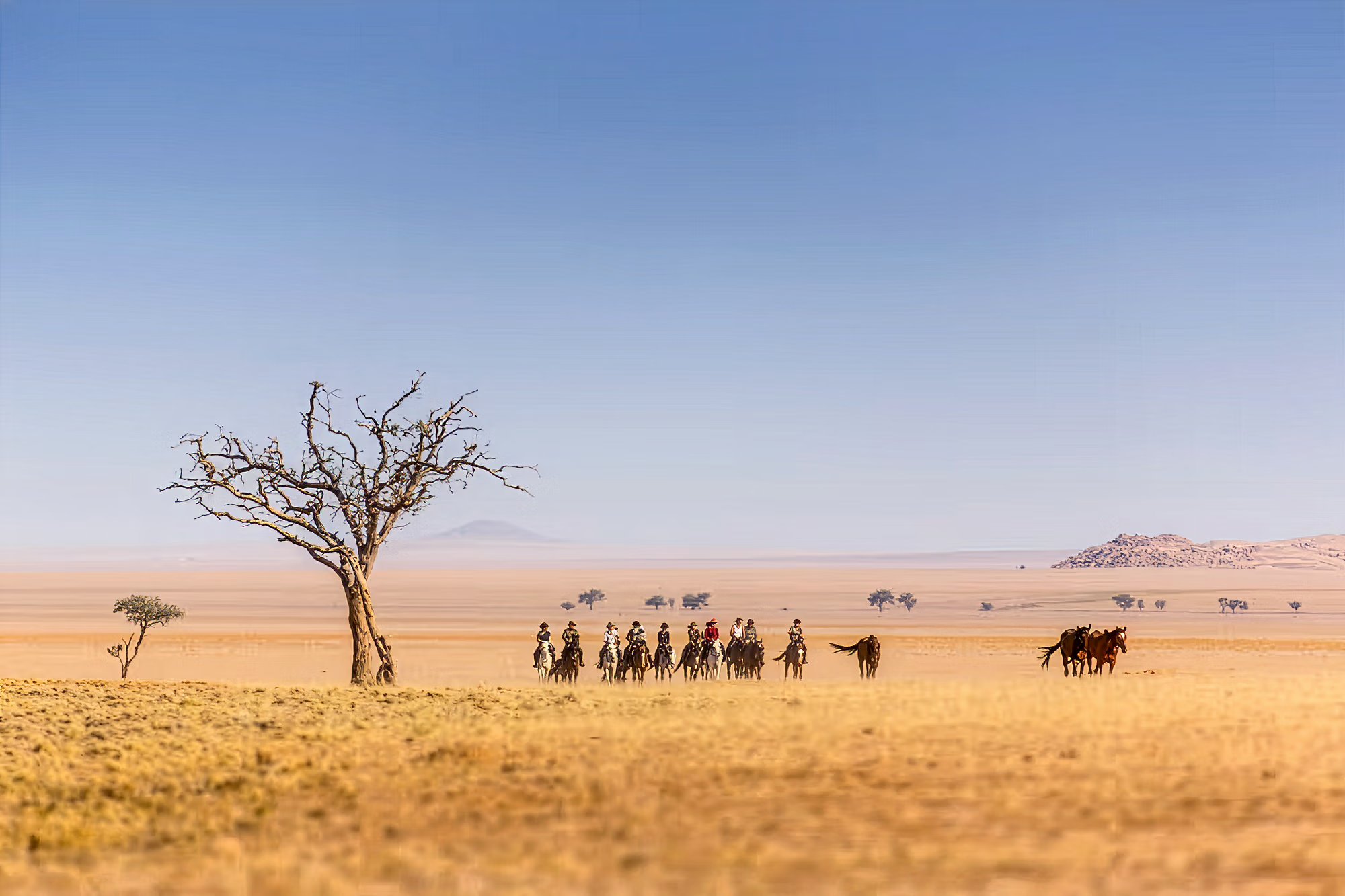
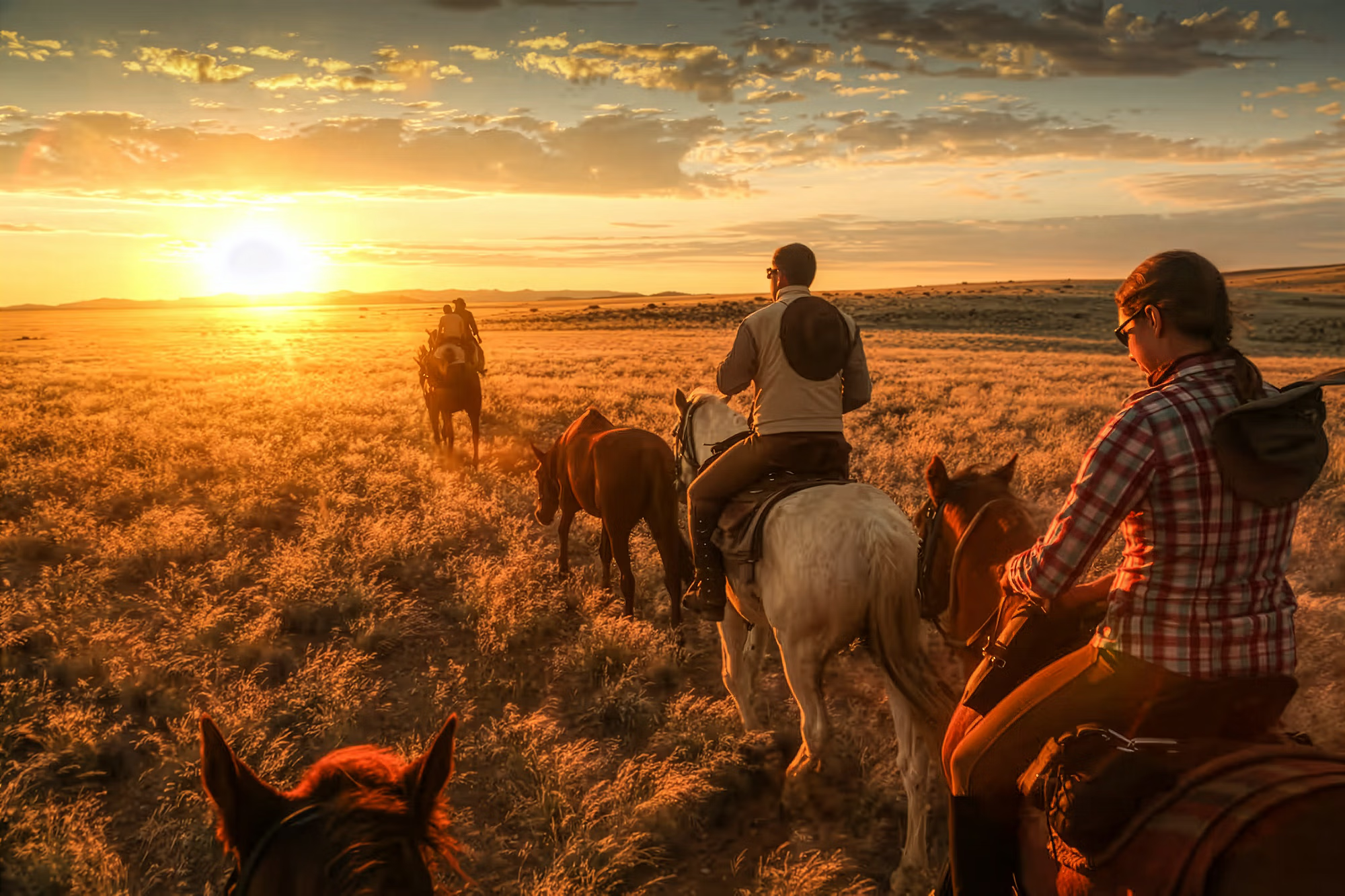
Ride 320 km across the Namib desert to the Atlantic Ocean. The fastest safari guided by remote riding adventure specialists - crossing the dramatic desert terrain of Namibia. This is a true adventure with two nights in lodges and 8 nights wild camping with some unexpected luxuries like ice in your drinks, hot showers, delicious food around the campfire and the magnificent southern stars arching over you at night. This is our most adventurous ride and is only for fit and confident riders. An unforgettable experience with wildlife and landscapes on a scale you've never experienced before.
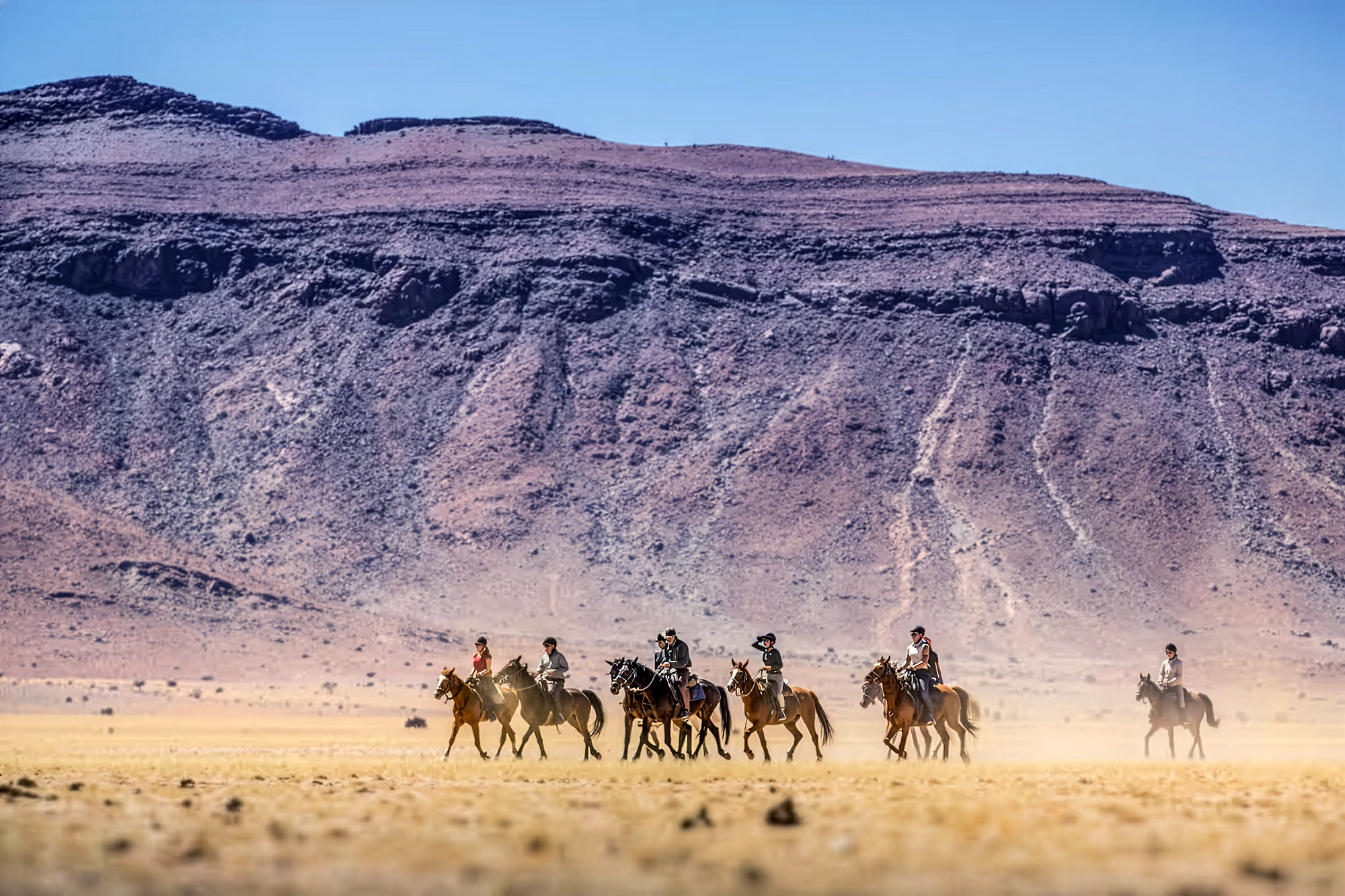
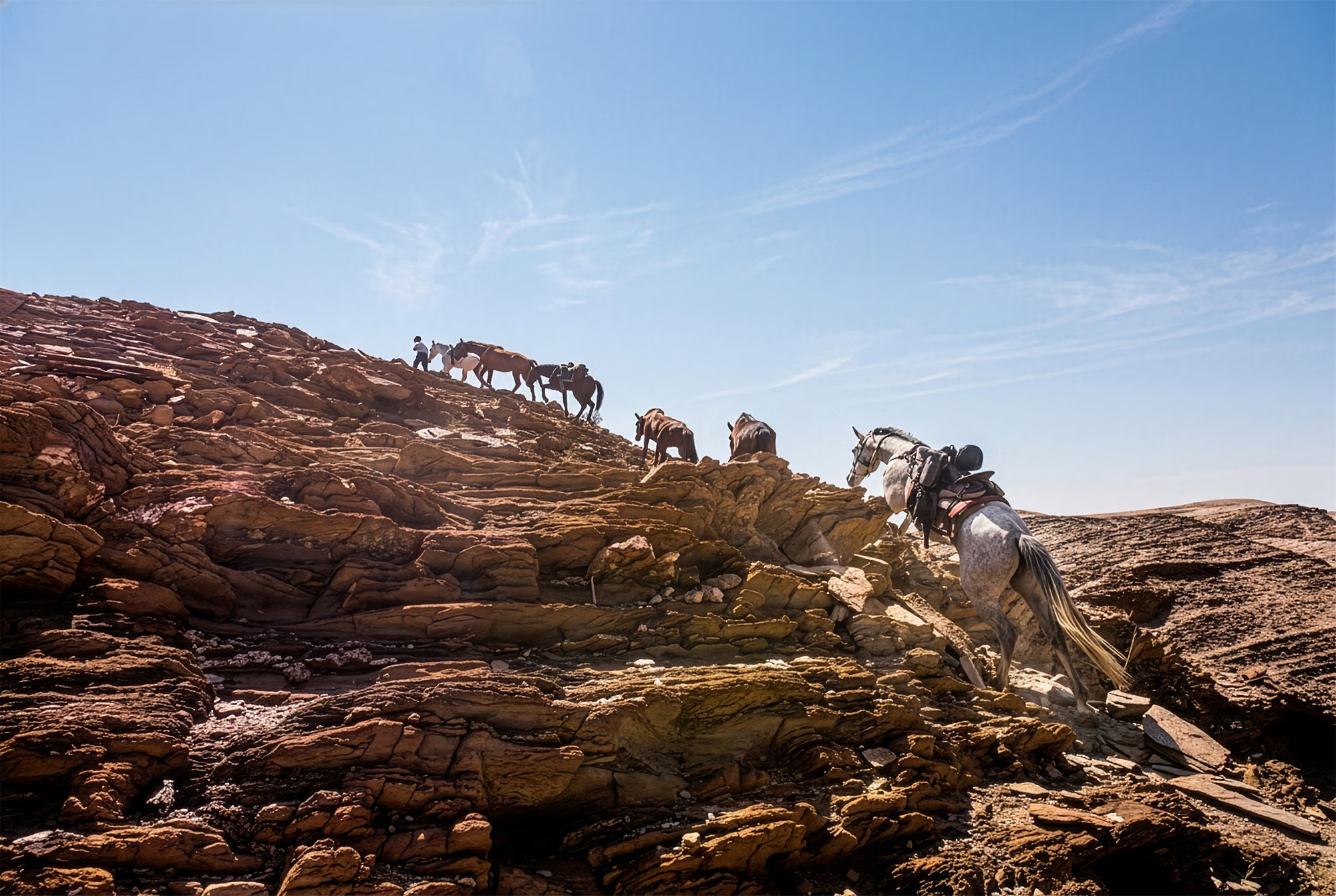
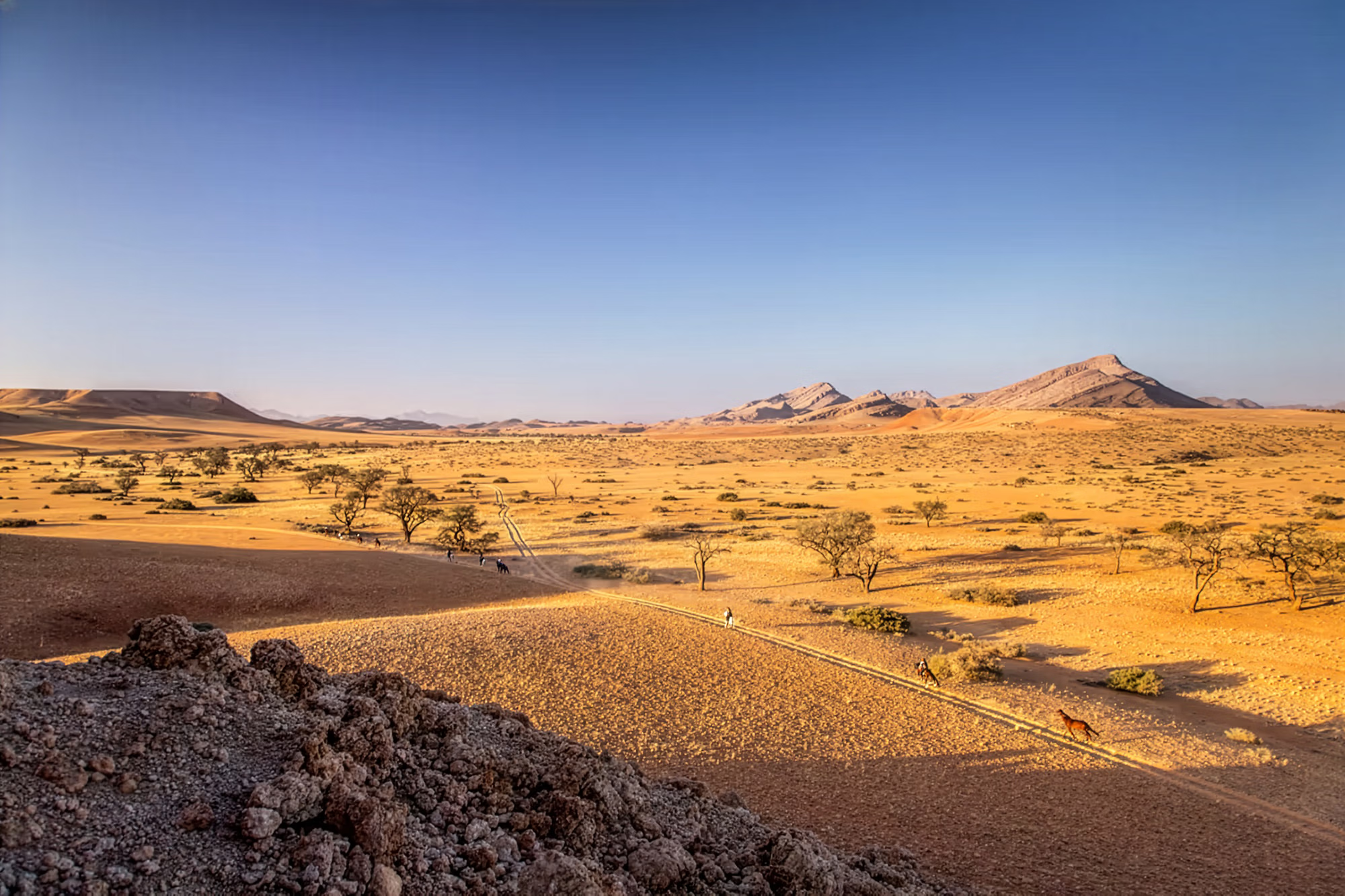
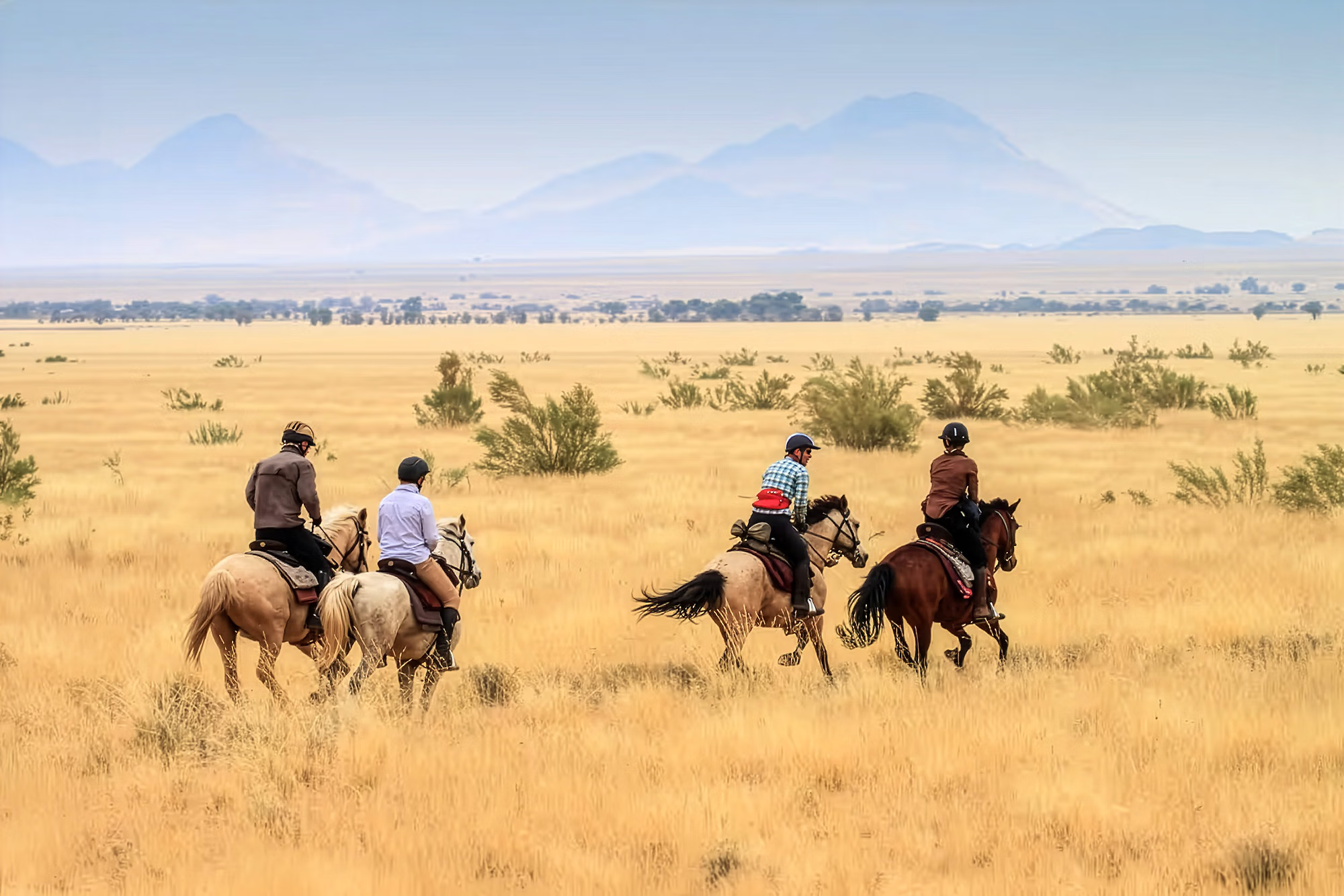
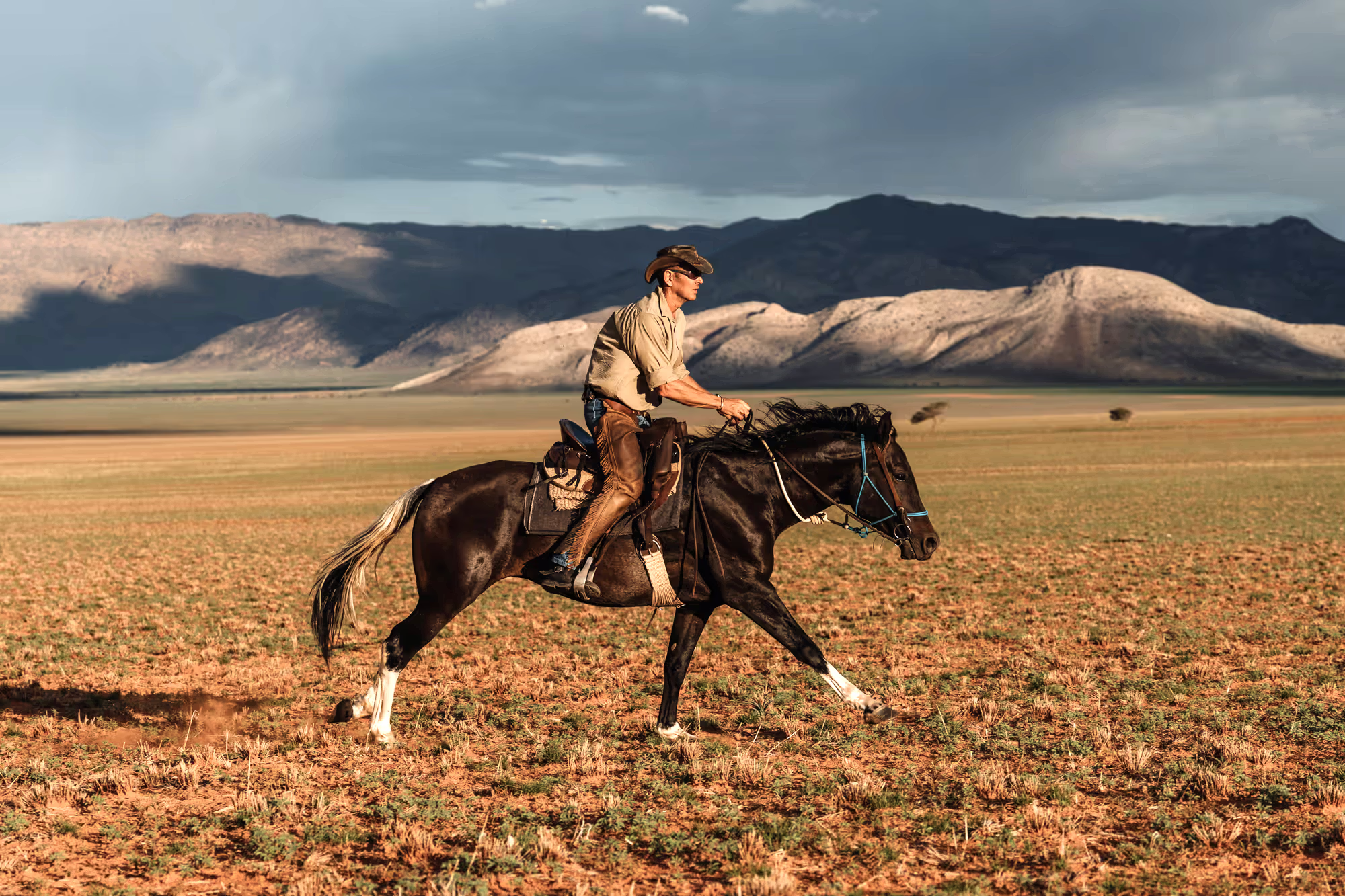
Expect to ride between 5-7 hours per day and at a fast pace with long canters and oppotunities to race your guide and fellow riders! You’ll ride through the highlands, to deep river valleys where you may encounter elephant, rhino, oryx, springbok and other desert-adapted wildlife.
Leaving the valleys behind you cross the open plains with the striking Brandberg (burning mountain) forming a dramatic backdrop. The endless plains allow for some fast riding through the sandy desert before you finish the trail with a final gallop on the beach. The terrain is very varied and you will ride at all paces.
itinerary
Days 1–2 | Windhoek to the Brandberg and Ugab River
Your adventure begins in Windhoek, where you are welcomed and spend the night at River Crossing Lodge. Over sundowners and dinner, you meet your fellow riders and guide, Andrew, who introduces the journey ahead. The following morning, you travel north by road for approximately five hours, watching the landscape grow ever more remote as you journey toward the Brandberg Massif. Namibia’s highest mountain rises dramatically from the plains, its vast granite bulk dominating the horizon. After lunch en route, you arrive at the Ugab River in the late afternoon to meet your horses and crew. Your first night is spent bush camping in elephant country, fully immersed in desert wilderness beneath expansive, star‑filled skies.
Days 3–4 | Skirting the Brandberg Foothills
Riding begins along the eastern foothills of the Brandberg, following dry washes and open savanna that drain from the mountain’s slopes. As the terrain becomes more undulating, the pace increases, offering long stretches of flowing riding across plains and scrub. The Brandberg glows red in the setting sun, living up to its name, the “Burning Mountain.” Camps are set among camelthorn trees, where evenings are spent around the fire and nights are passed sleeping under a canopy of stars.
Days 5–6 | From the Plains to the Omaruru and Spitzkoppe
With the Brandberg slowly receding behind you, the desert opens into wide plains leading toward the Omaruru River, one of Namibia’s great ephemeral waterways. Fast‑paced riding is often possible here, broken by stands of riverine vegetation where wildlife gathers. Beyond the river, granite boulders become ever more prominent as the unmistakable outline of the Spitzkoppe emerges ahead. You camp beneath this iconic inselberg, its sheer granite faces rising abruptly from the flat desert floor, creating one of the most striking campsites of the journey.
Days 7–8 | San Rock Art, Trekkopje and Rossing Mountain
The route continues through a beautifully rugged boulder landscape to Kleine Spitzkoppe, where exceptionally well‑preserved San rock art reveals the stories of Namibia’s earliest inhabitants. From here, vast open plains stretch toward Trekkopje, a low hill once used as a navigational marker by ox‑wagon travellers and later the site of a World War I engagement. As the ride progresses toward Rossing Mountain, the scenery shifts again, with warm granite giving way to stark white quartz formations that signal your gradual approach to coastal Namibia.
Days 9–10 | Down the Swakop River to the Atlantic Ocean
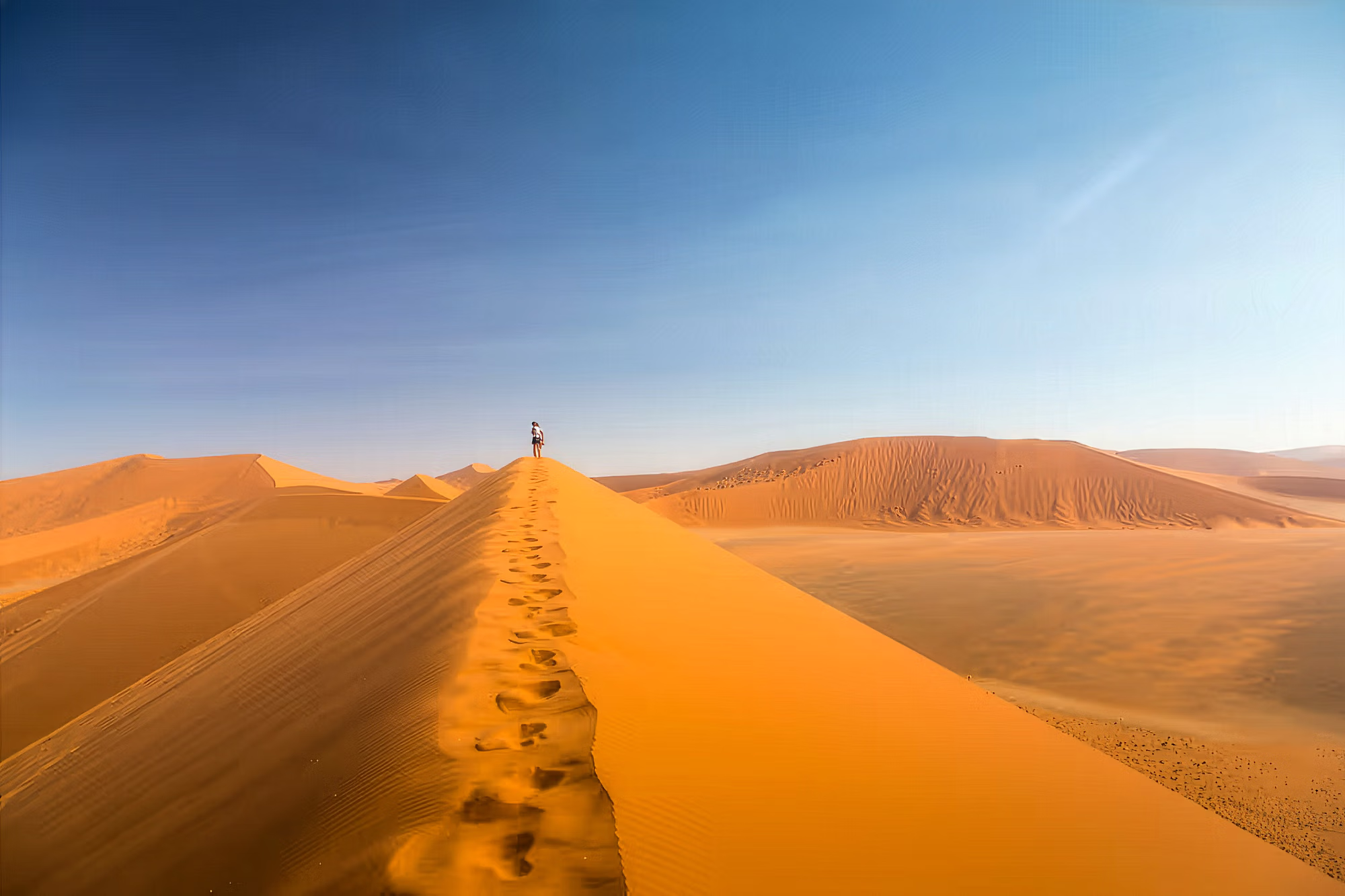
Your final riding days follow the ancient Swakop River basin, carved through 600‑million‑year‑old geology into surreal, moon‑like landscapes. Dark dolerite ridges form smooth “whale‑back” shapes across the surrounding hills, while pockets of riverine forest provide welcome shade at camp. On the last day, you ride through the plains before re‑entering the river system as the Namib dune sea opens out toward the Atlantic Ocean. Lunch is enjoyed on the beach, after which you transfer to a coastal hotel for your final night, complete with a hot shower and celebratory dinner.
Day 11 | Return to Windhoek
After breakfast, you depart by road for the return journey to Windhoek, a drive of just over five hours. Arrival is scheduled for early afternoon, around 13:00, international flights should be booked to depart after 15:00. Alternatively, riders can depart directly from Walvis Bay Airport (37km from Swakopmund).
Get a free
Namibia Desert Crossing
Mini-brochure PDF
know before you go
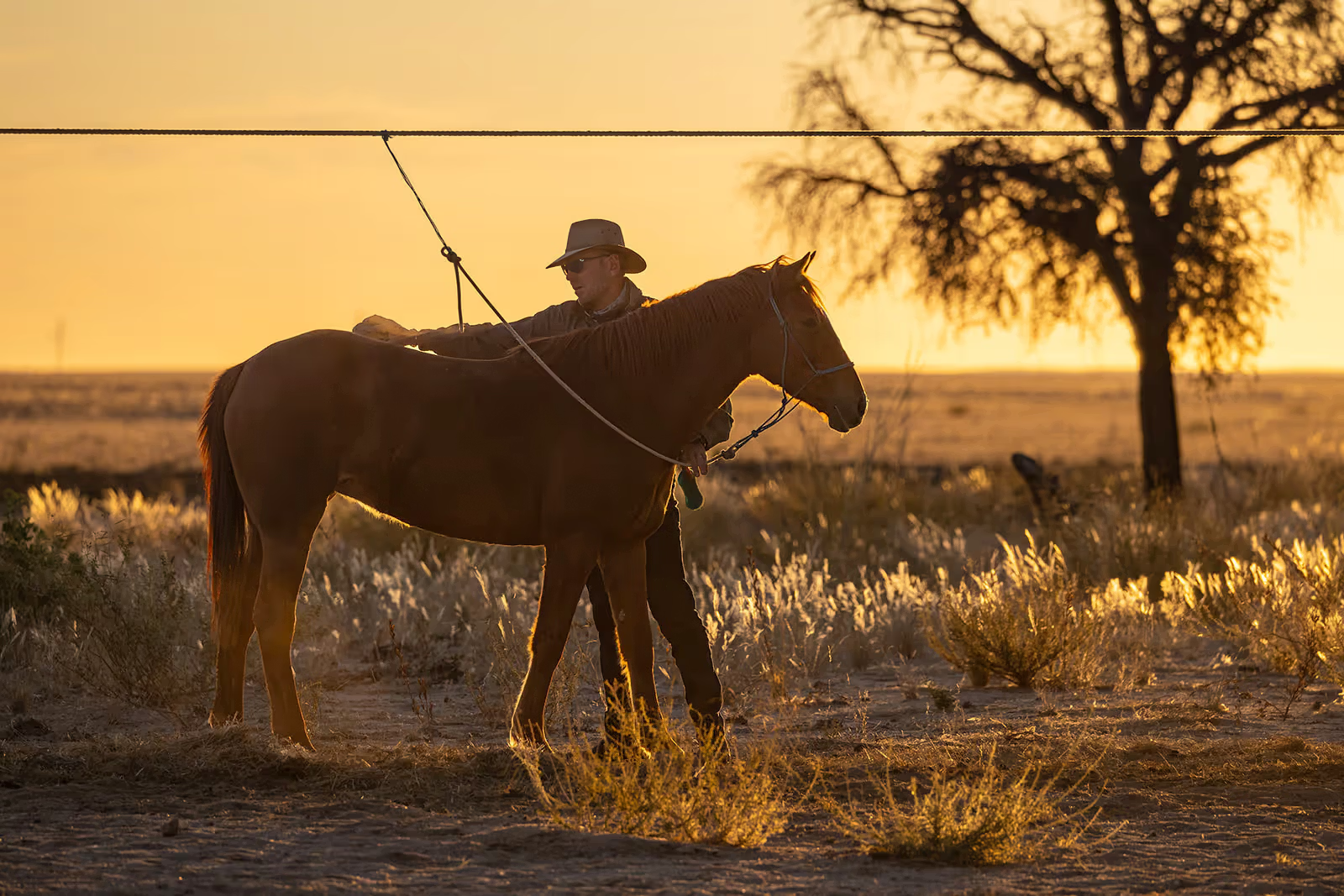
This is one of the most adventurous trails we offer and is only suitable for intermediate or advanced riders with a good level of current fitness. You must be able to mount your horse from the ground unaided, and must feel completely at ease riding at all paces and over uneven terrain. It is important to be secure and balanced in the saddle and capable of riding up to 50kms a day, often at speed. On the trail you will be responsible for grooming, checking over and tacking up your own horse.
We also recommend that any rider wishing to join this ride spends a regular amount of time in the saddle before this trip to be ready physically. The average time in the saddle on this trail is 6 hours per day.
Heavier riders can be taken by arrangement with a supplement for an extra horse. Additional horses are required for riders weighing over 85kg in riding gear.
Your guides have been running these remote horse riding safaris for almost 30 years and are knowledgeable, attentive and experienced. They have crossed the Namib desert many times so you’ll be in safe hands.
Group size: 5-12
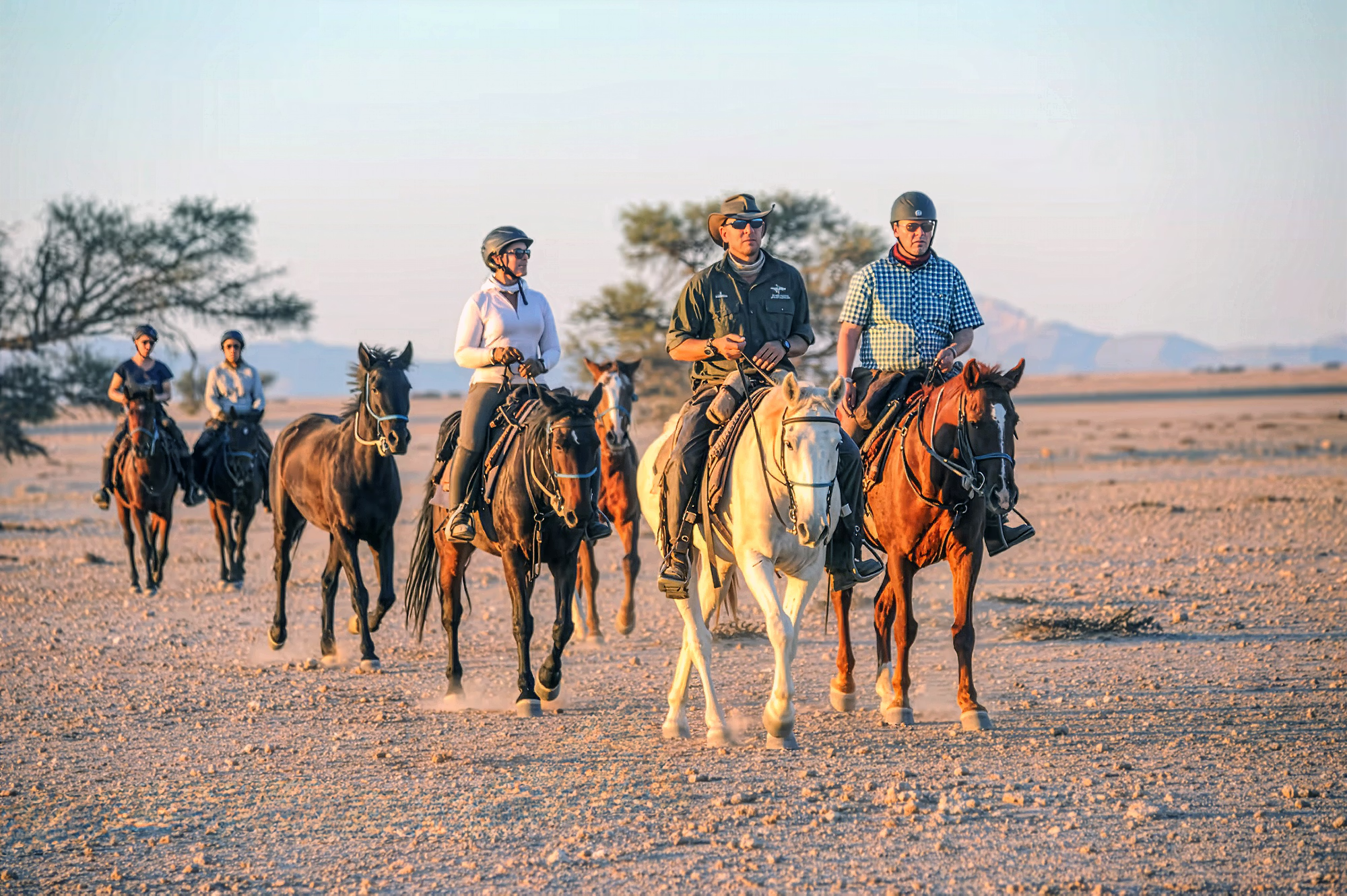
The horses are a mix of breeds, all are very fit and endurance trained. A large herd of horses and limited dates means that each horse only does a handful of safaris each season making them enthusiastic partners across the desert. Some of the breeds used are Quarter Horses, Arab, Haflinger, Lippizzaner, Trakehner, and even the famous wild horses of the Namib desert. They range in height from 14.2-16hh, are fast and sure footed. Raised on rough terrain, all of them make kind and reliable companions for the trail.
The riding is much quicker than other safaris, fast gallops and long canters, combined with the alien scenery of the desert. However the horses are well trained, responsive and know their jobs so the riding is extremely enjoyable rather than a struggle with an unwilling partner. You must come riding fit for this adventure, a wild ride with only a few dates released each year.
When not on safari the horses live as a herd in the bush, each horse generally working no more than a handful of safaris each season. The horses are mainly ridden in endurance saddles, snaffle bridles and on a long rein. They are well-schooled, responsive and experienced in the desert.
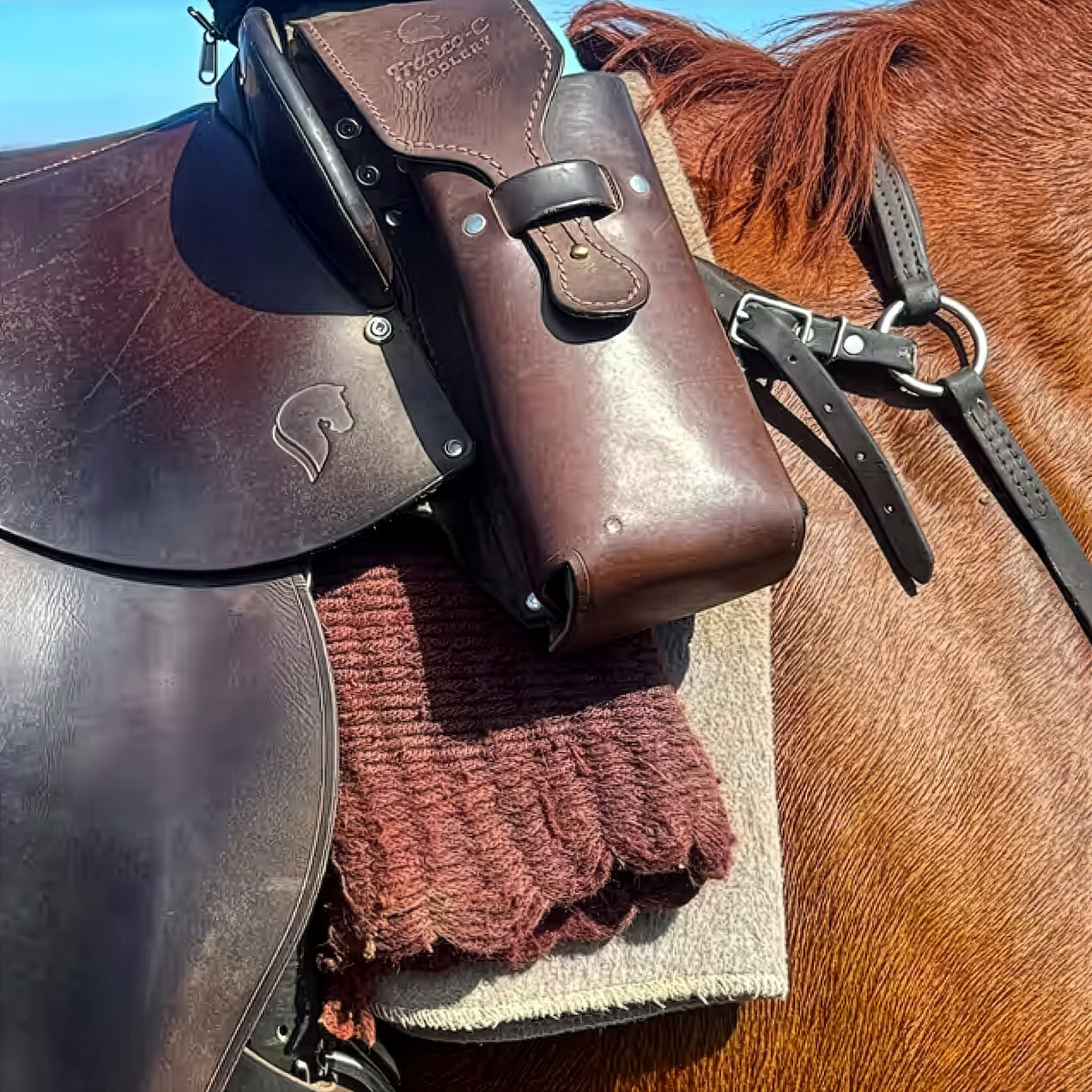
30 years of perfecting the art of remote riding safaris has given your hosts some insight into what works and what does not. They use soft mohair girths and woollen saddlepads under a saddle custom built for maximum spread of weight yet leaving the horses’ shoulder free. Each rider is provided with panniers for water and a pocket for a small camera….we think this is about perfect.
Price includes
- 2 nights lodge accommodation
- 8 nights camping accommodation
- 8 days of riding
- Breakfasts
- Lunches
- Dinners
- Drinks while on the ride
- Return transfers from/to Windhoek airport at set times
- Local transfers during the ride
- Luggage transportation
Price Excludes
- Flights
- Drinks in lodges (first and last nights)
- Drinks/snacks at petrol stations
- Additional transfers (for example if flights are delayed)
Accommodation
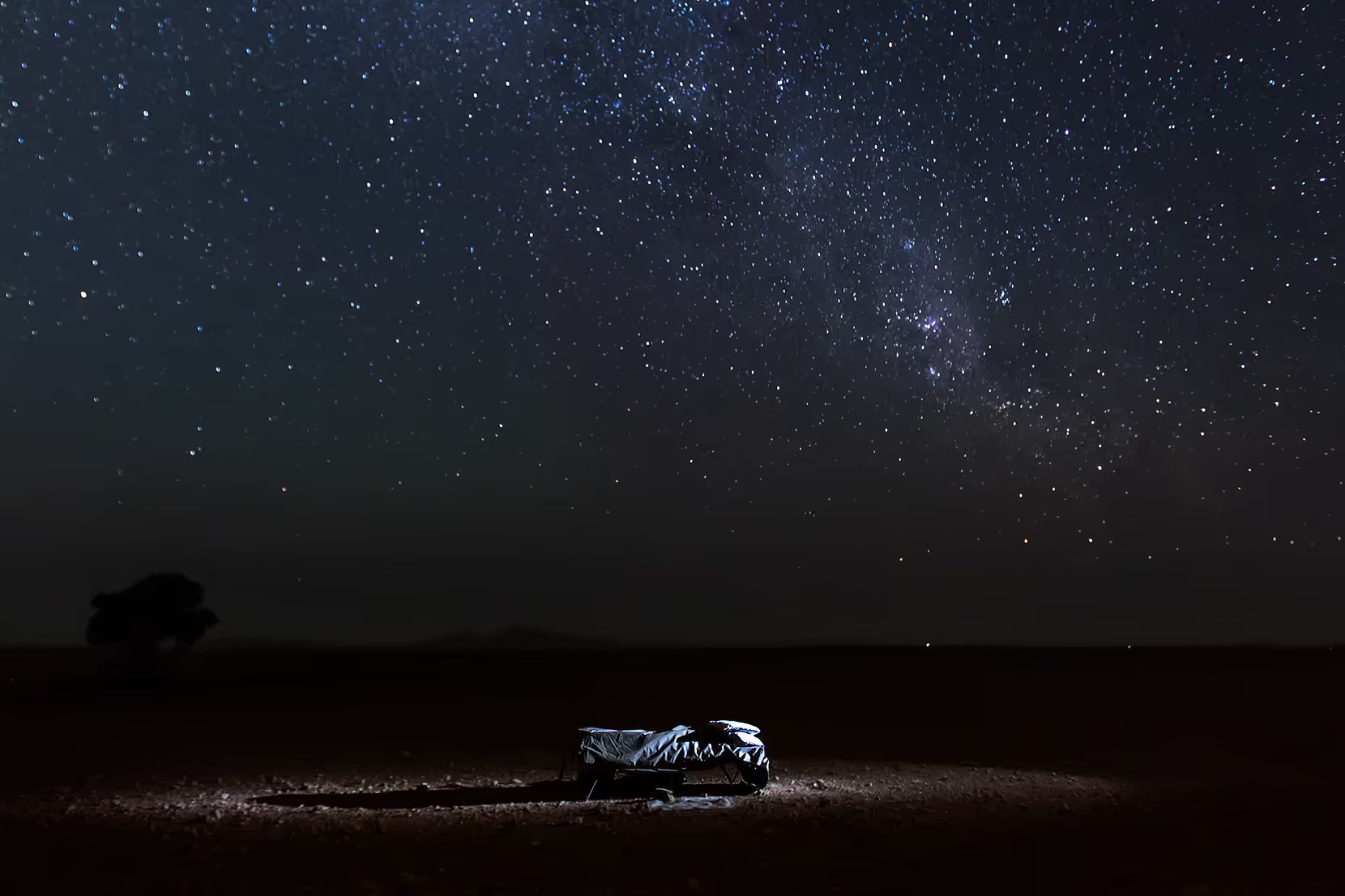
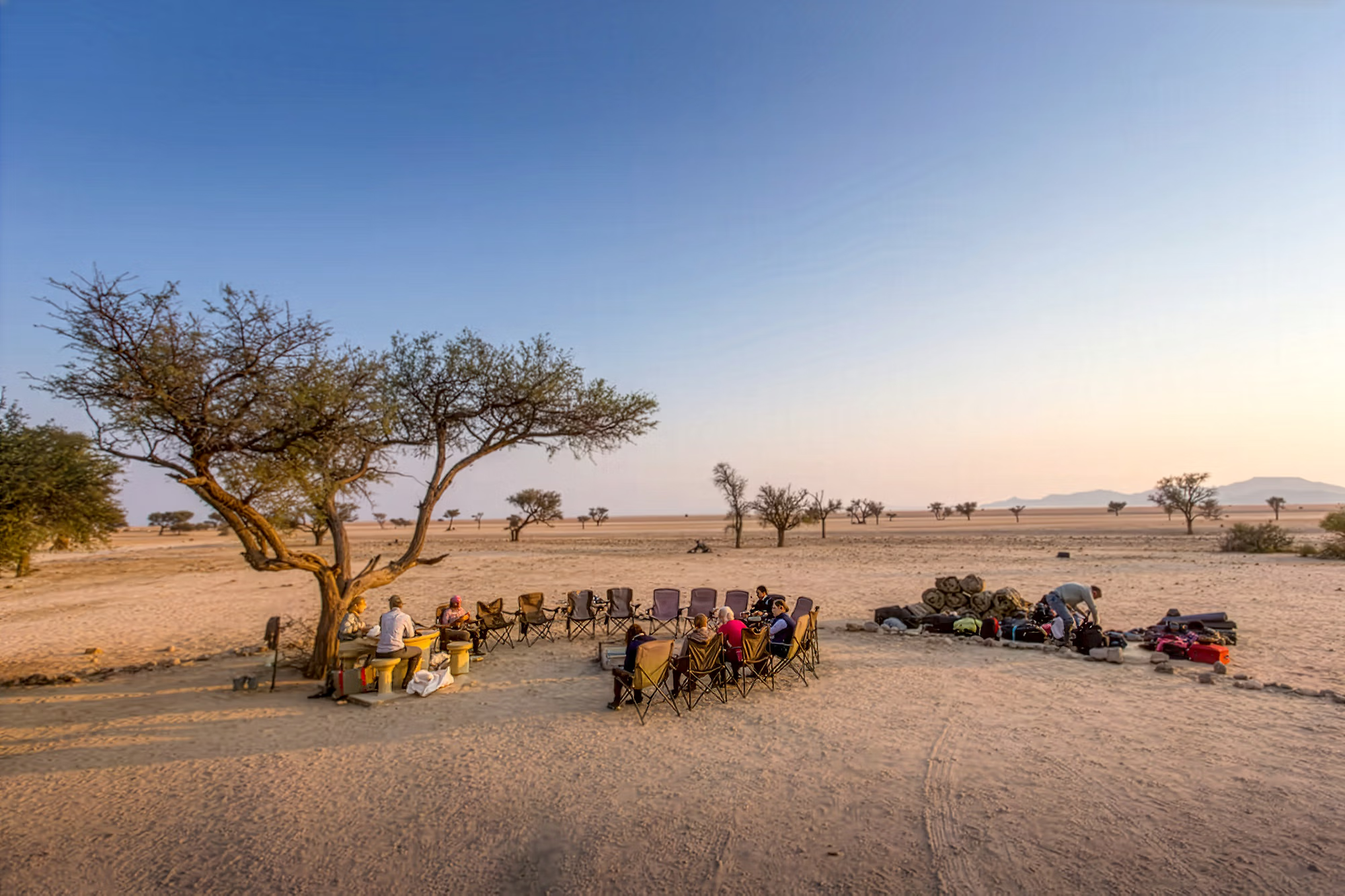
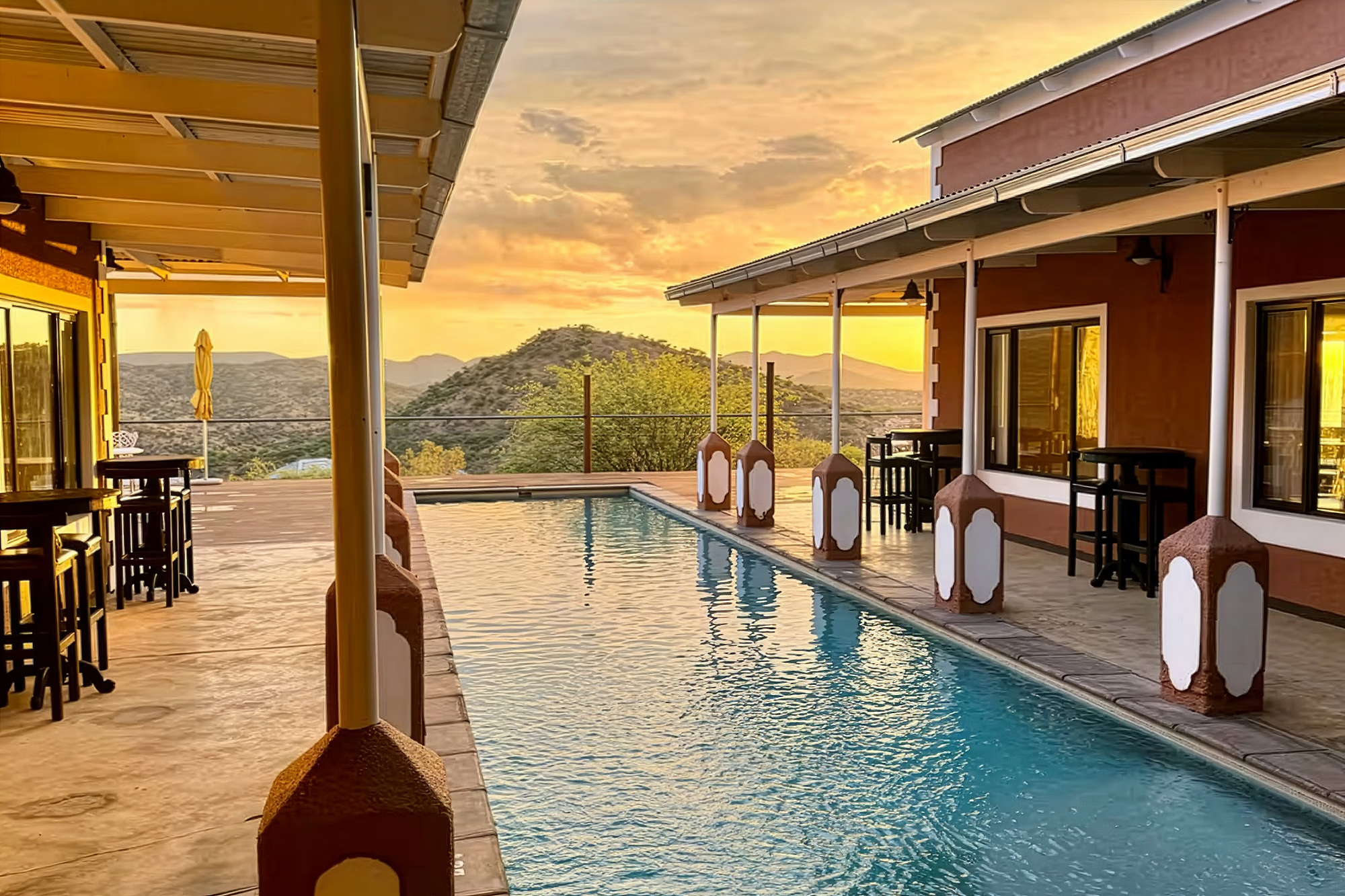
These are mobile safaris with lodge stays at the start and end. The lodges are luxurious, usually with swimming pools. While on the trail, you'll wild camp on campbeds under the stars (or in dome tents if you prefer). Bed is a roll consisting of a waterproof canvas cover stuffed with a mattress, duvet, and two pillows. Everyone has their own bed-roll for the duration of the trip and this is rolled out over a campbed (90s style, also known as 'put me up beds' or stretcher beds). There are hot bucket showers available at all camps and three hot meals a day prepared by mobile camp chefs, to keep your energy levels up! There is a fully stocked bar available at each camp for riders to kick back and relax with their favourite tipple.
Come morning, your breakfast could be pancakes, frittata, porridge, or eggs and there is excellent Arabica coffee available as well. Lunch is also a hot, cooked meal as you are met again by the camp chef - this could be a pasta dish or wraps, meat and salads. Dinner, as cooked on the open camp fire, tends to be typically Namibian; think hearty stews, fish or vegetables with a dessert.
The menu is suitable for vegetarians but it is important to inform us of dietary requirements when booking – we will endeavour to accommodate your needs but please keep in mind that you will be in extremely remote areas making it difficult to cater to some complex dietary issues. Tea, coffee and juice are always available in camp with chilled drinks, beer, wine etc available in the evenings.
Namibia Desert Crossing
Booking Conditions
See the full booking conditions specific to this trail here.Do not book your flights until you have received your booking confirmation email from SaddleTravel.com.
Flight and transfer information
- Arrival airport: Hosea Kutako International Airport, Windhoek (WDH)
- Arrival time: Before 18:00 on Day 1
- Departure time: After 15:00 on the final day.
- Transfer arrangements: Airport transfers are included.
Single room supplement: £250 if you are not willing to share on the first and last nights.