African Explorer

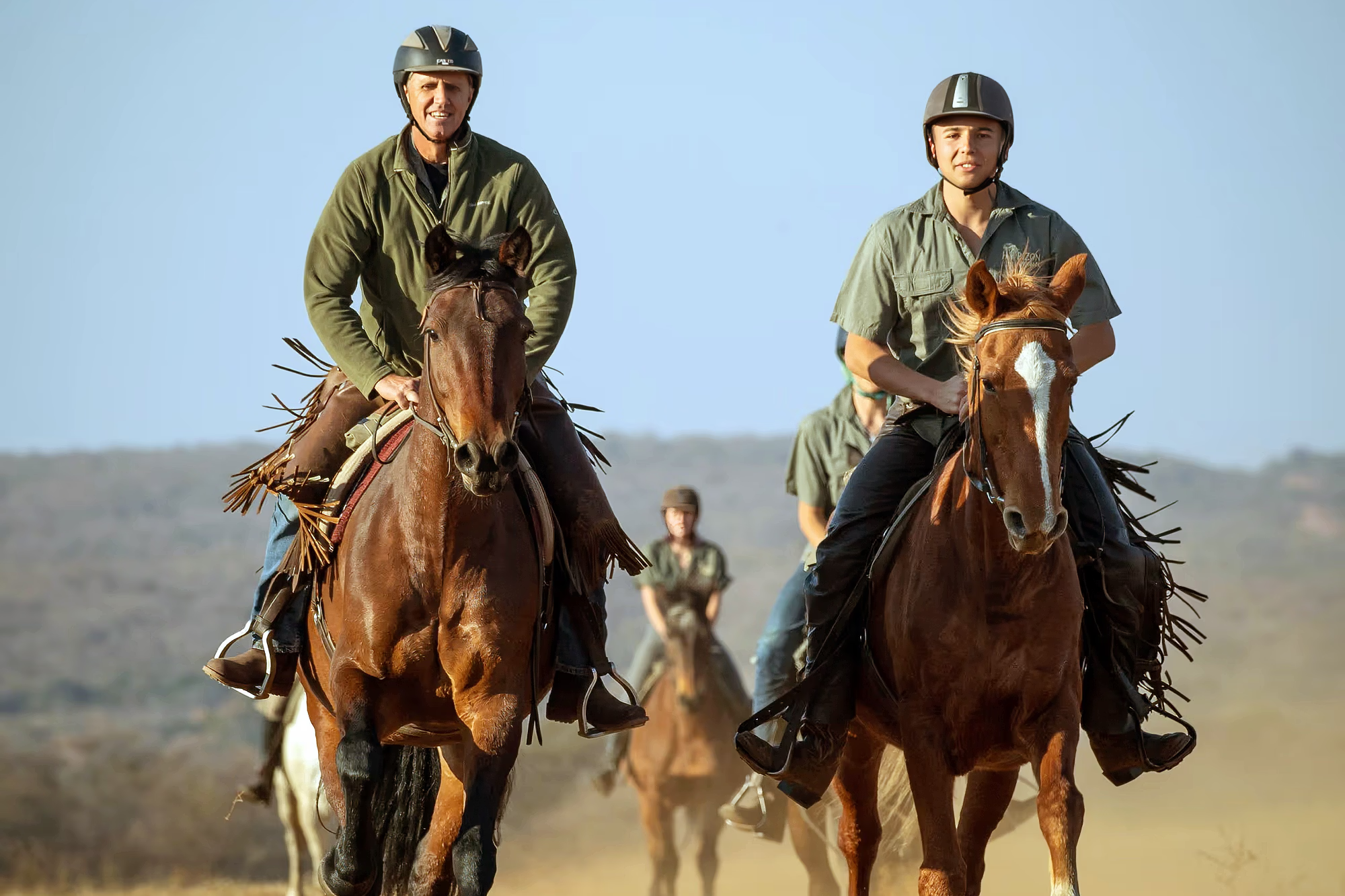
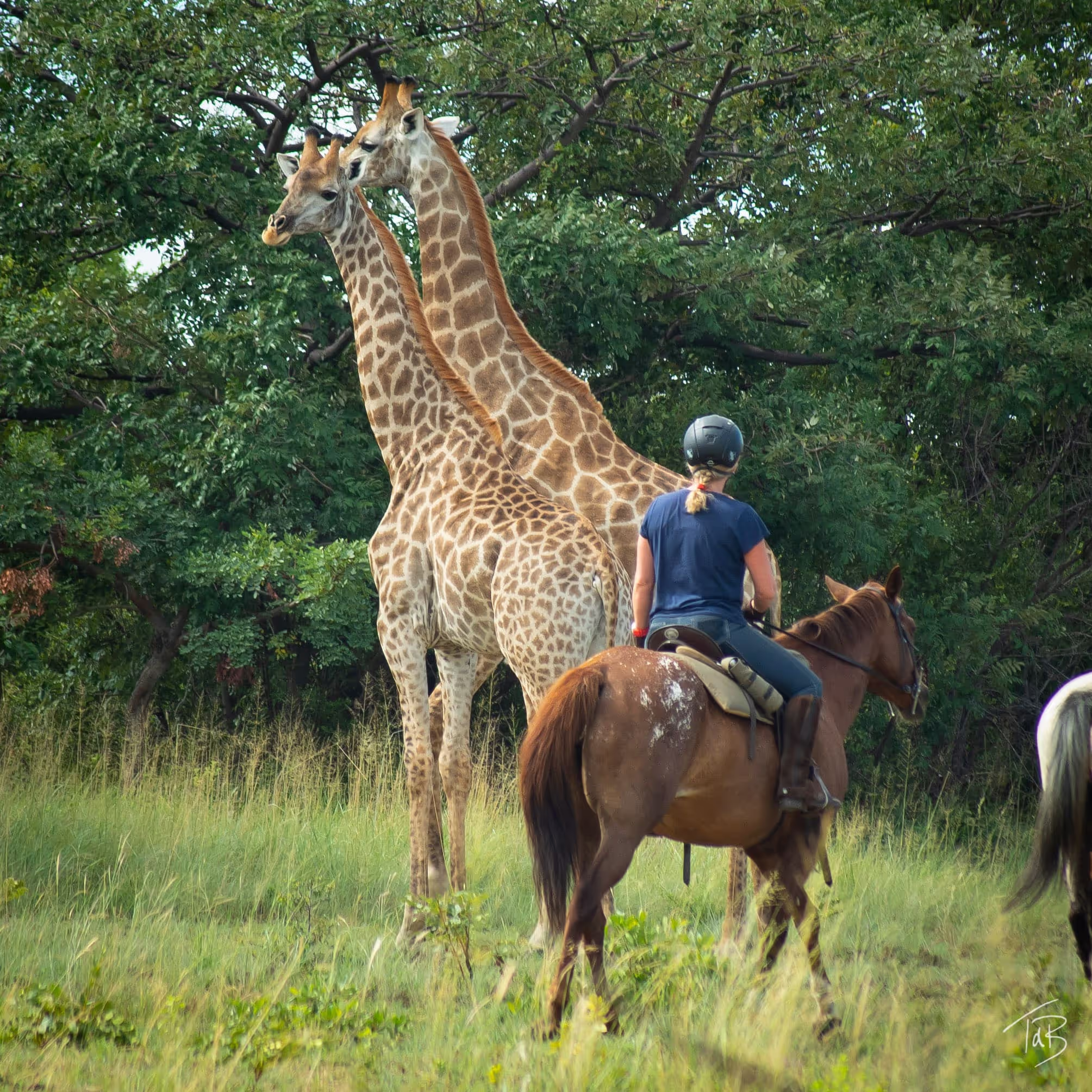
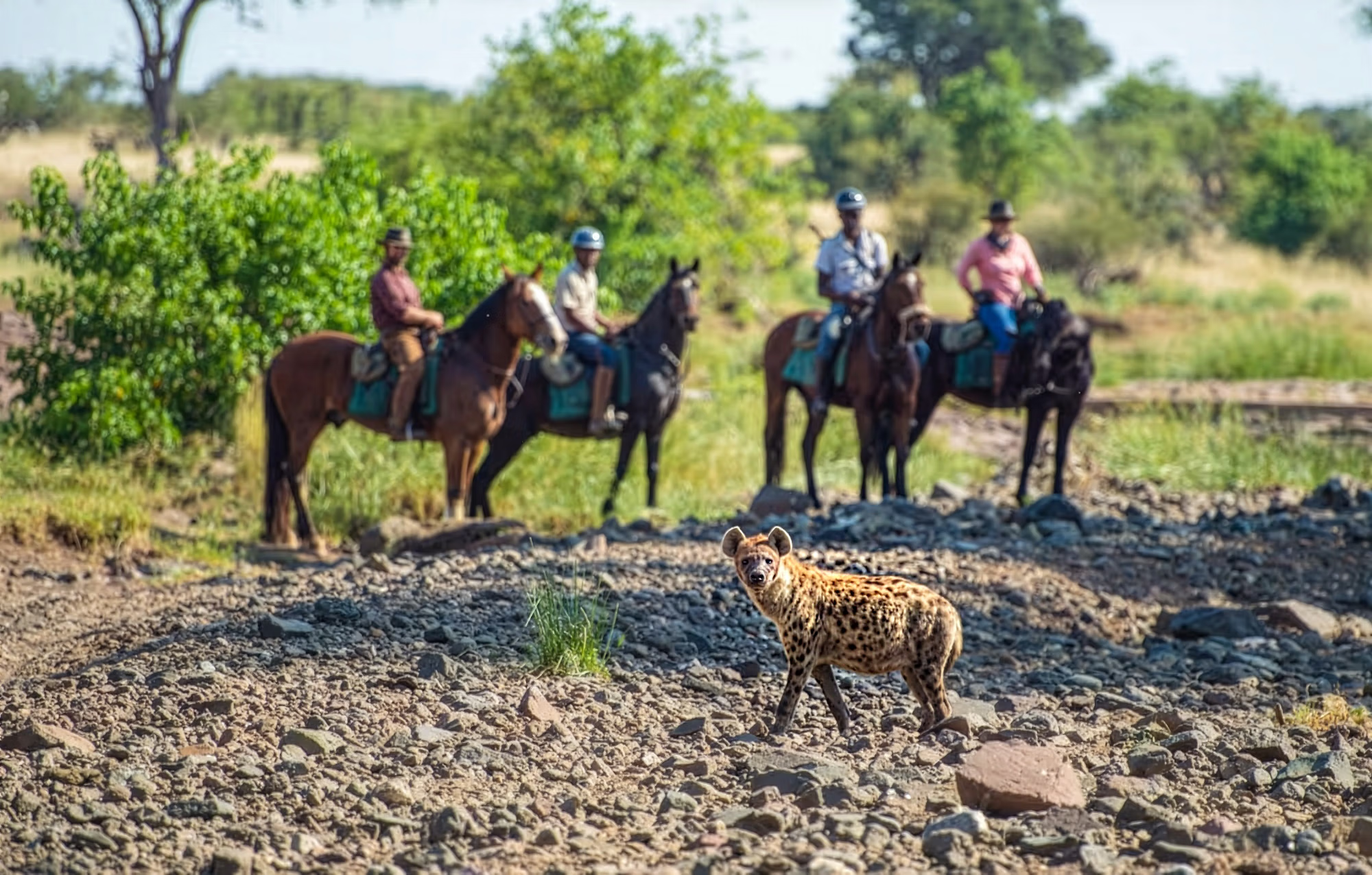
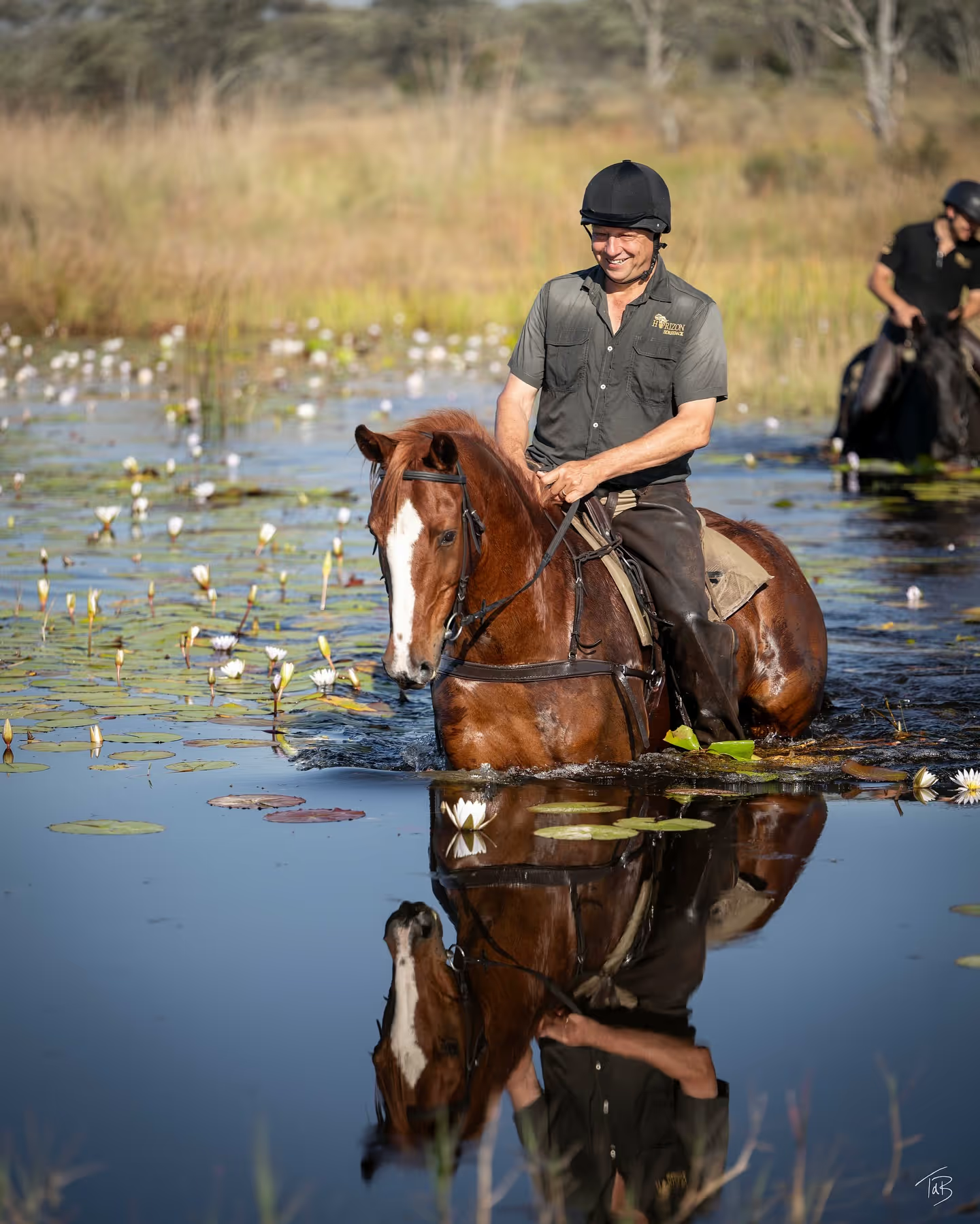
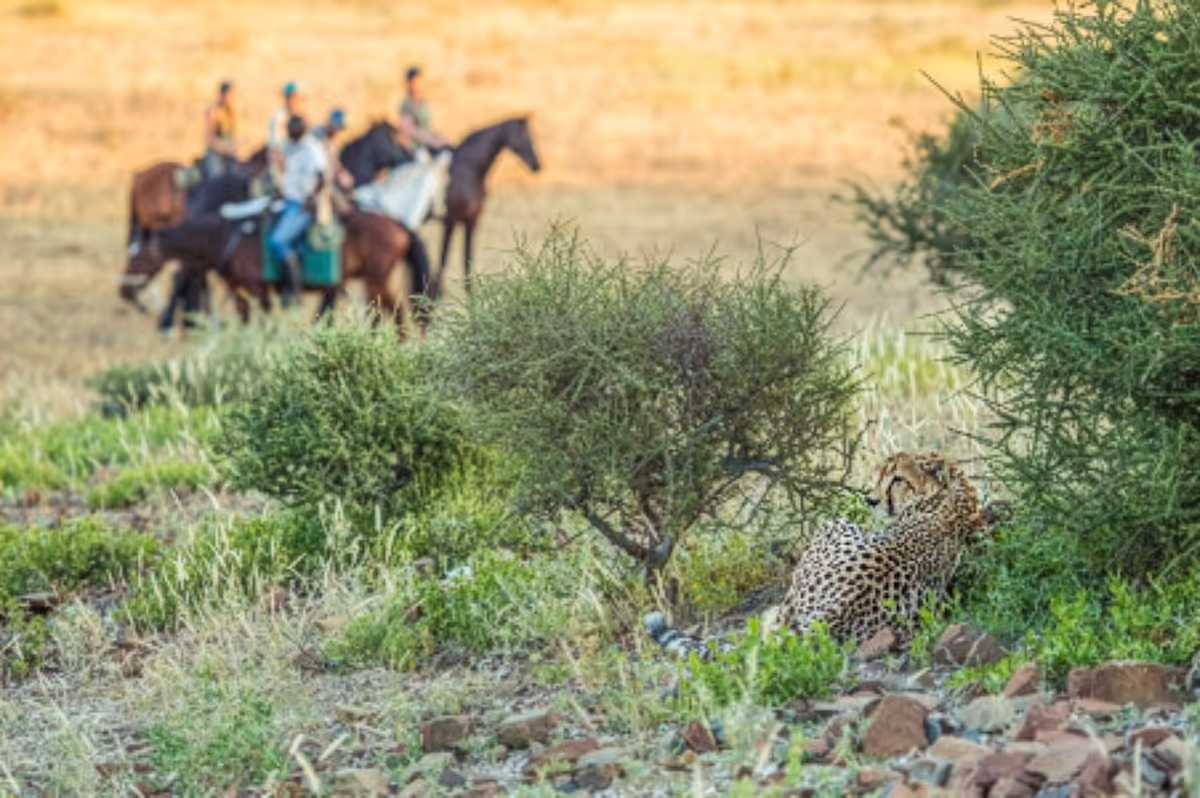
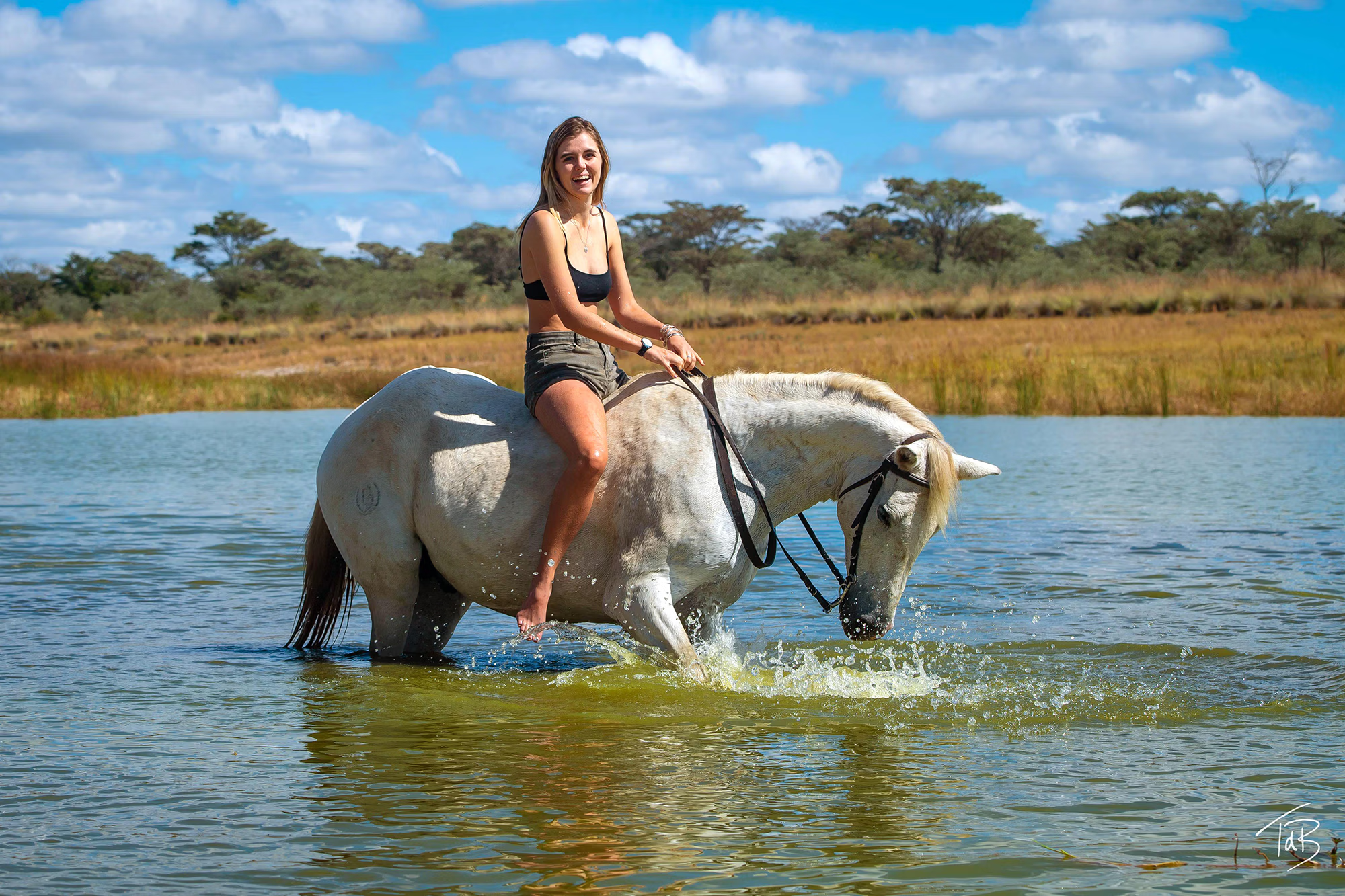
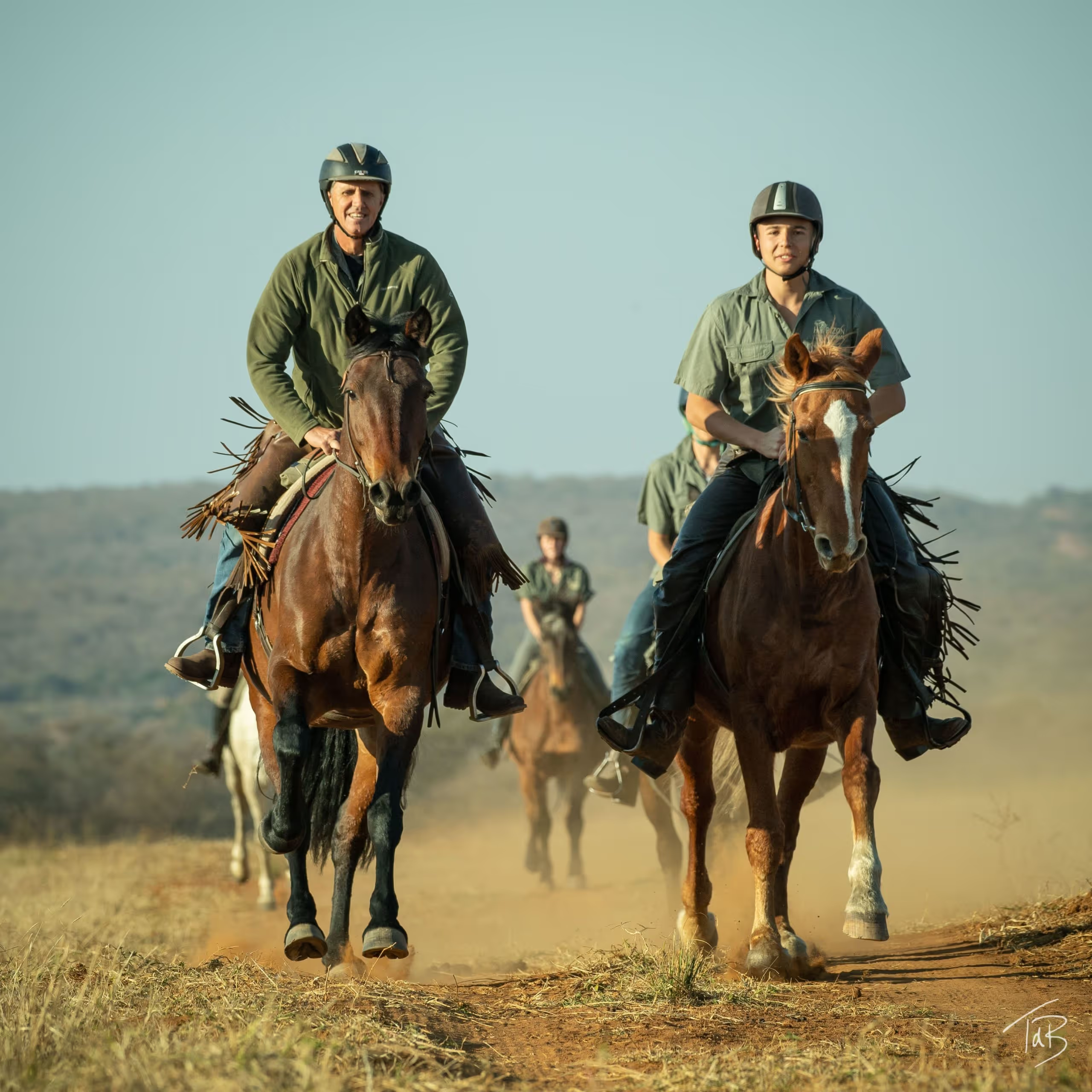
Spend eight days riding across game rich plains, wetlands and mountain landscapes in South Africa, before heading to Botswana, where you'll explore the Limpopo River floodplains and ride into the heart of the Mashatu Reserve. The African Explorer has earned a global reputation as one of the most accessible and varied riding experiences in Africa. The first few days in South Africa will get you accustomed to the tack and terrain before you head off to Botswana to ride amongst elephants, hyenas and possibly a big cat or two! For those that want to, you can swim with your horse and jump some natural obstacles.
The best time of year to go is so subjective, with each season bringing its own highlights. If you love the heat then September- March are ideal or aim for April to August if you prefer cooler weather. With the heat comes increased chance of rain, but also gorgeous, lush vegetation and plenty of shade and lots of baby animals from November onwards. The coolest months of May-July are excellent riding weather but can be very cold at night in South Africa. Reduced vegetation in the dry winters can make for amazing game viewing. Lots of pros and cons! In the areas that this safari operates in, both South Africa and Botswana, have resident wildlife i.e. the wildlife does not migrate in and out and so superb game viewing does not depend on the time of year or a particular season’s rainfall pattern.
- Visit two countries on one safari
- Ride with the Big Five: elephants, lions, cheetahs & leopards
- Six full days in the saddle, covering plains, wetlands, mountains and river floodplains
- Extraordinary bush camps and unforgettable sundowners
- Small groups with a max of 8 riders & locally-raised guides who know the bush inside out
- Wildlife sightings year-round
.avif)
itinerary
Day 1
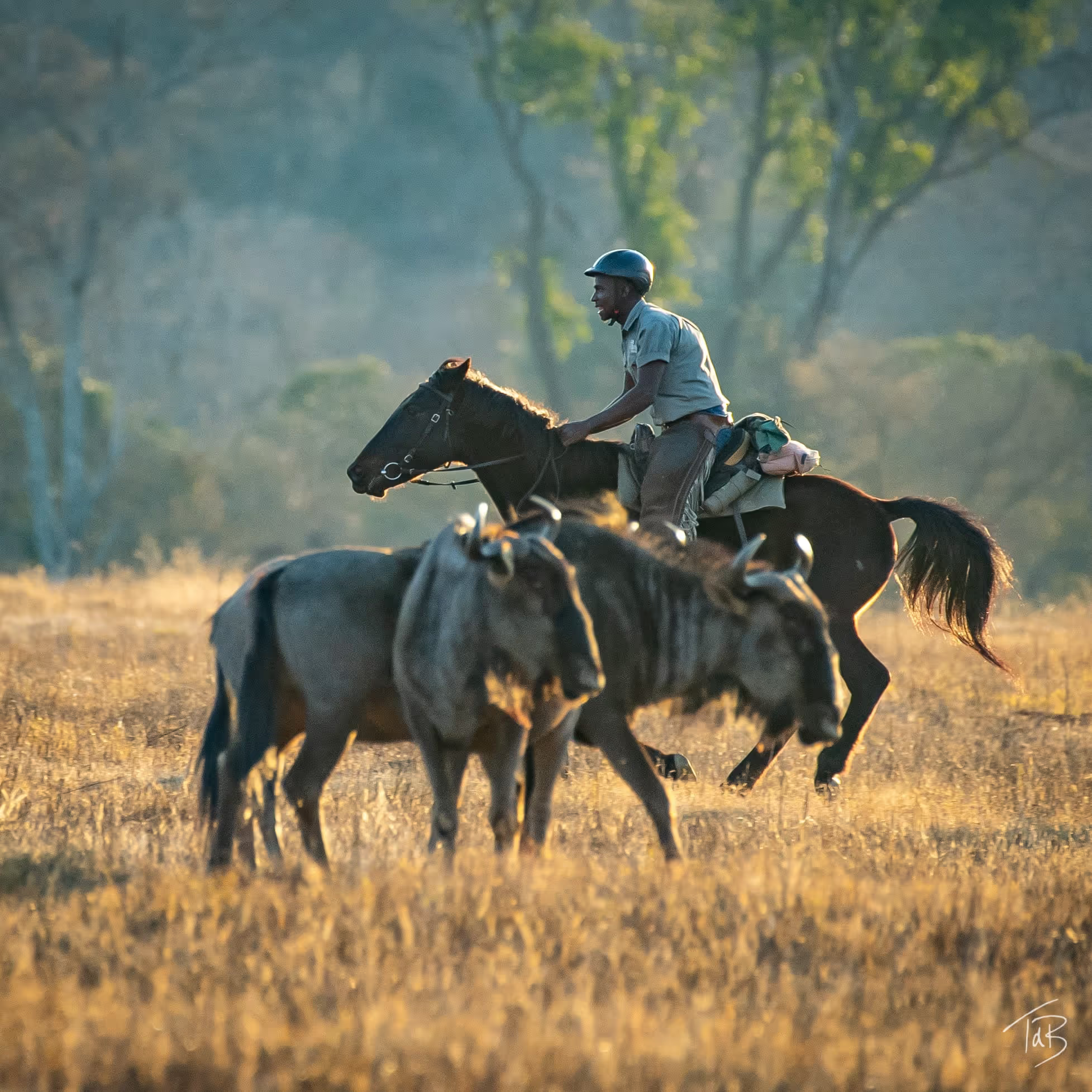
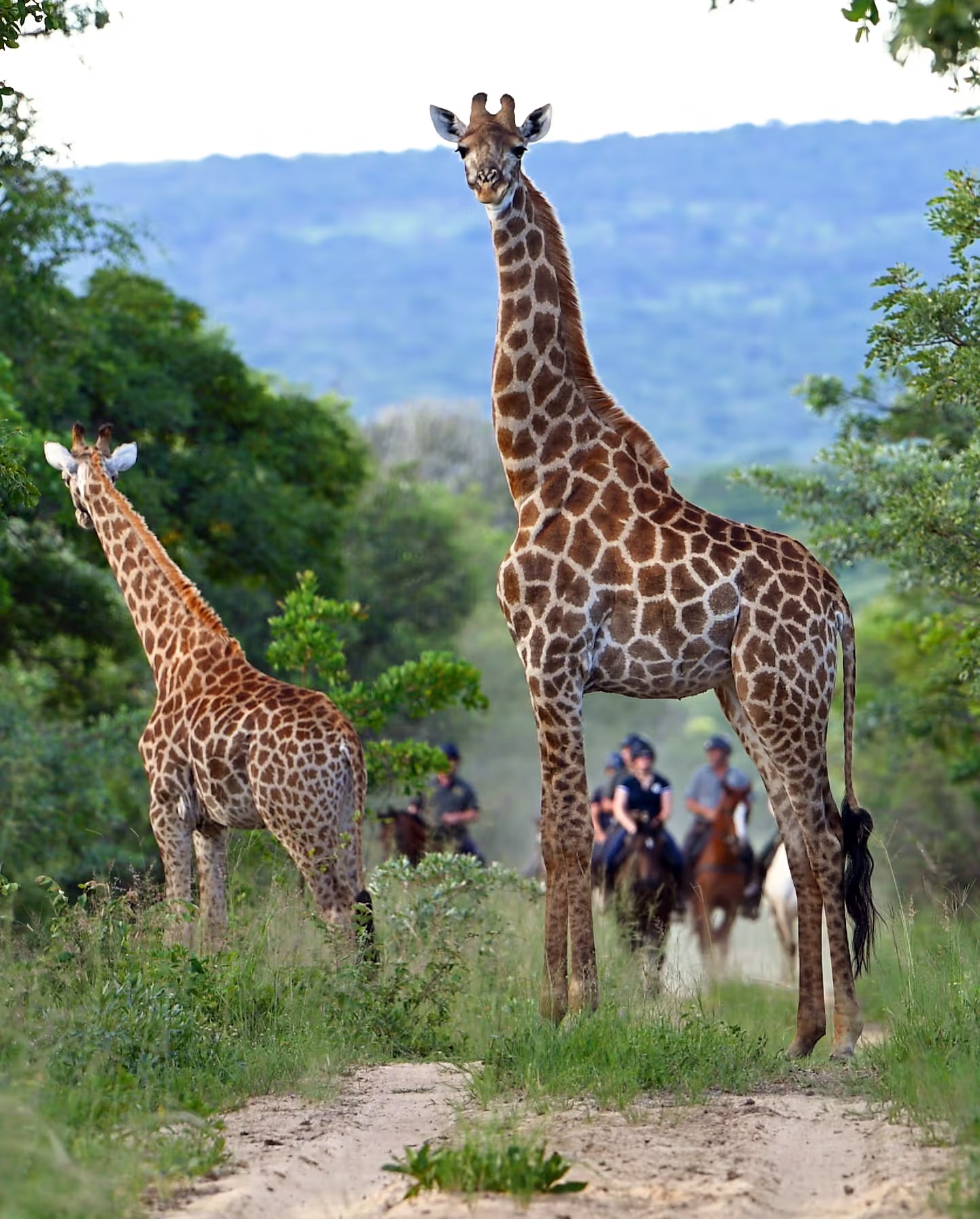
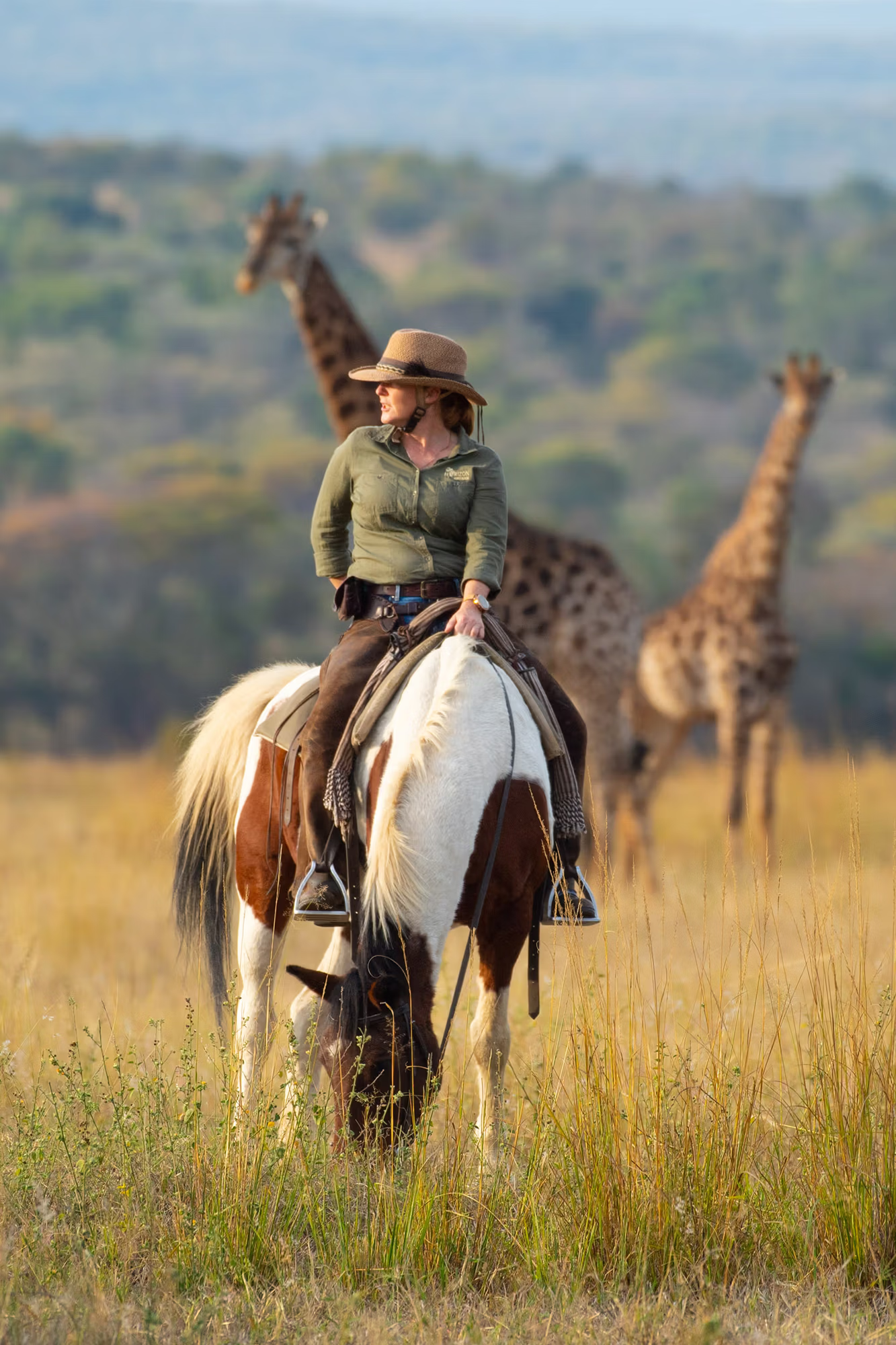
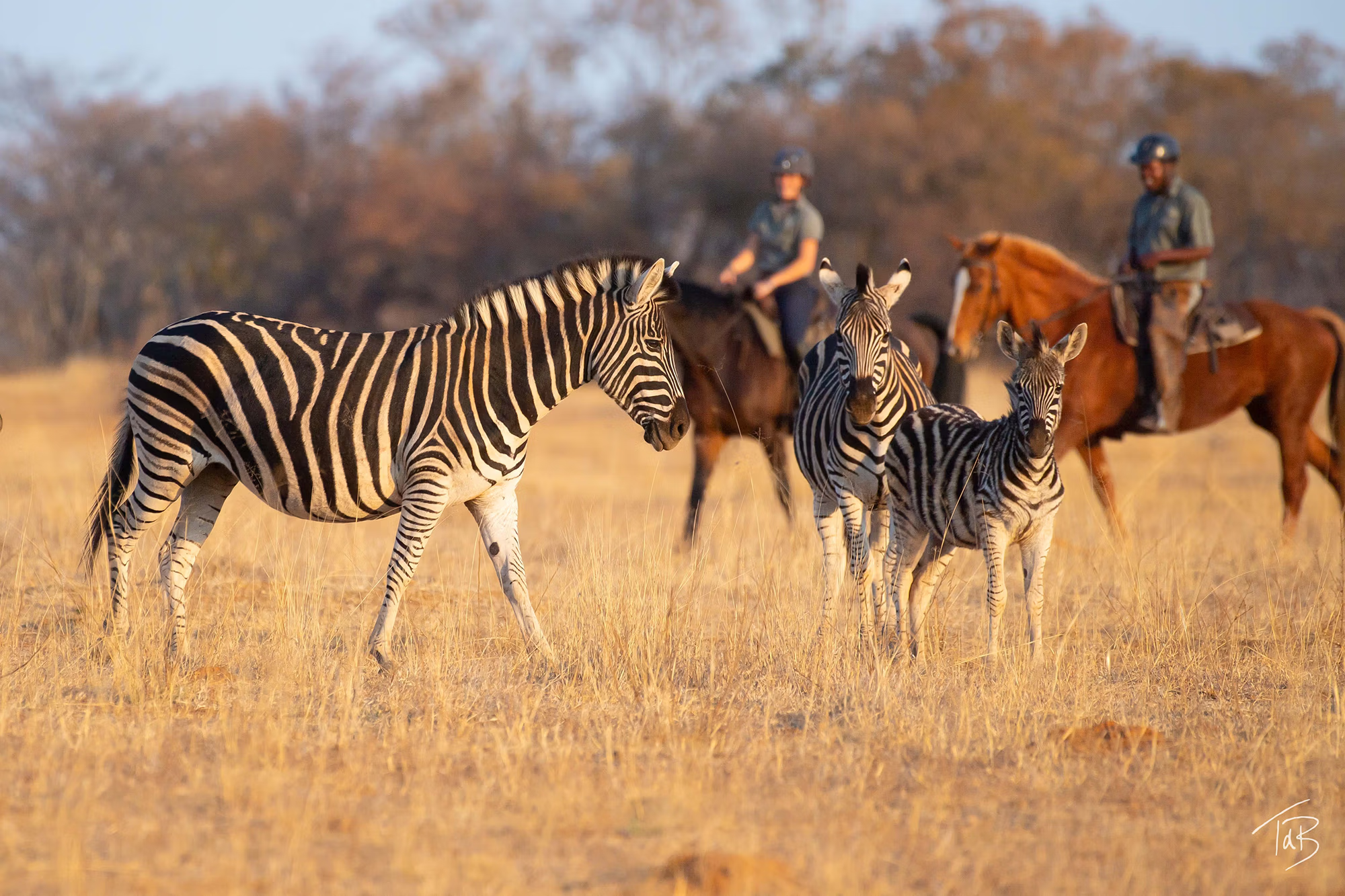
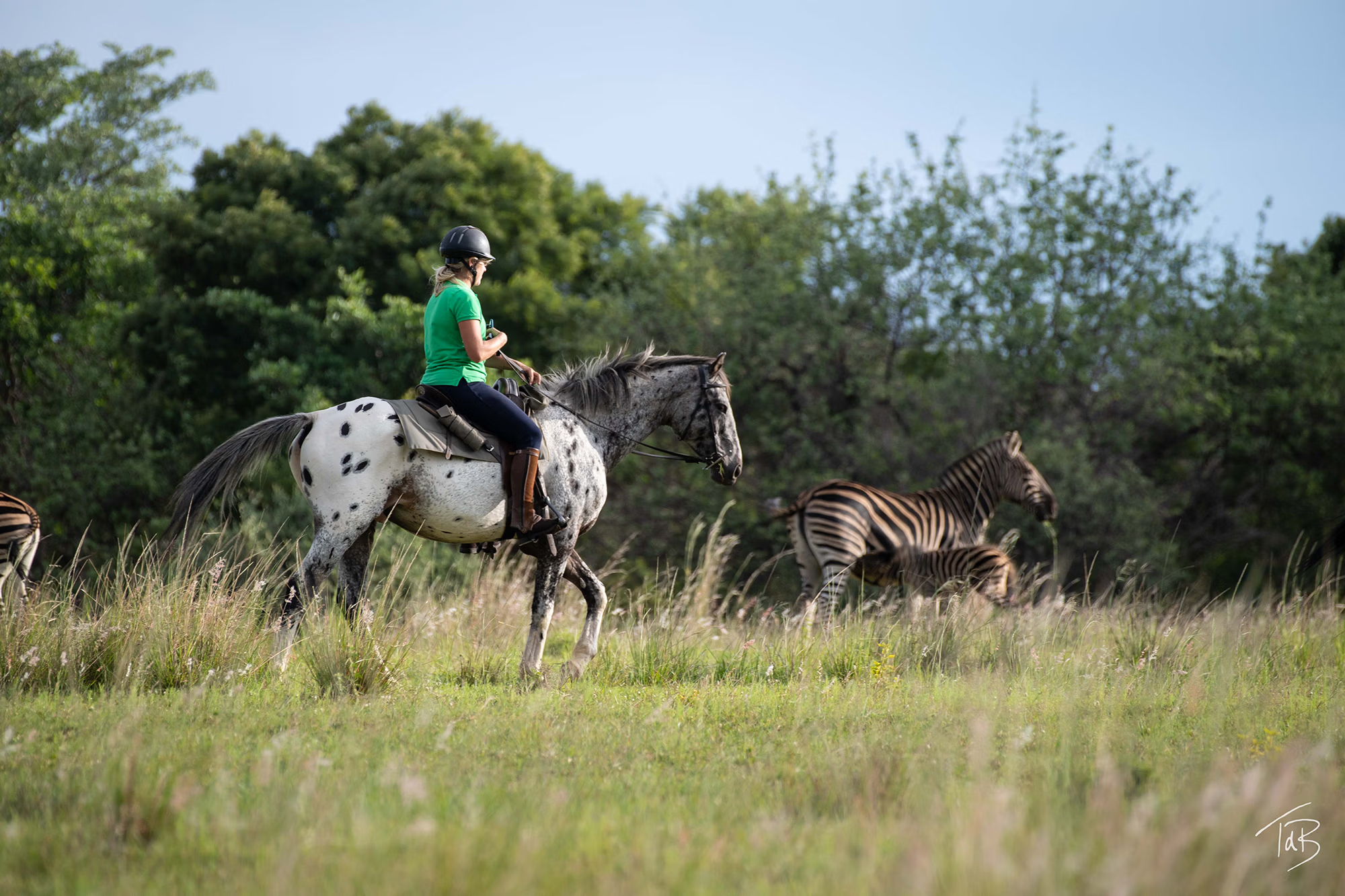
Guests are personally met at OR Tambo Airport in South Africa by Saddlebag Shuttles who provide the transfer services, and transported directly to Camp Davidson in the Waterberg, where they will enjoy a light lunch overlooking the vastness of the Waterberg plateau. They will then receive a safety briefing and meet theirhorses.The first ride is a gentle introduction to the reserve and an excellent opportunity for first encounters with species such as zebra, giraffe, wildebeest and kudu. The riding ranges from purposeful walking to easy cantering along sandy tracks and culminates with sundowner drinks on the open plains.
Day 2
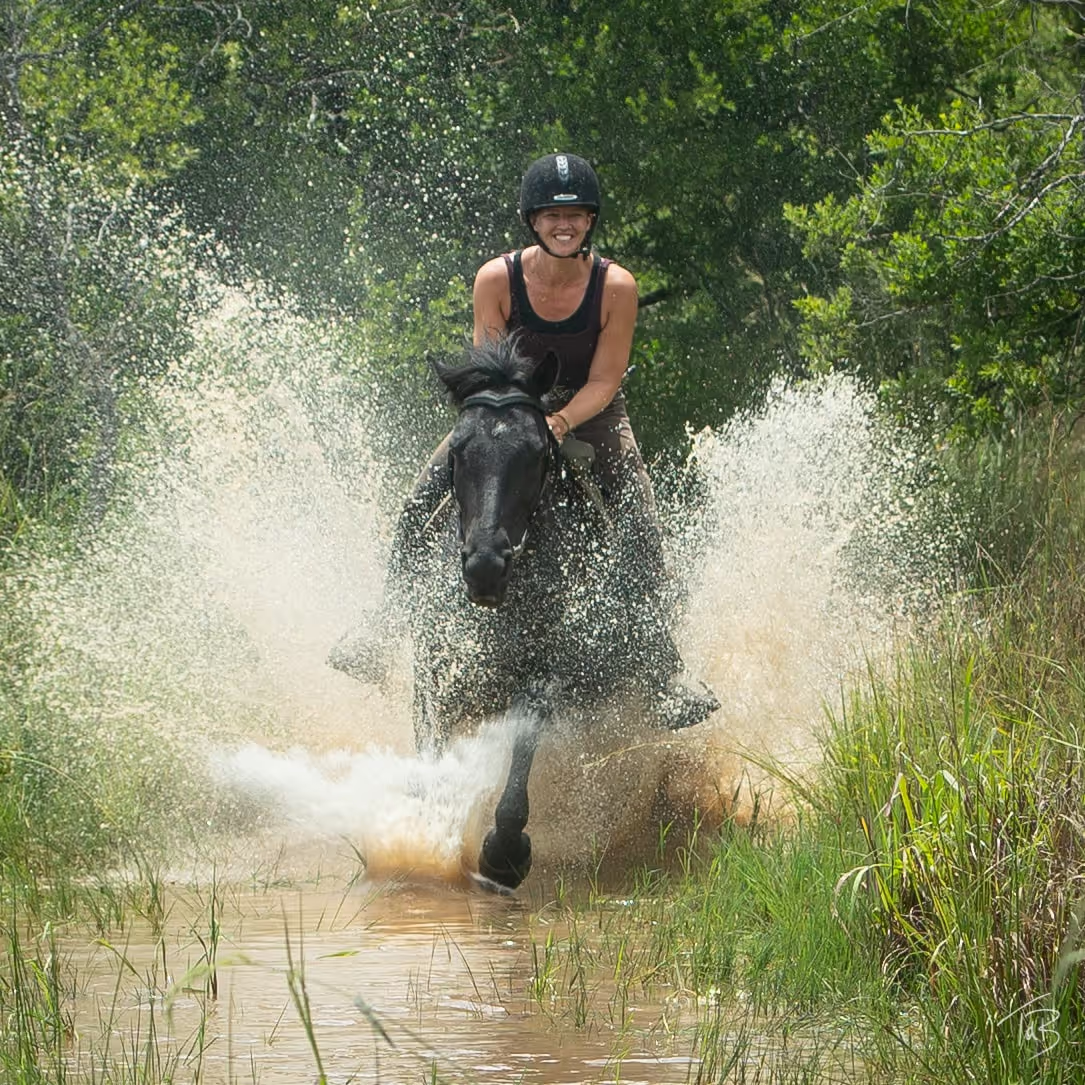
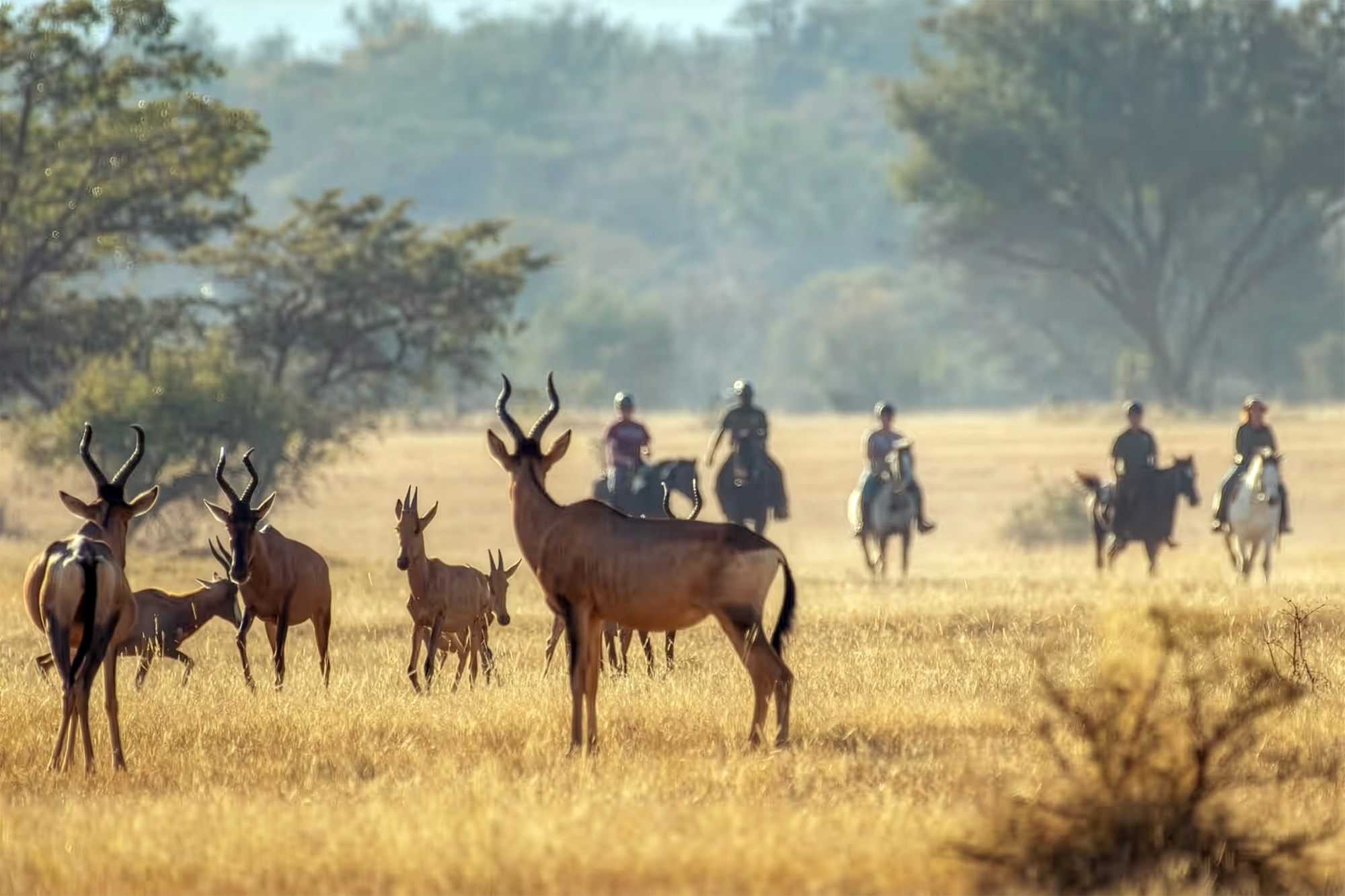
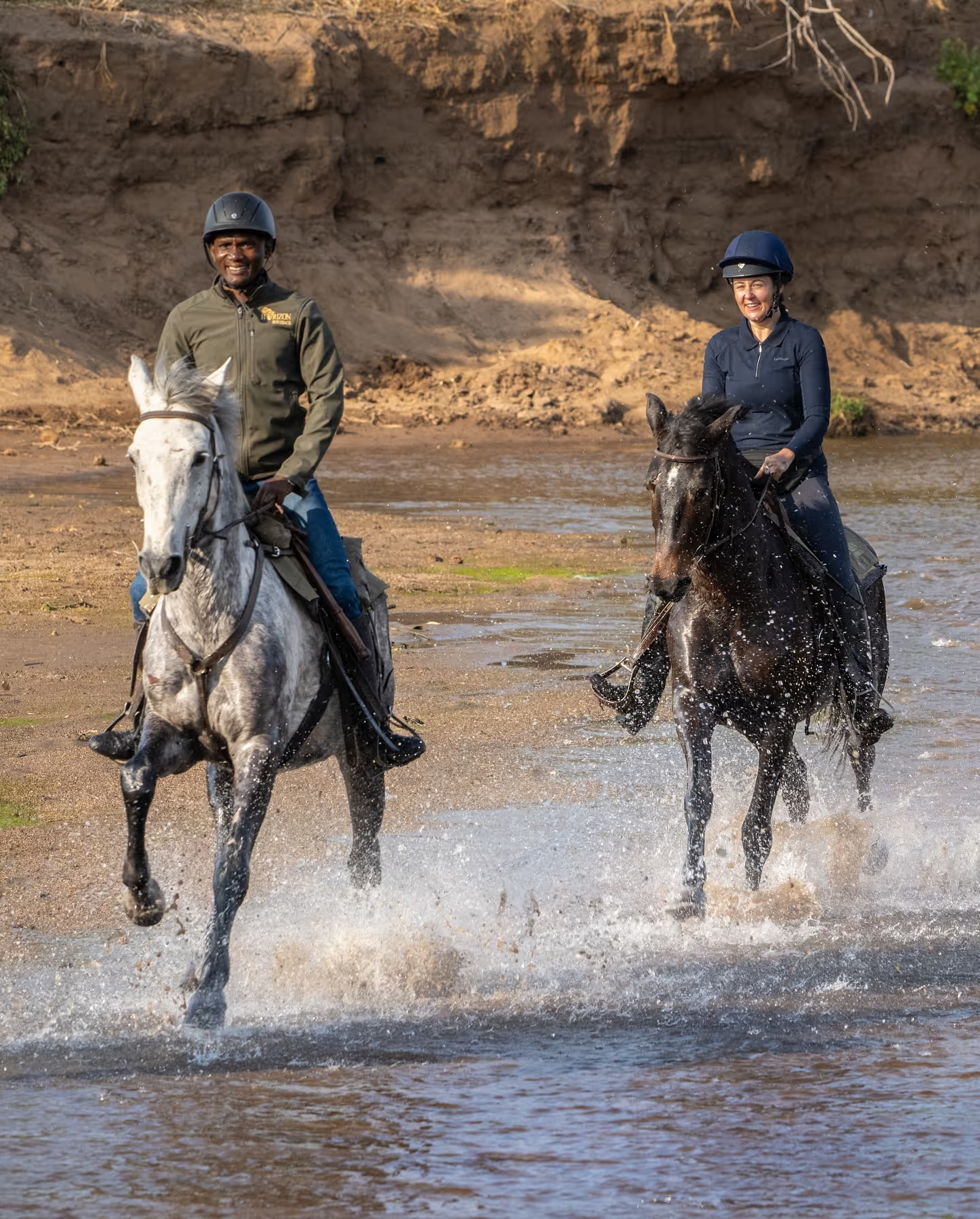
The ride this morning is generally quite fast. The route follows the centre of an open valley which is home to species such as sable, reedbuck, red hartebeest, waterbuck and impala. The sandy tracks make for excellent going, and the route crosses open grassland and weaves through dense woodland.Dark red pedigree cattle bred on the property are often encountered on this route. When conditions are suitable, the last stretch of the ride involves splashy canters along the edge of the lake adjacent to Horizon Lodge. This is a great experience, but don’t expect to remain dry in the process! The afternoon ride follows past a series of dams where encounters with hippo are likely and returns across the open plains. At this time of day there is often much activity on the plains, with the herds mingling in the soft sunlight and different groups coming and going as they prepare for the night. It is a truly magical experience to be able to ride so close to these wild animals, which have become completely relaxed in the presence of the horses.
Day 3
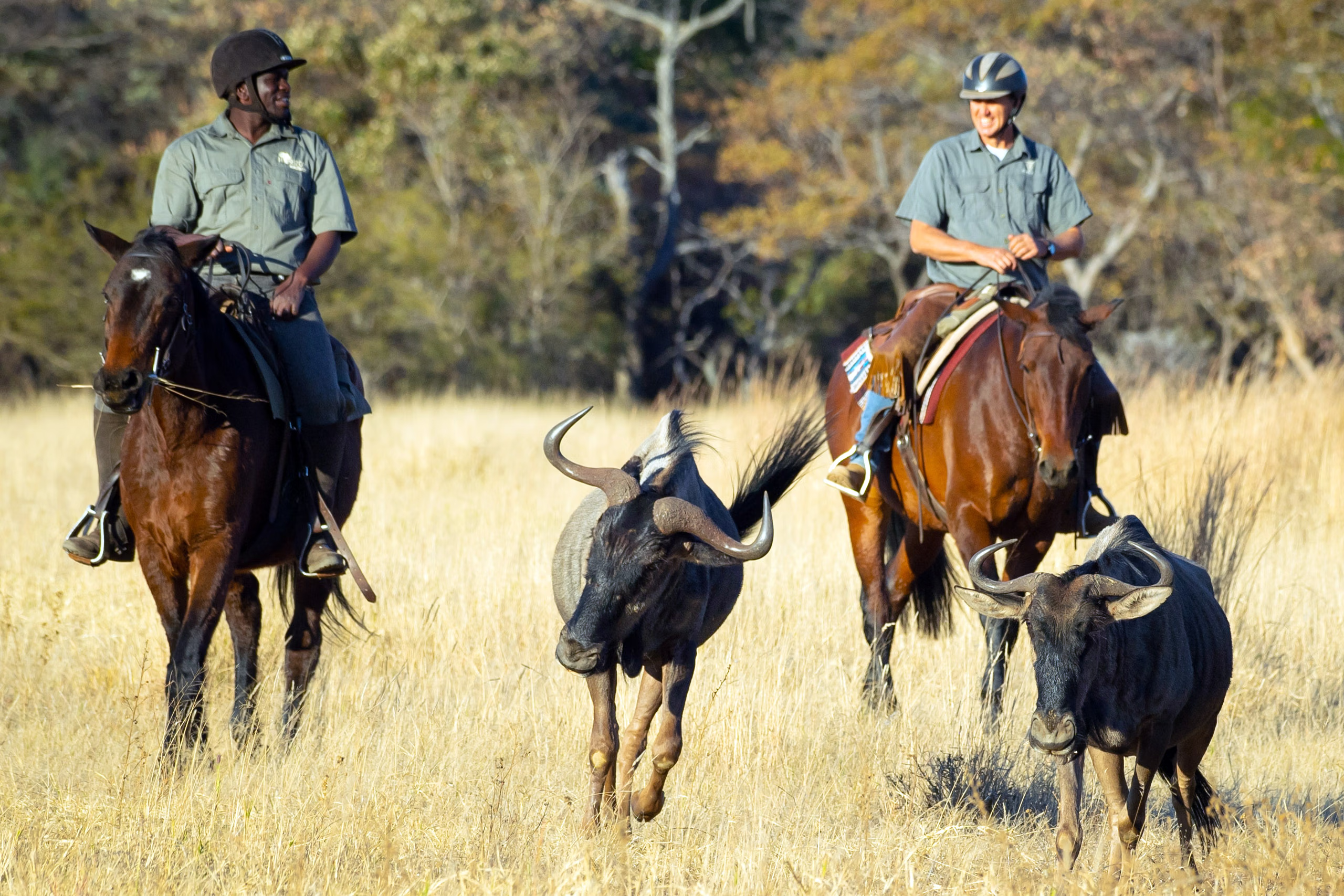
An early start is needed for the long ride from Camp Davidson to either Savannah Lodge in the far southwest of the reserve, or Seringa Lodge in the southeast. The first part of the route covers country that riders will now be somewhat familiar with, but soon enters new terrain. In places the bush is thick but after a while the scenery opens to grasslands with sweeping views to the south and west. Riding through this landscape gives riders a sense of the vastness of the African plains. The area boasts a very high concentration of game with herds ofover 300 blesbuck, or 80 eland, often sighted. Other species which are home to the plains include red hartebeest, tsessebe and ostrich. There are plentiful zebra, wildebeest, impala and giraffe, and smaller groups of sable, roan and waterbuck. The final stretch to Savannah Lodge is along a wooded stream where kudu andbushbuck are likely to be seen.After a relaxing time around the pool and within the sophisticated lodges, it is time to ride to the southern most areas of the reserve in search of Cape buffalo. These are members of Africa’s famous “big five” and deserve their formidable reputation. Riders therefore need to be alert and responsive to the guides’ instructions. Thisarea is known for its spectacular sunsets as the sun sets over the distant headlands of the Waterberg escarpment – a fitting end to an eventful and memorable day in the African wilderness.
Day 4
A morning ride from the lodge in search of buffalo before returning to the lodge for lunch and a chance to relax and enjoy this beautiful setting before riding back up to Camp Davidson for a final night in South Africa.
Day 5
An early ride down from Camp Davidson to Horizon Lodge where there's time to quickly freshen up before jumping into the vehicle for the transfer to Botswana, which aims to depart at 9am. You'll arrive at Mashatu in time for lunch before changing into your riding clothes and heading out on your first afternoon ride to experience your new horses before arriving at the newly built Tree camp.
Day 6
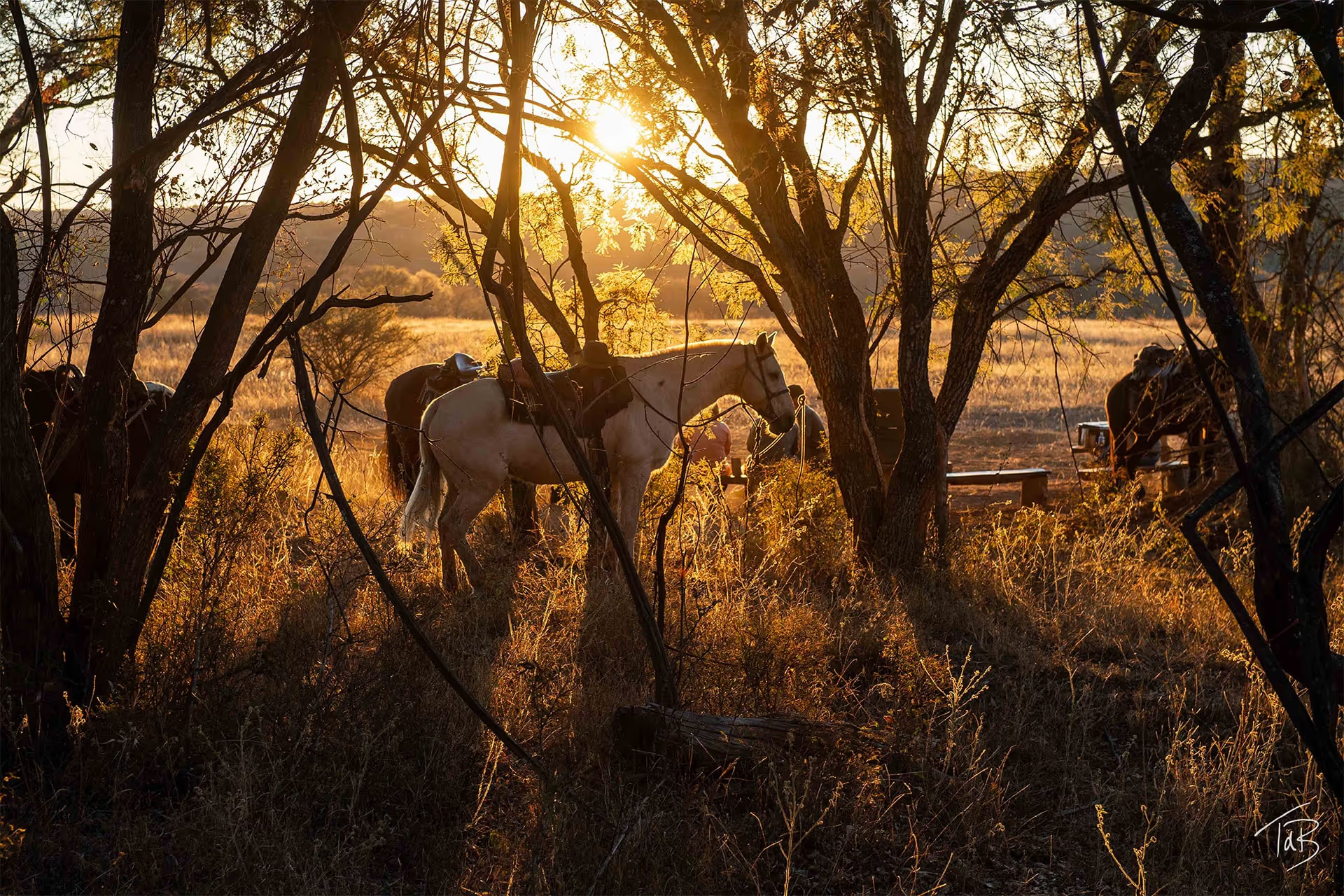
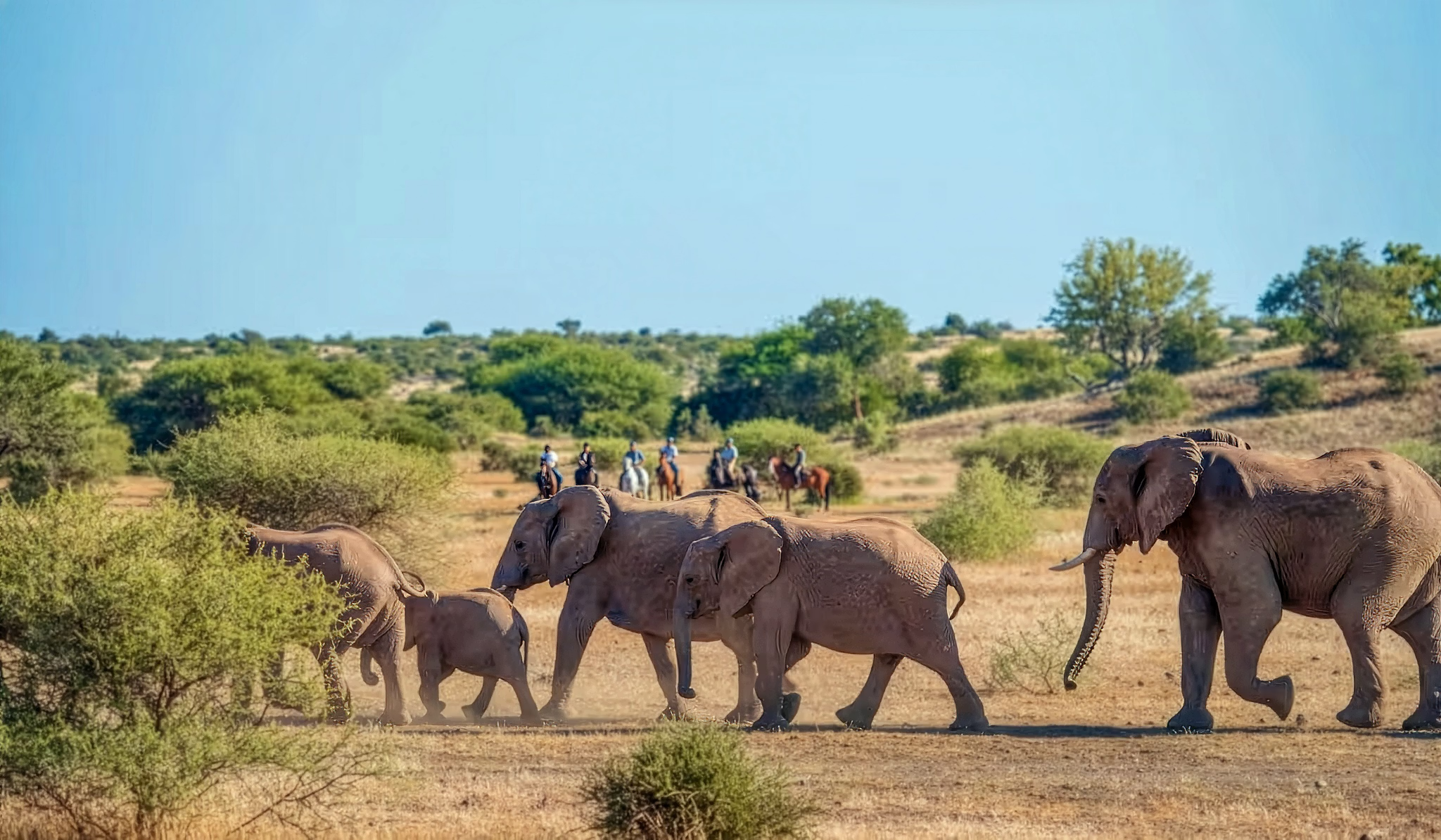
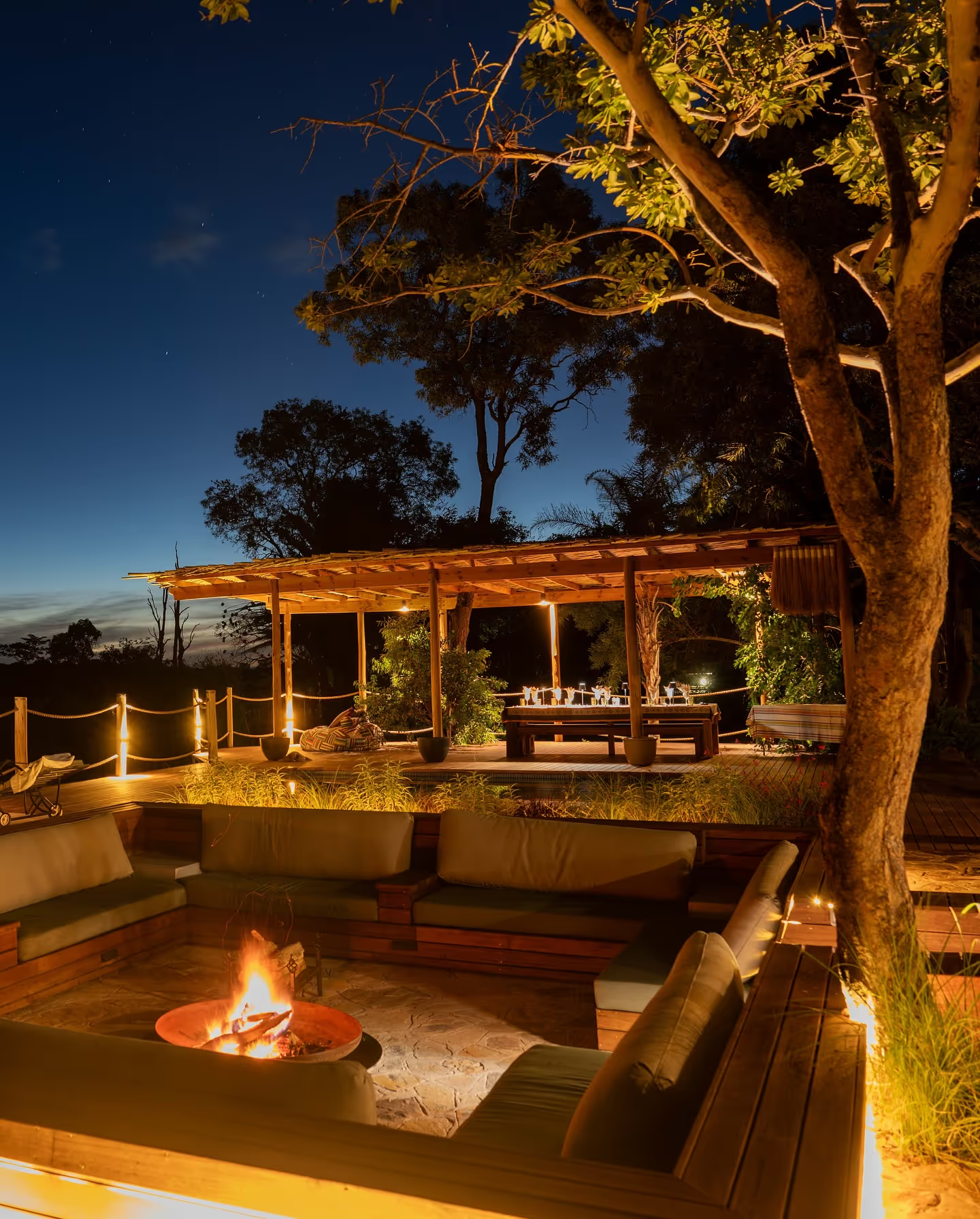
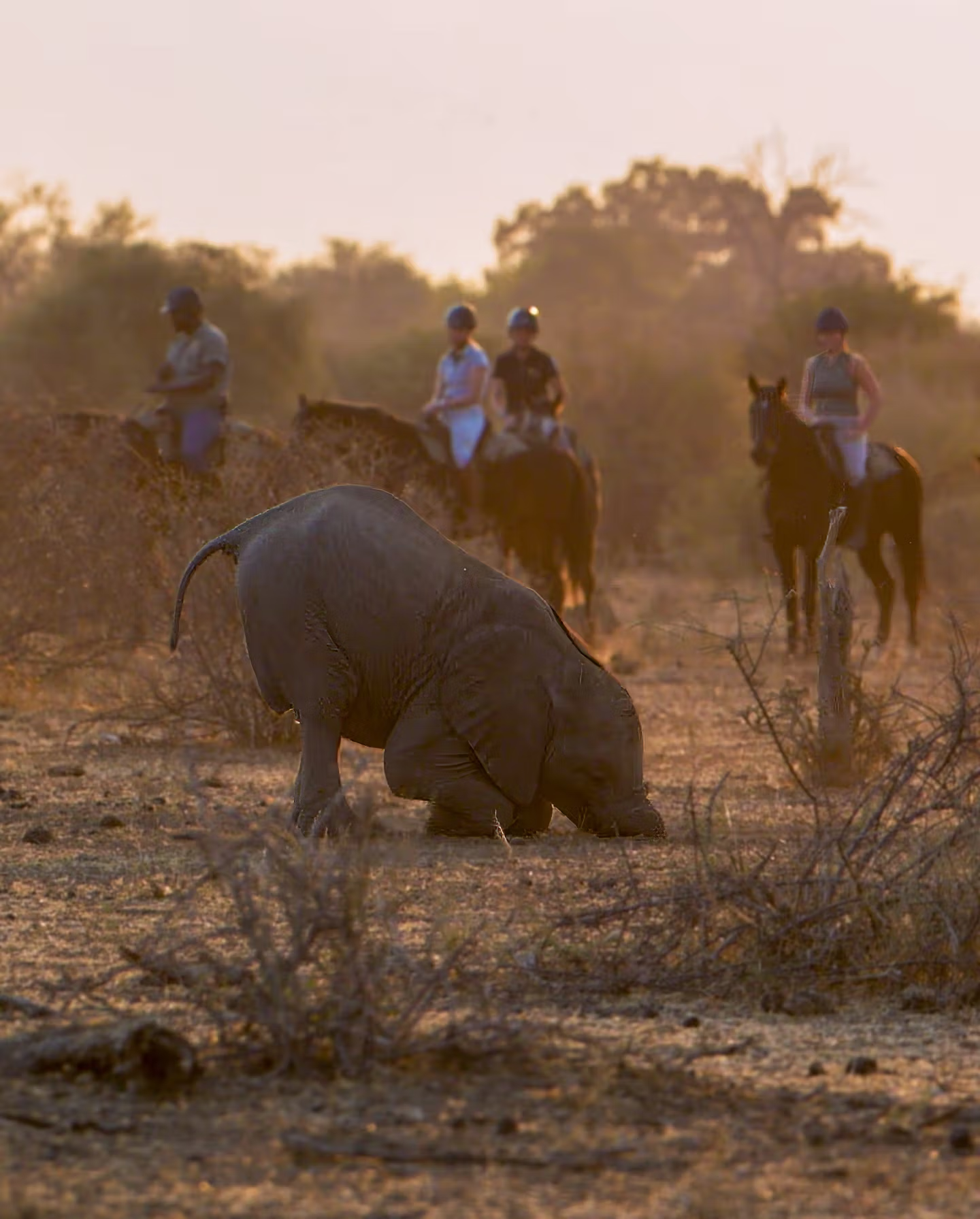
An early wake up call with tea/coffee brought to your tent followed by breakfast around the camp fire. You will make an early start each day to enjoy the freshness of the morning and to maximise game viewing opportunities in the hours the wildlife are most active. Undoubtedly you will come across the large herd of elephant for which the Tuli is renowned as well as many different species of antelope, giraffe, zebra, bat eared fox, jackal, hyena and possibly even lion, leopard, wild dog and cheetah. Depart Tree Camp and explore the centre of the reserve and game rich Pitsane river area before arriving at Two Mashatus camp in time for lunch and a cooling afternoons rest beside the pool.In the afternoon you can either ride or take a game drive to the south-western side of the reserve, which is an area not reached on horseback during this itinerary. It is an area which is rich in game with a resident pride of lion. The highlight of the drive is a sundowner in the ancient landscape of rock formations of the Mmagwa hills, with vast vistas into the setting sun.
Day 7
Full morning ride from Two Mashatus camp. The afternoon brings the chance to choose between a bush walk, afternoon ride or possibly a game drive with Mashatu looking for cats. Return to Two Mashatu camp for your last night in Africa.
Day 8
After a quick breakfast, riders set off on the final ride of the safari. This ride offers sweeping views to the east and south, bathed in early morning light, as it traverses along the edge of a ridge near the centre of the reserve. The path then descends to a game rich area along the Majali River. The deep river pools are the favourite haunt of baboon and impala. Sooner or later the great herds of elephant come past for their daily drink, to play in the water and enjoy a dust bath. The final part of the ride is across open plains with some fast canters to the Stables. Other notable sightings include Kori Bustard, the largest flying birds in Africa, bat eared foxes and ostrich. Once at the Stables it time for a shower and meal on the banks of the great river, and then a short journey to the Limpopo Valley Airfield for the flight to Johannesburg in South Africa.
Get a free
African Explorer
Mini-brochure PDF
know before you go
It is crucially important for the safety and enjoyment of the whole group that riders wishing to book the African Explorer are at least intermediate riders. While the journey is not an endurance test, it does involve long hours in the saddle and, with the possibility of close encounters with elephant and the big cats in Botswana, riders need to be able to control their mounts gently and confidently. You should be able to mount and dismount unaided. Good riding fitness is expected as you’ll be spending 4-7 hours in the saddle each day.
Before each safari, every rider will take a short riding test to ensure they are competent enough for the safari and fall into the above guideline. The decision of the manager conducting the test is final. Hard hats are mandatory and the weight limit is 85kg.
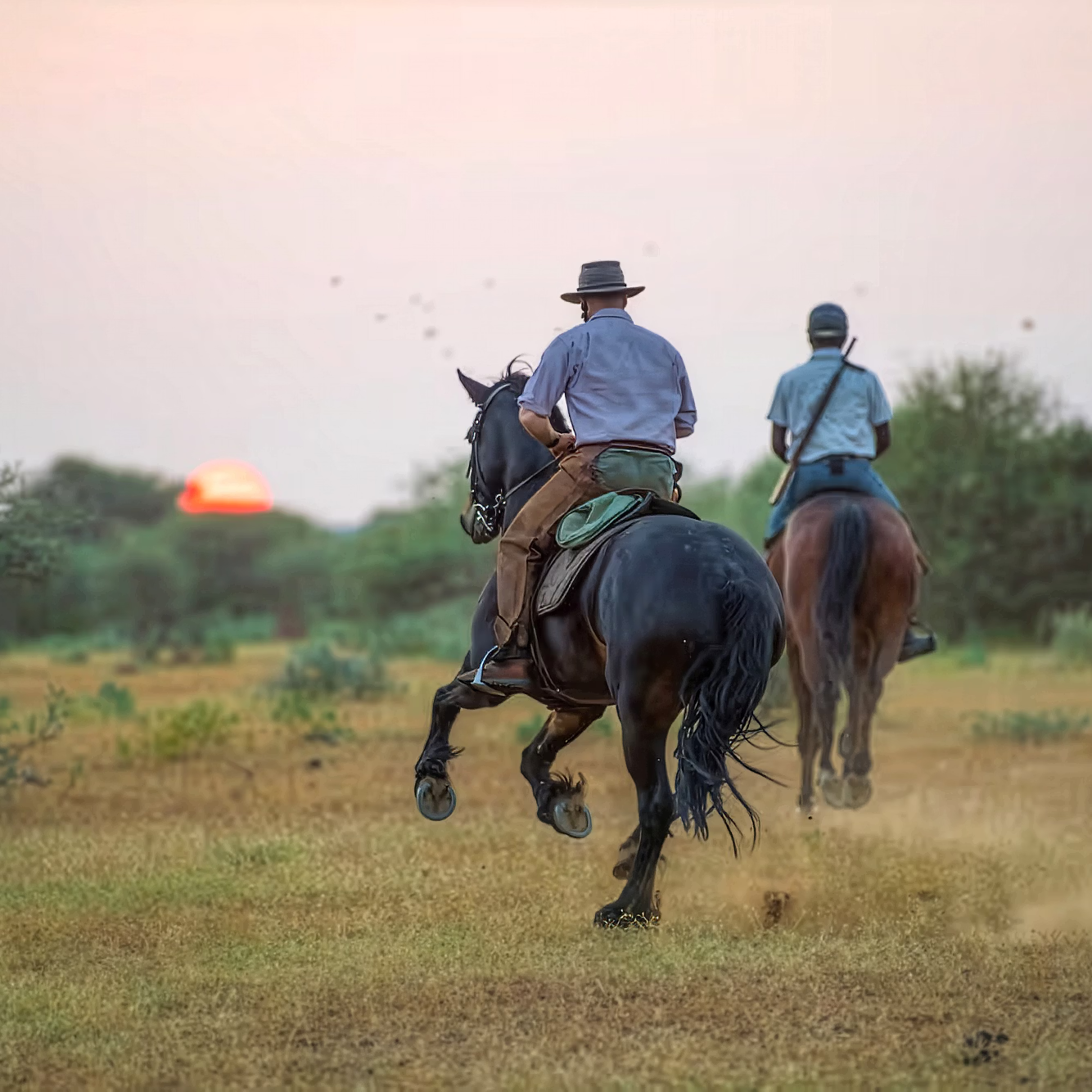
The guides have many years of experience in leading safaris and they have grown up in the area. They know the bush like the back of their hand and are qualified by the Botswanan Qualifications Authority.
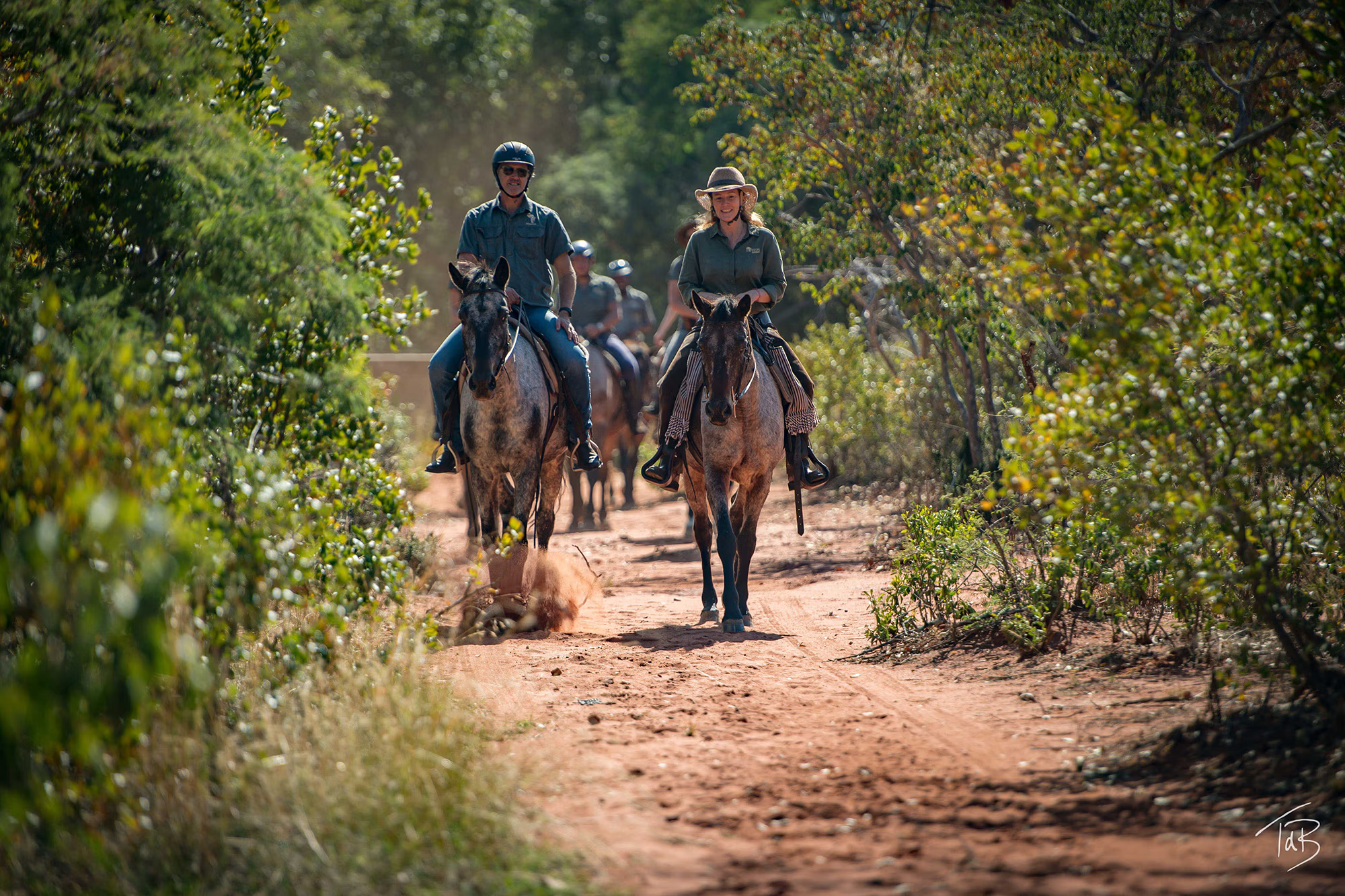
Maximum number of riders in a group is 8.

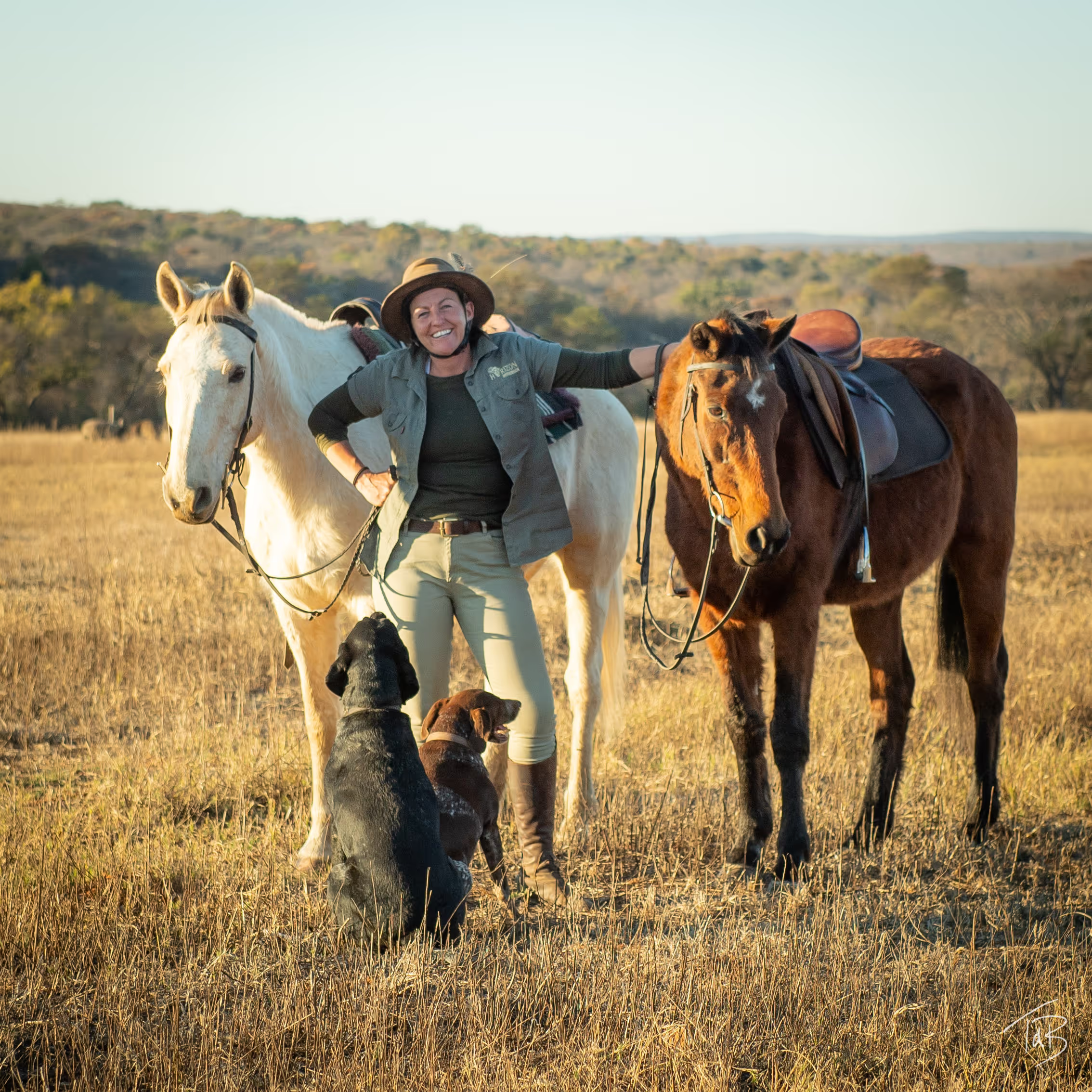
The hosts here take great care to match horse to rider based on a guest’s riding experience and professed ability. The horses are predominantly boerperds, together with a mixture of warmbloods, Appaloosas and Friesians. They are all well schooled, forward going but calm horses. The horses have been carefully chosen for their temperament, courage, endurance and responsiveness.
The saddles used are South African McClellans. They are designed for the cavalry and ideal for long hours of riding. Small saddlebags are provided.

Price includes
- 6 full days of riding
- Shorter rides on arrival and departure days
- Shared accommodation
- All meals
- Drinks
- Bush walks
- Sundowners
- Laundry
- All arrangements for duration of holiday
- Services of guides
Price Excludes
- Flights
- Transfers
- Botswana conservation levy ($20 USD per person per night in Botswana)
- Optional game drive in Botswana approx $75pp)
Accommodation
Camp Davidson (Day 1-3)
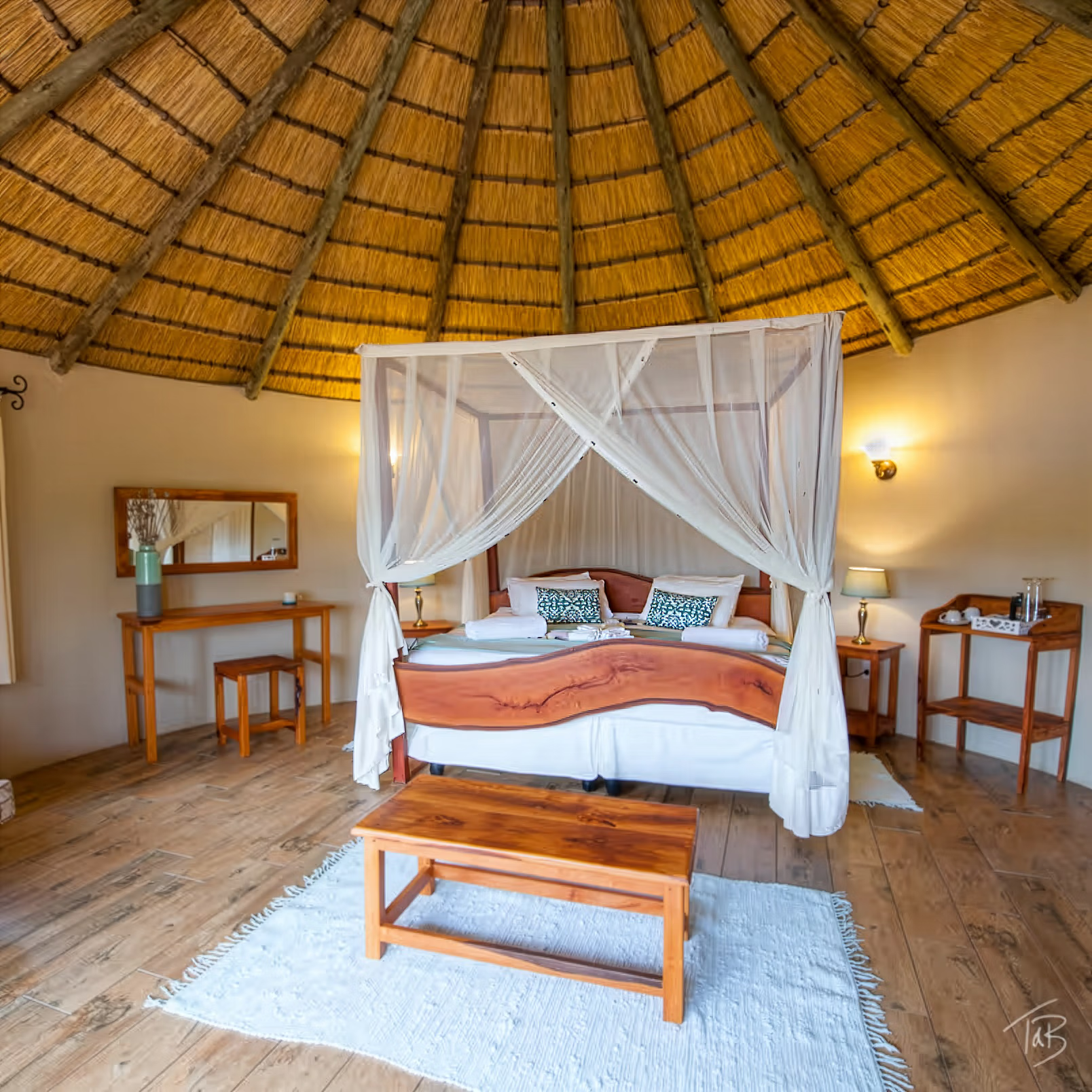
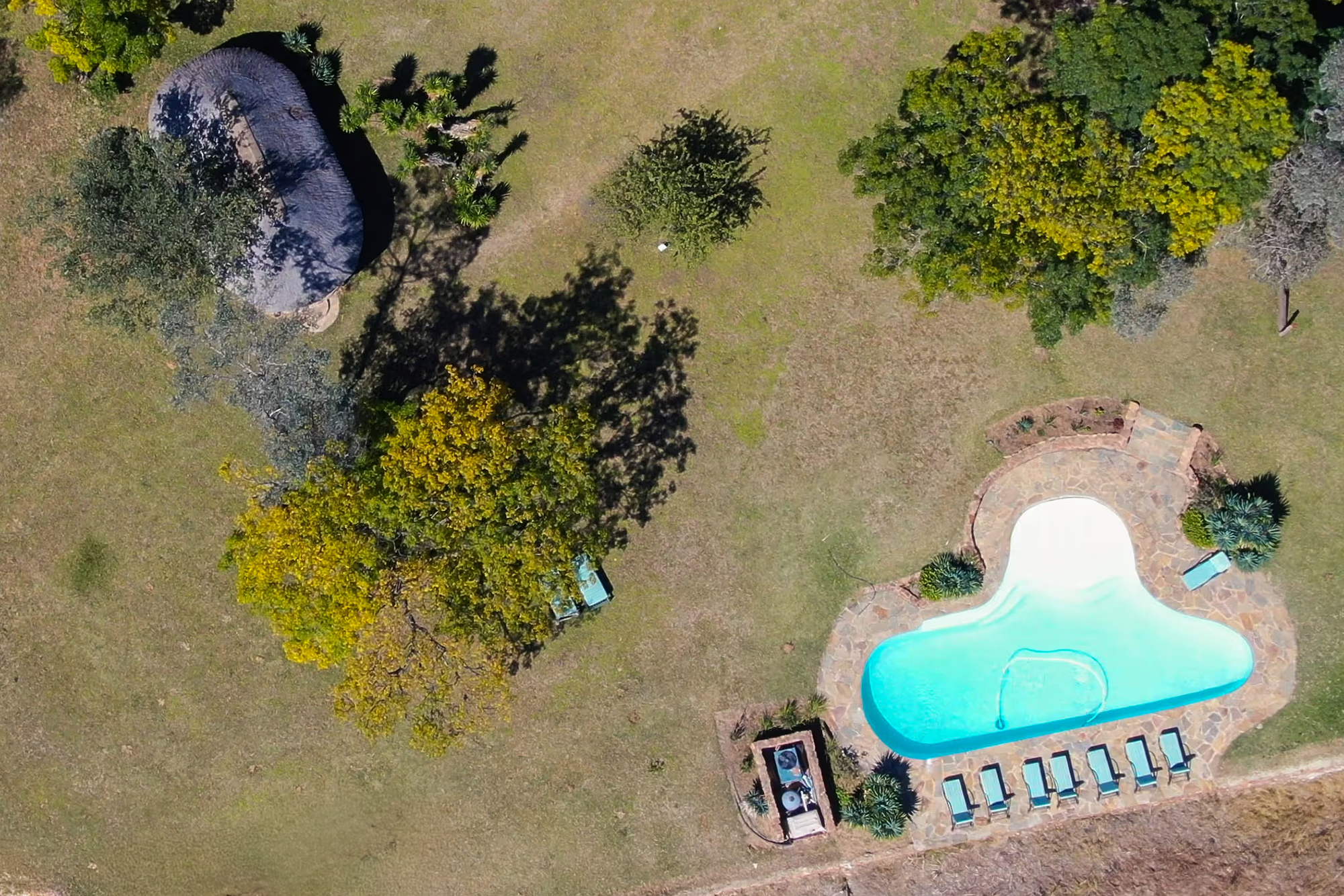
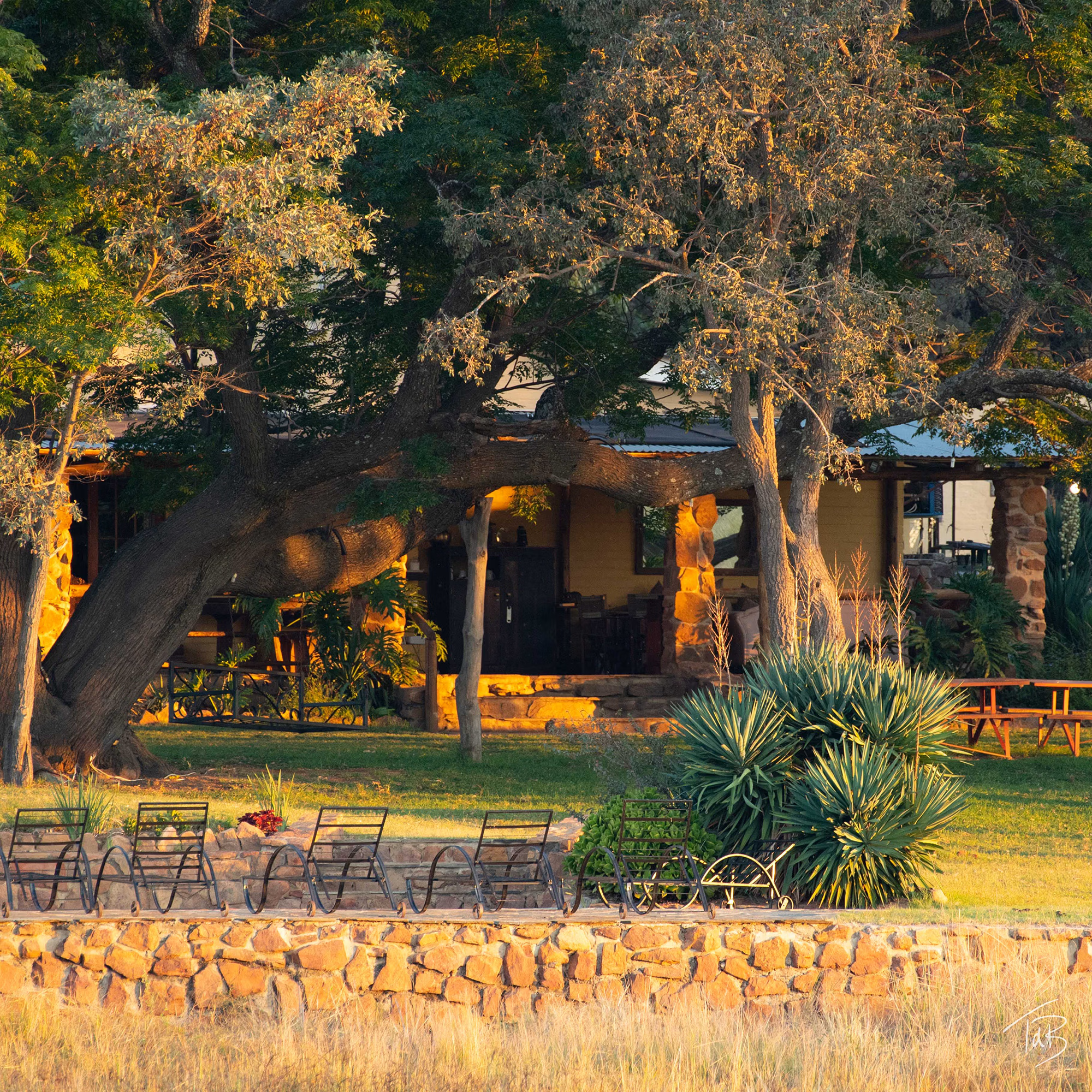
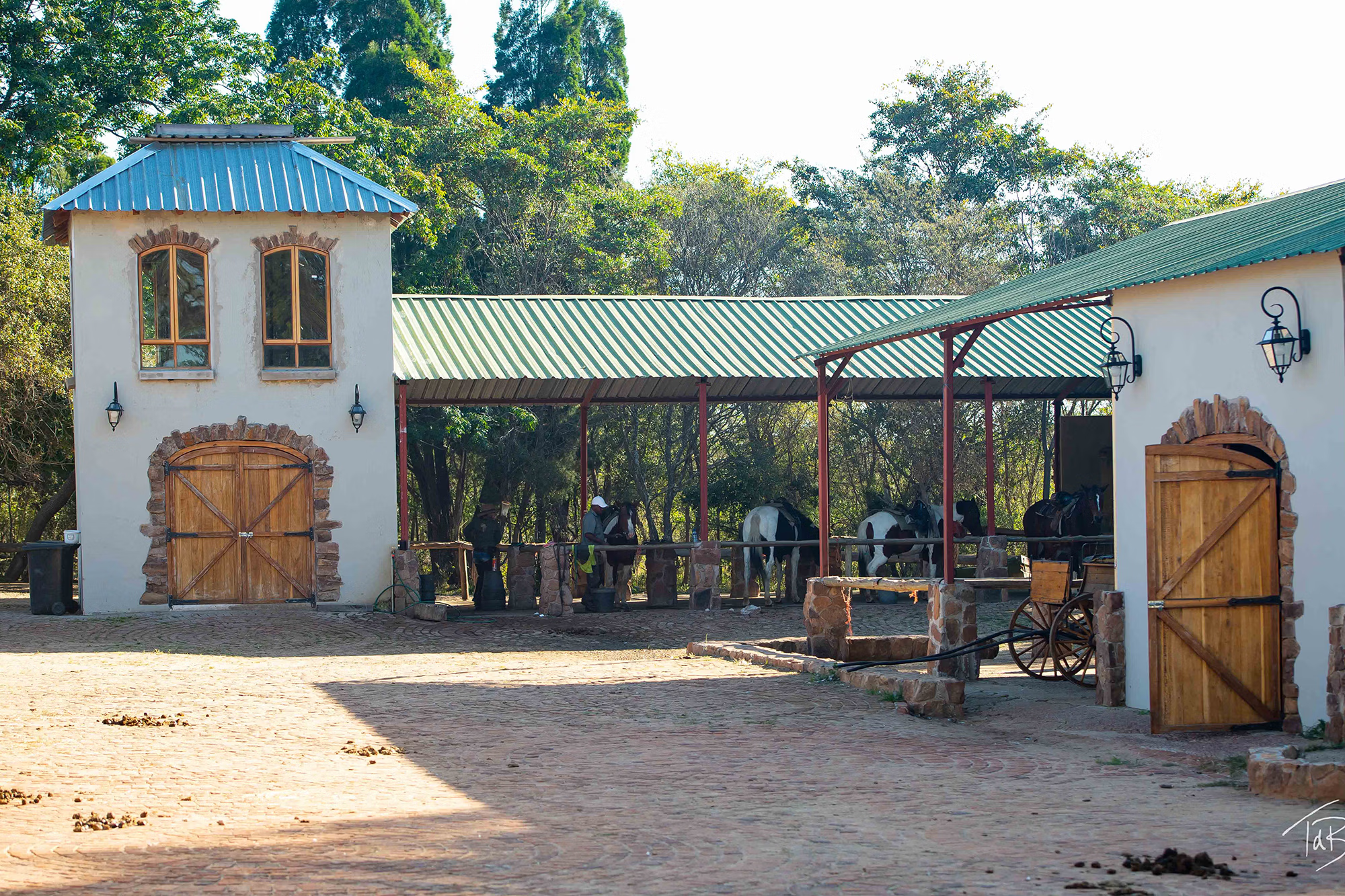
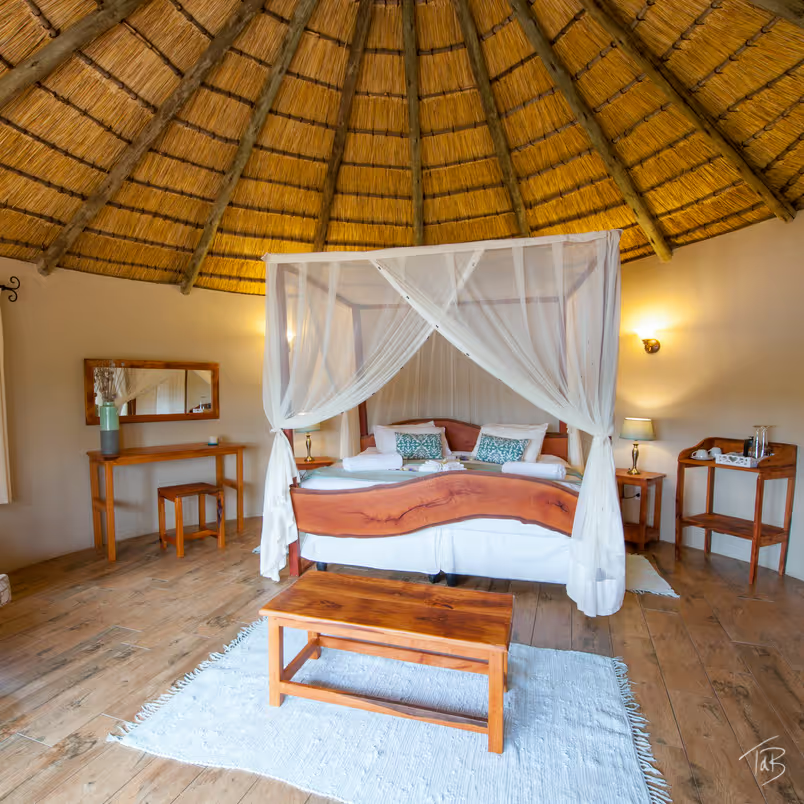
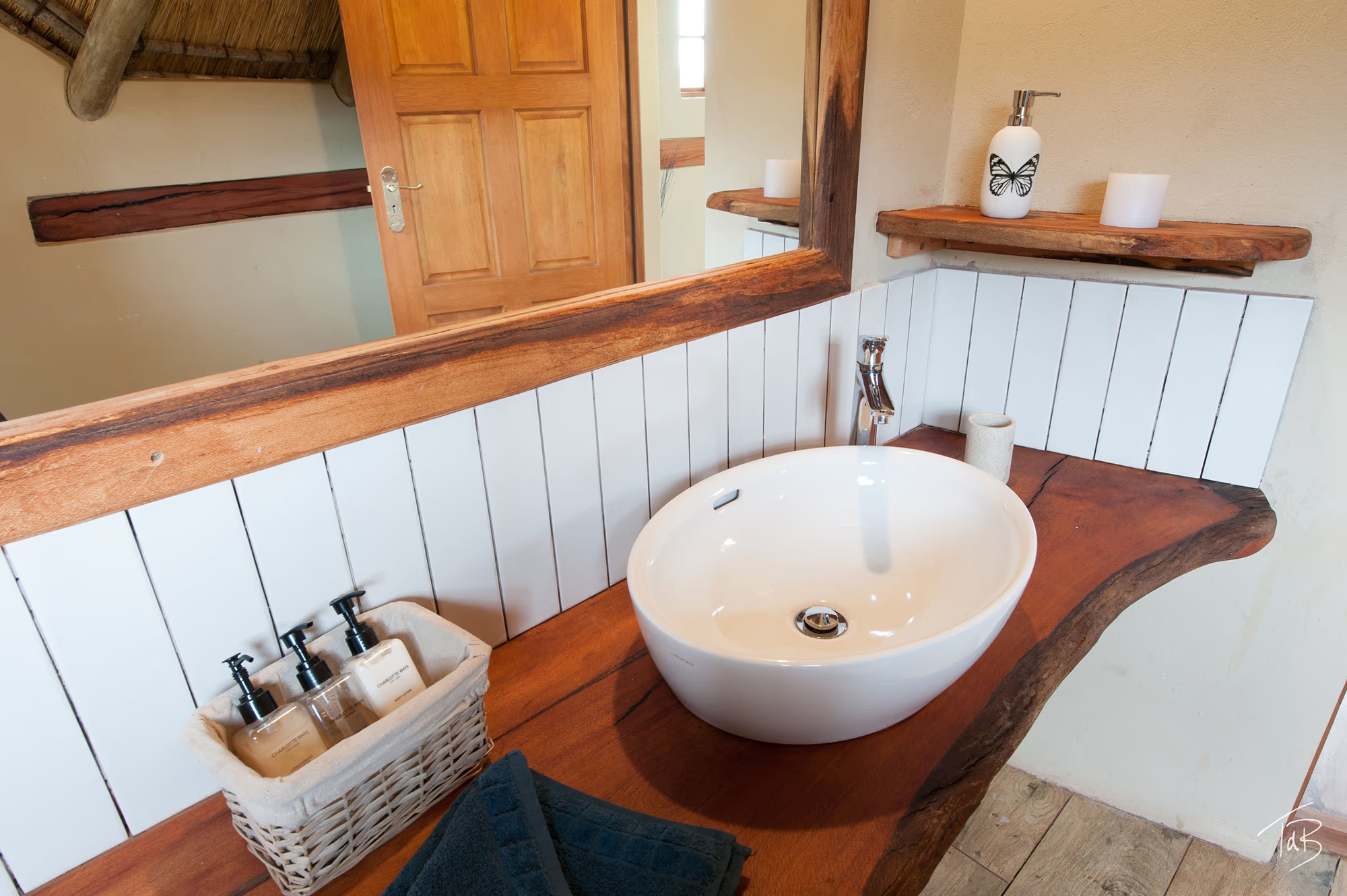
Camp Davidson was modelled on the old ‘outspan’ camps of E.A. Davidson when he was selling goods across the area from his wagon in the early 1900s. Your hosts have captured the early camp atmosphere in Camp Davidson. Beautiful, decked canvas tents are nestled amongst the sandstone ridges overlooking grassy game filled valleys. Each luxury tent has an ensuite bathroom. The camp is completely run on solar energy and has a small swimming pool.
Bellevue Lodges (Savannah & Seringa) (Day 4)
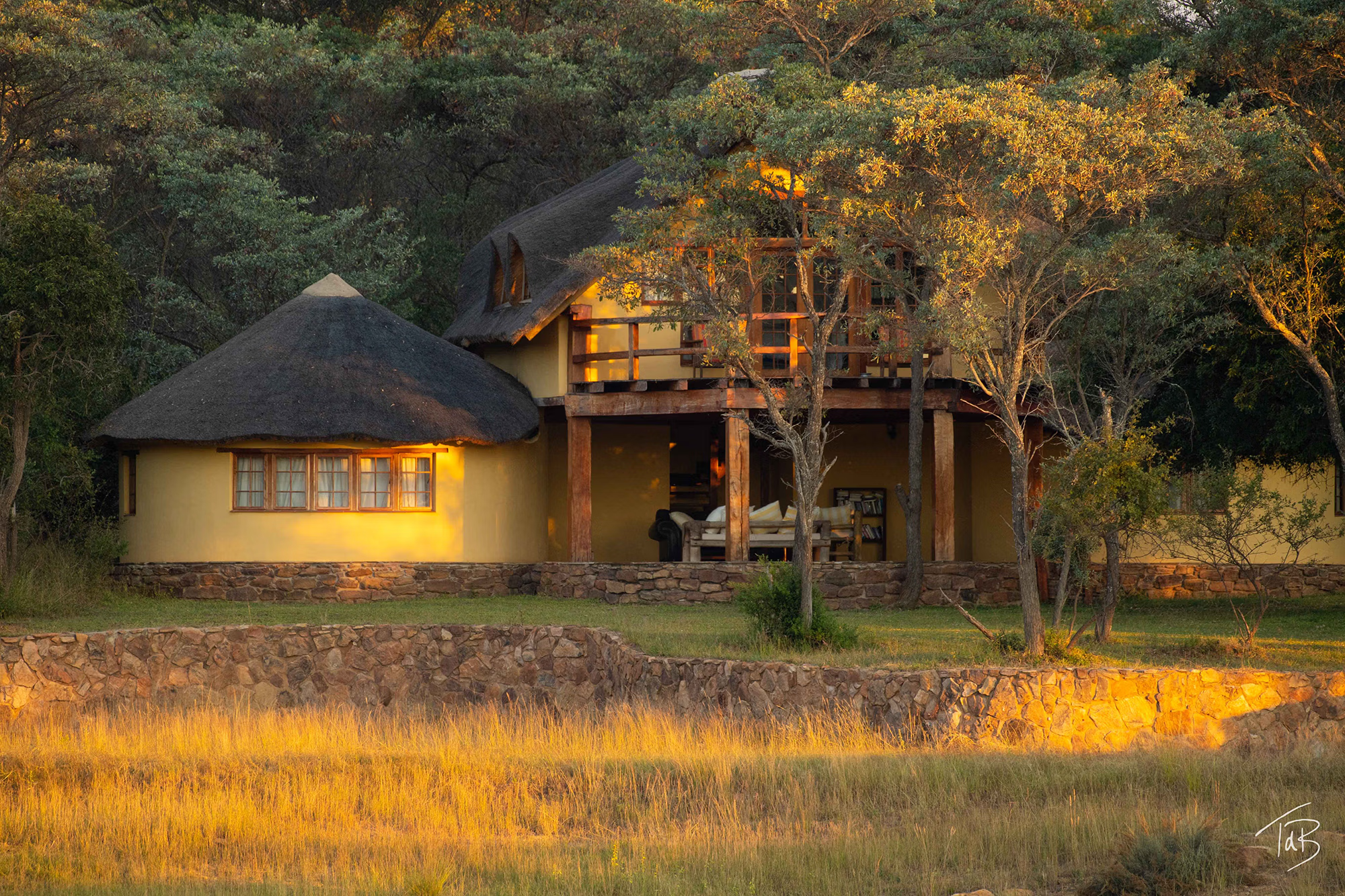
Savannah Lodge is on the southwestern side of the conservancy, while Seringa Lodge is on the southeastern side. Both lodges are tastefully decorated with a large comfortable living space and dining areas inside and outside. Both have a small pool which overlooks a plain where the wildlife frequent.
Tree Camp (Day 5)
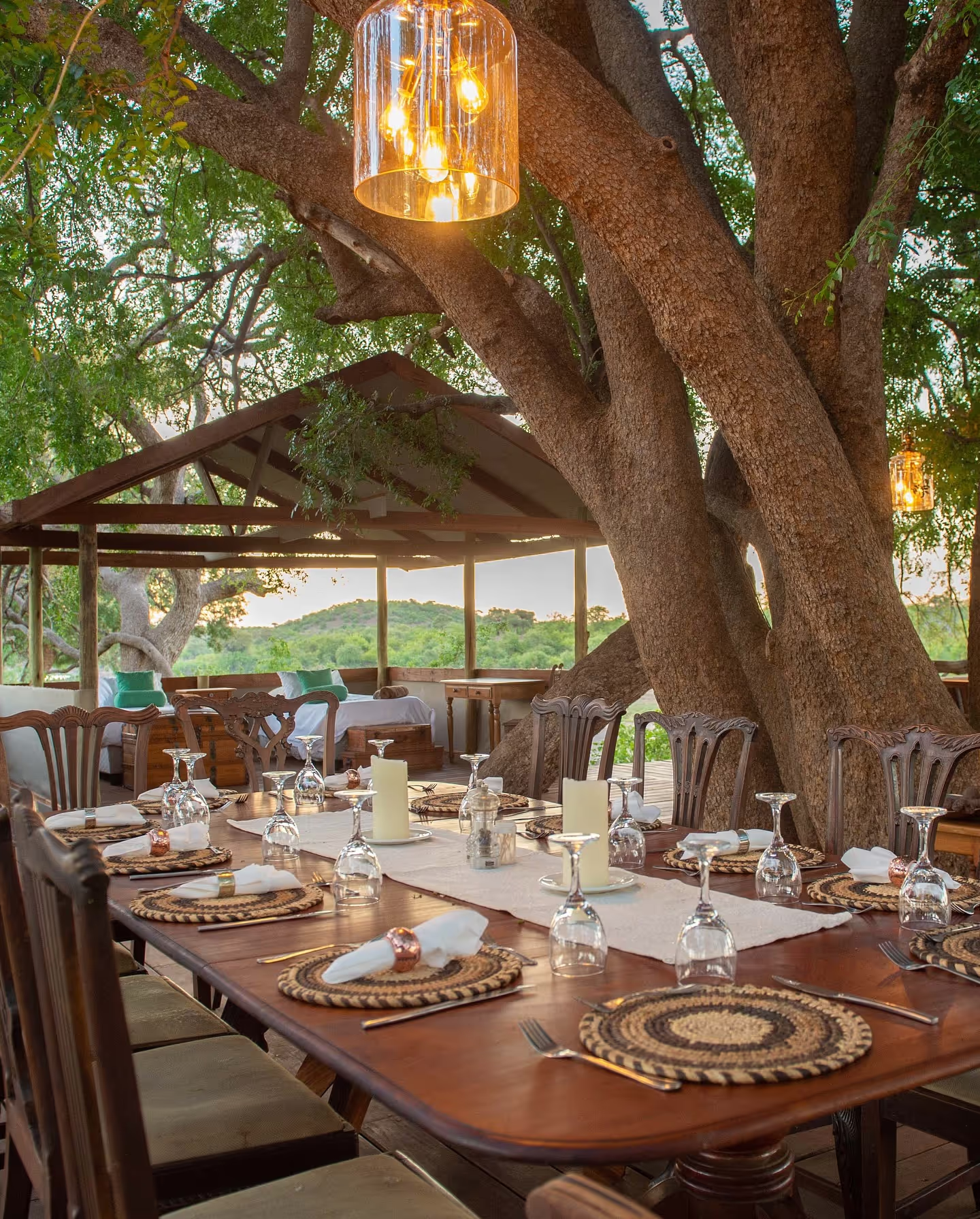
Wrapped around the trunks of a giant mashatu and two ancient leadwood trees, Tree Camp perches several meters up, out of elephant trunk’s reach and overlooking the banks of the Majale River and offers spectacular panoramic views of the adjacent cliffs and floodplain opposite where Mashatu's legendary herds roam. Sleeping quarters are five beautiful and spacious canvas roofed areas with four-poster beds, each facing into the spacious dining and resting area. The elevated platform offers a unique camp you will remember for years to come.
Two Mashatus Camp (Day 6 & 7)
This camp is near the Limpopo River but also has a view over open plains to the west. Each safari tent has its own flushing toilet and shower in a private area behind each tent. The central dining area is built on a teak platform using the local building style with a lala palm thatch roof. There is also a small swimming pool so that you can relax with a refreshing dip after your exciting day on horseback safari!
African Explorer
Booking Conditions
See the full booking conditions specific to this trail here.Do not book your flights until you have received your booking confirmation email from SaddleTravel.com.
Flight and transfer information
- Arrival airport: Johannesburg OR Tambo International Airport (JNB)
- Arrival time: Arrive before 9:30am on Day 1.
- Departure time: Book return flights departing after 8:00pm on Day 8.
- Transfer arrangements: £565 per person for 2026 and £605 per person for 2027. This includes the arrival day road transfer from Johannesburg Airport to Camp Davidson, the Day 5 transfer from Camp Davidson to Botswana, and the departure day charter flight from Botswana to Johannesburg. Transfers operate at set times.
Single room supplement: A supplement of 50% of the ride cost applies to solo riders who would prefer not to share a room with another rider.
Seasonal pricing: Prices vary according to departure date and season. Please see the individual departure dates for the applicable price.