Desert Cavalcade Trail

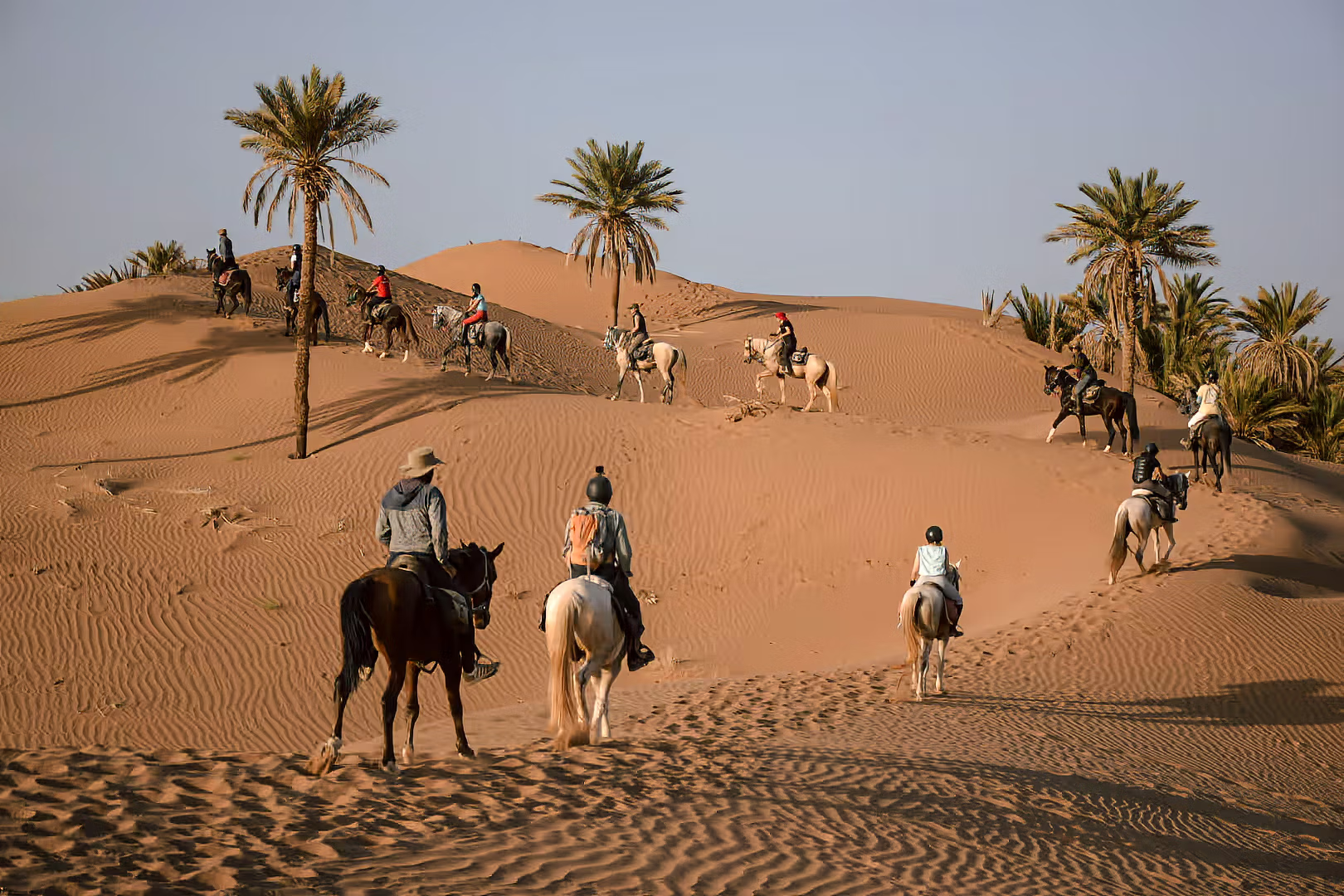
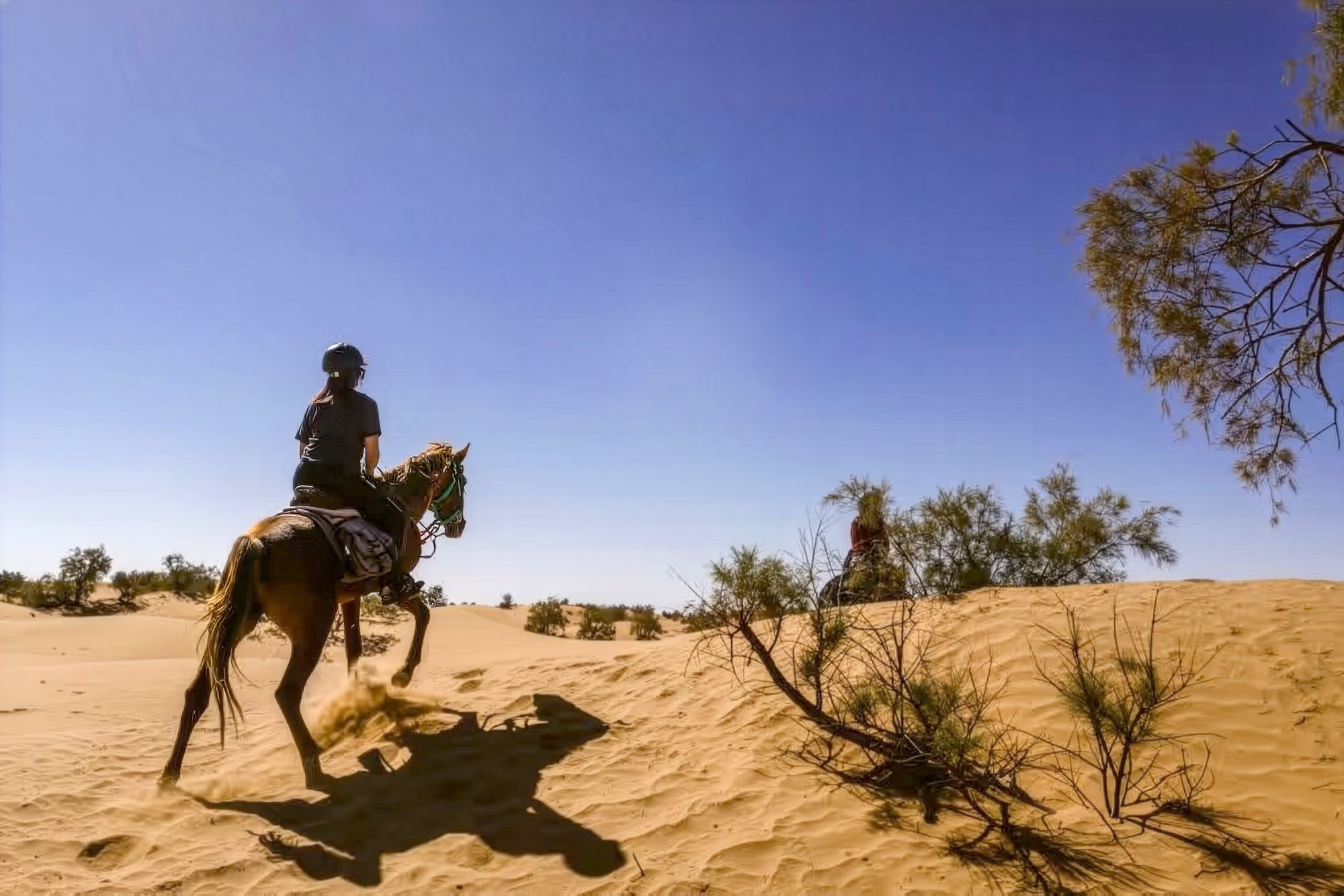
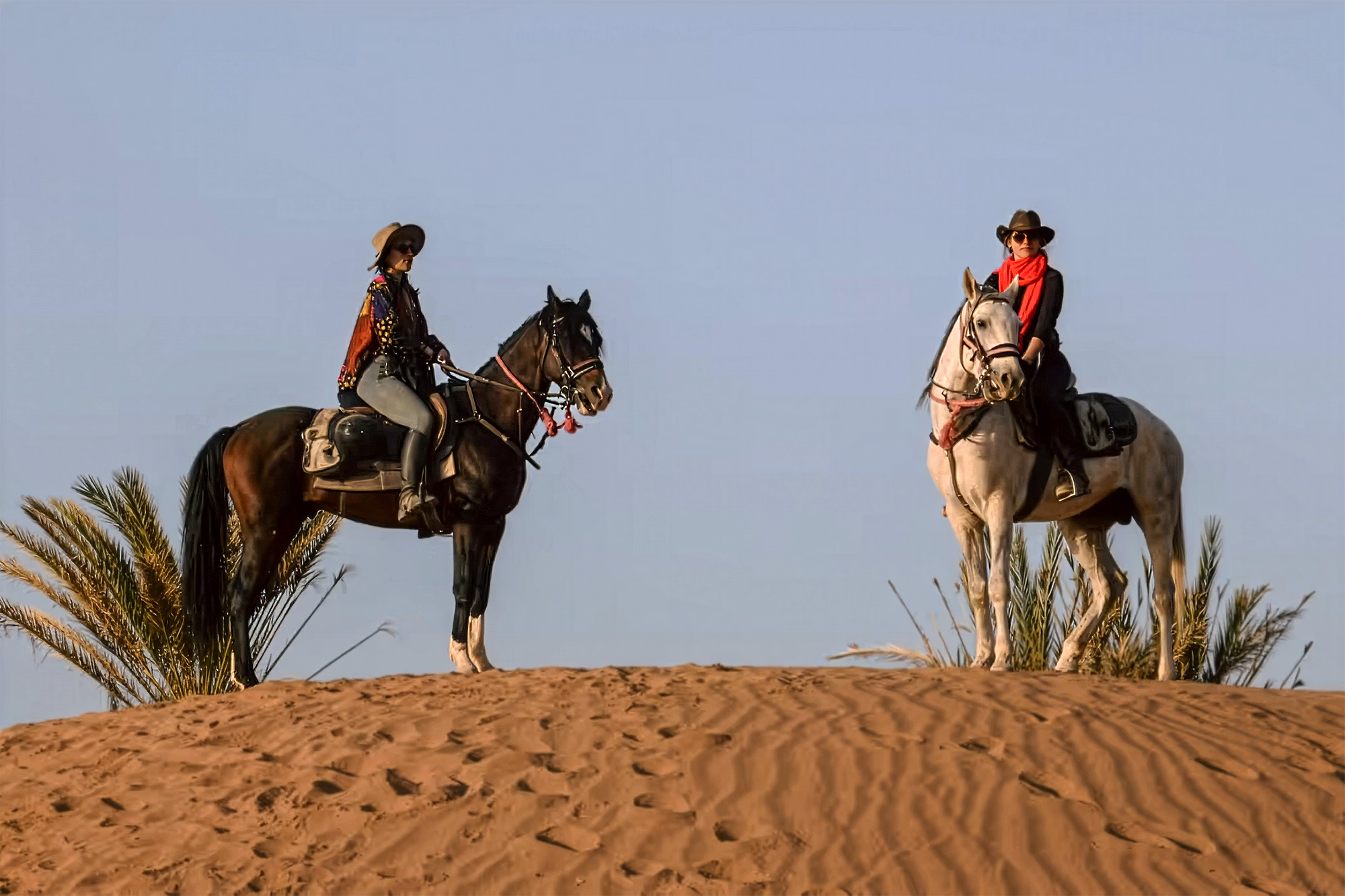
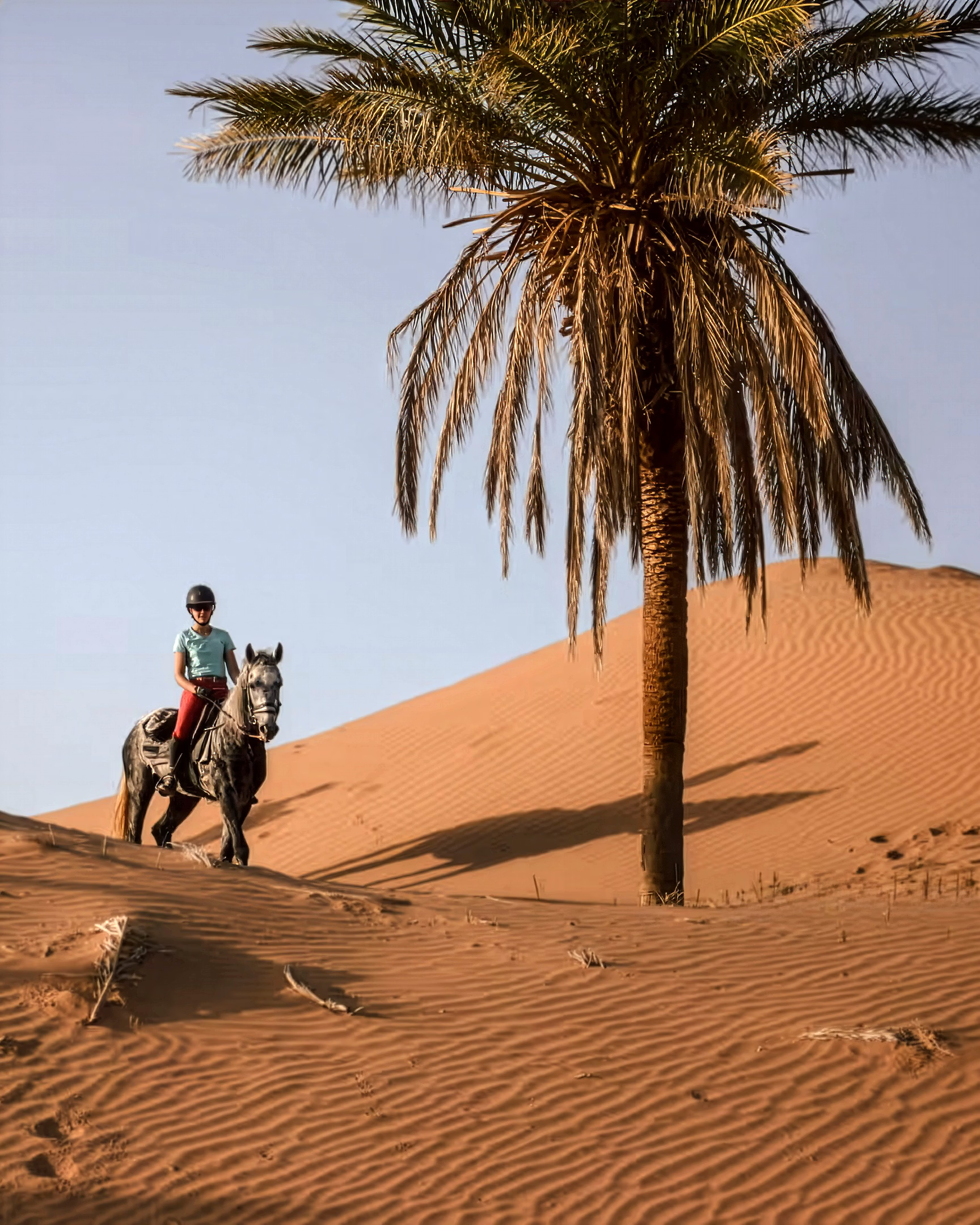
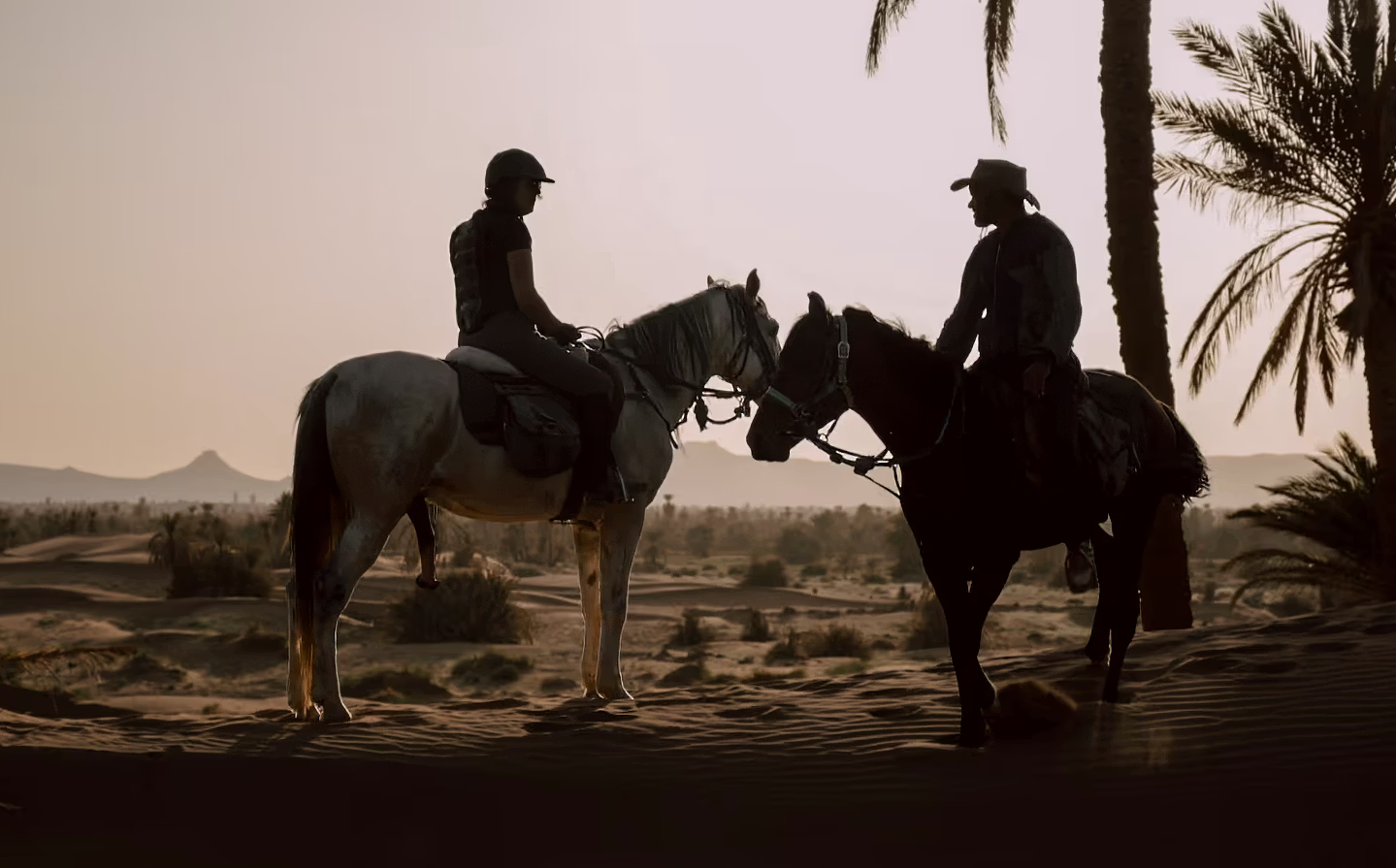
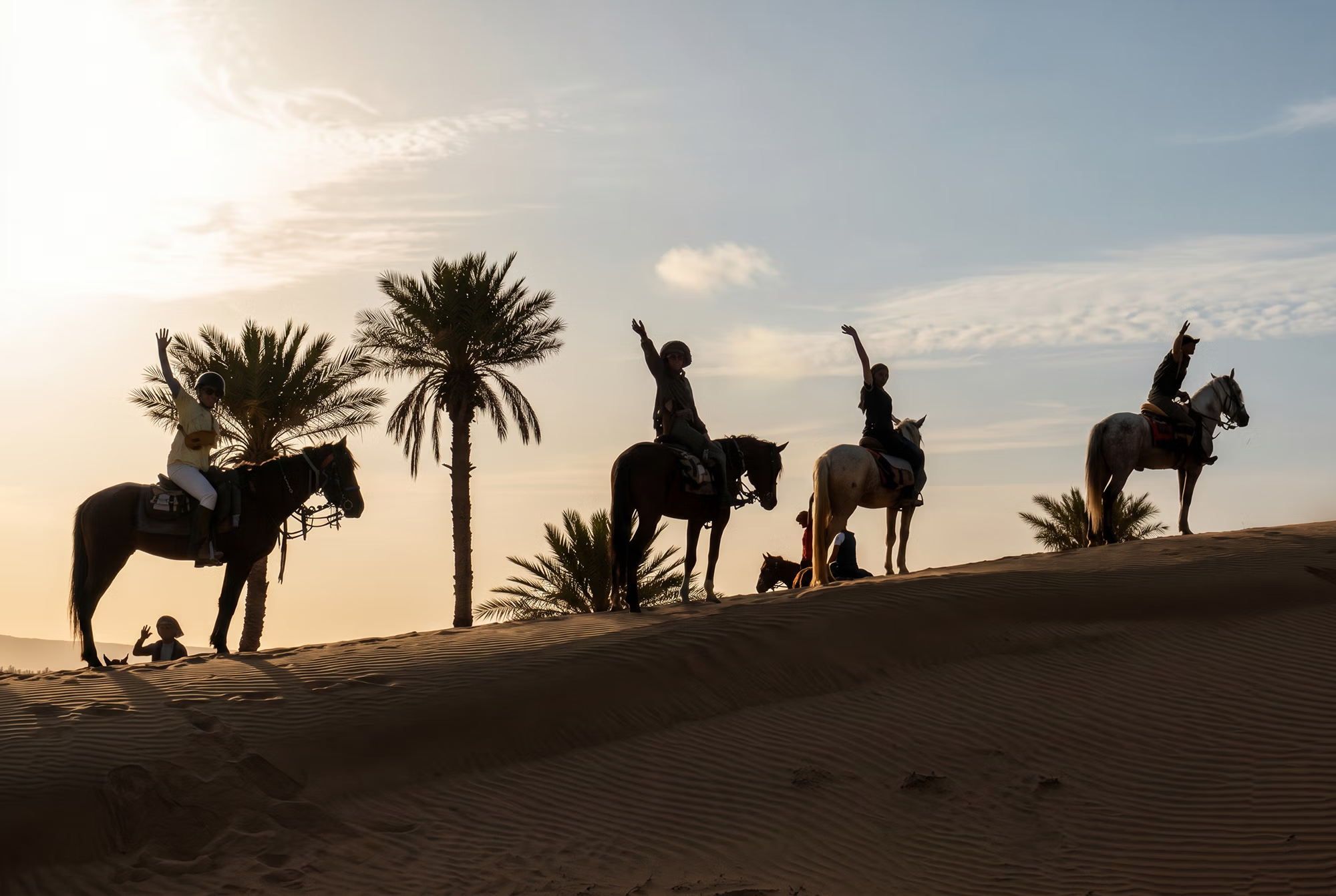
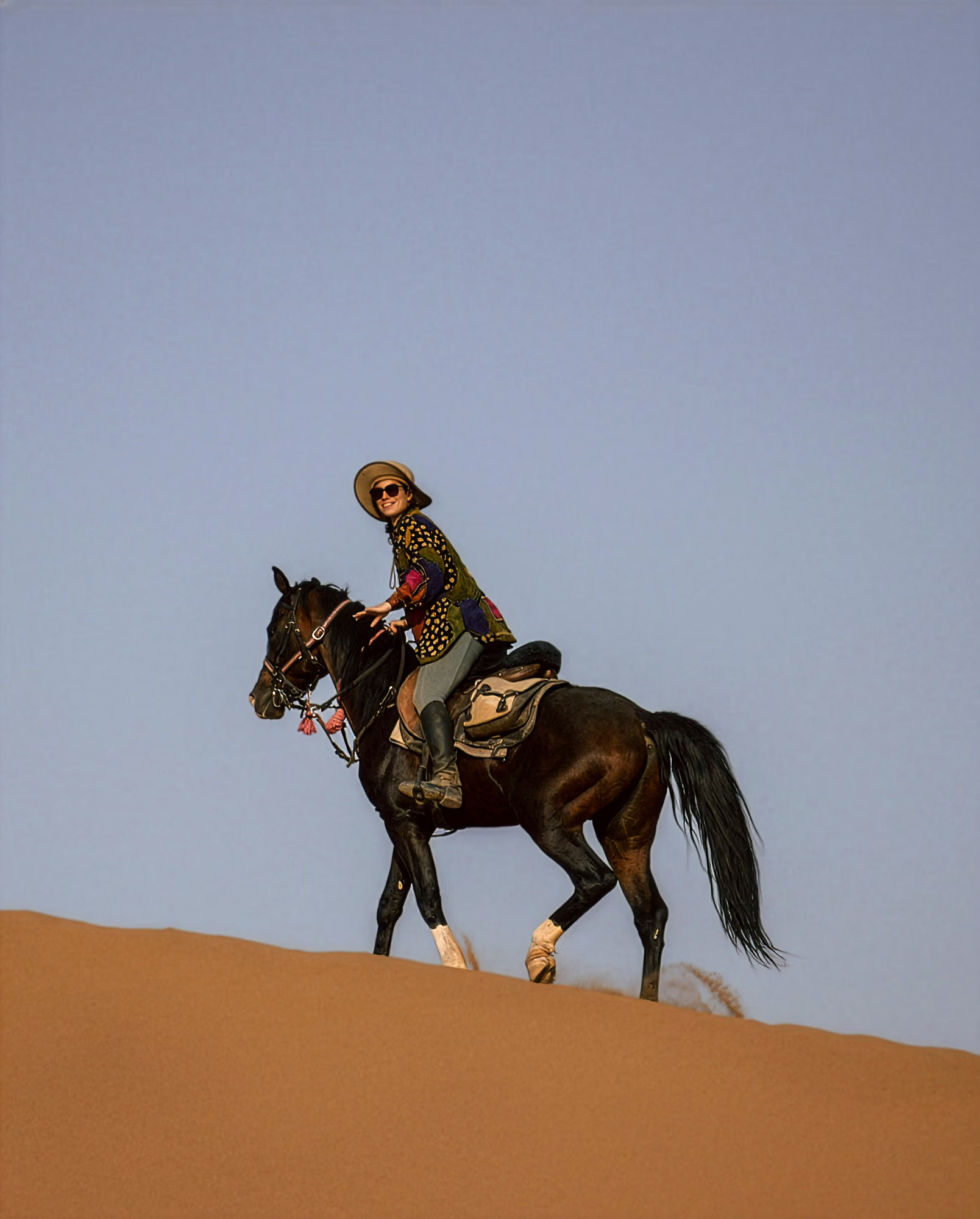
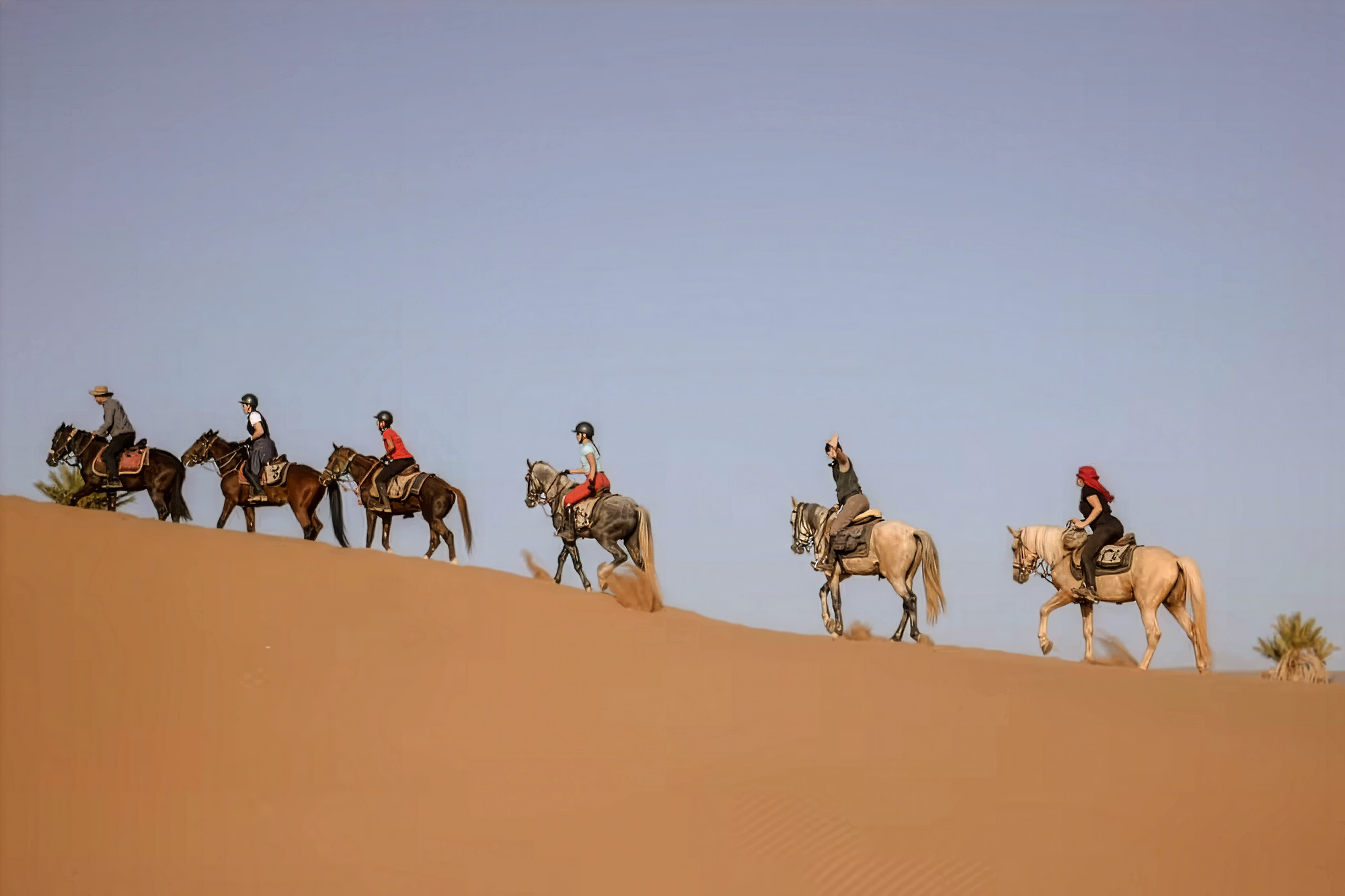
The ride takes you up and over the dunes of the Sahara where the plateaus offer the ideal terrain for a gallop or two on this faster-paced ride. More varied than some of the Moroccan trails the scenery takes in desert, mountains and oases, narrow gorges and palm groves. This is a challenging ride which involves riding and camping in remote locations, and is suitable for experienced riders happy to canter and gallop in the open.
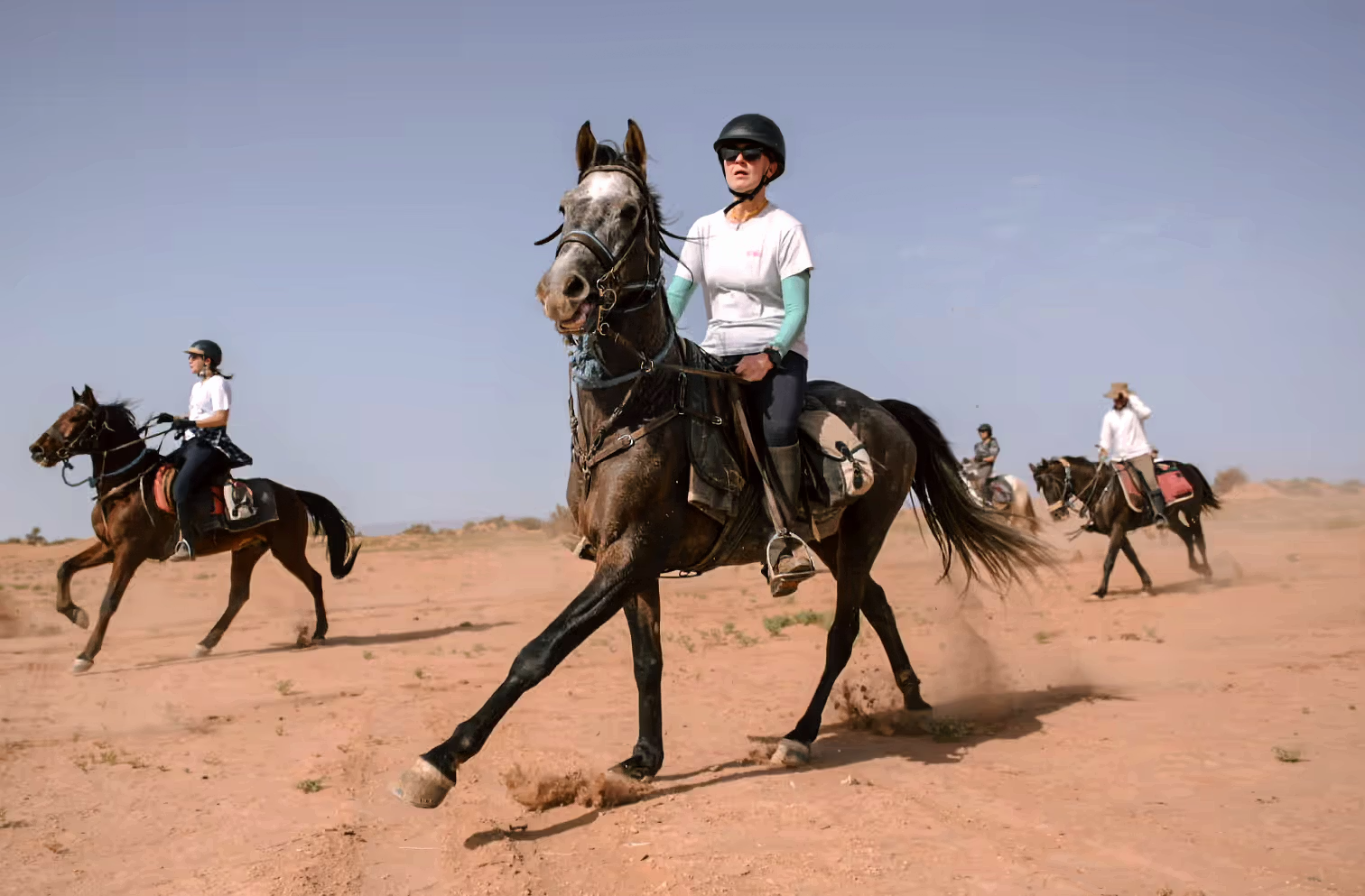
This trail offers varied and rewarding riding across Morocco’s landscapes. Long stretches of desert plateaus offer fast canters, while rocky dunes, mountains and remote villages keep the scenery varied. You’ll be paired with a sure-footed Barb or Arab stallion, forward-going yet well-mannered, perfectly suited to the region’s diverse terrain. Riders are expected to help with grooming and tacking up, giving you time to build a real partnership with your horse over the week. The pace of the ride is 60% walk, 25% trot and 15% canter/gallop. You'll ride around five hours per day except on Day 7 where you will ride in the morning for two hours before transferring back to Ouarzazate.
- Ride from the Draa Valley towards the edge of the Sahara
- Fast riding across vast desert plateaus
- Dramatic mix of desert, mountains, and palm groves
- Cross the foothills of the Djebel Bani mountains
- Sleep under the stars in remote bivouac camps
- Authentic encounters with oasis villages and ksour
- Sure-footed Barb-Arab horses built for desert travel
- A true point-to-point expedition adventure
itinerary
Day 1
On arrival at Ouarzazate Airport, you’ll be warmly welcomed by the team and transferred to your hotel. Take time to relax, settle in, and soak up your first impressions of Morocco’s desert gateway. Overnight in Ouarzazate.
Day 2
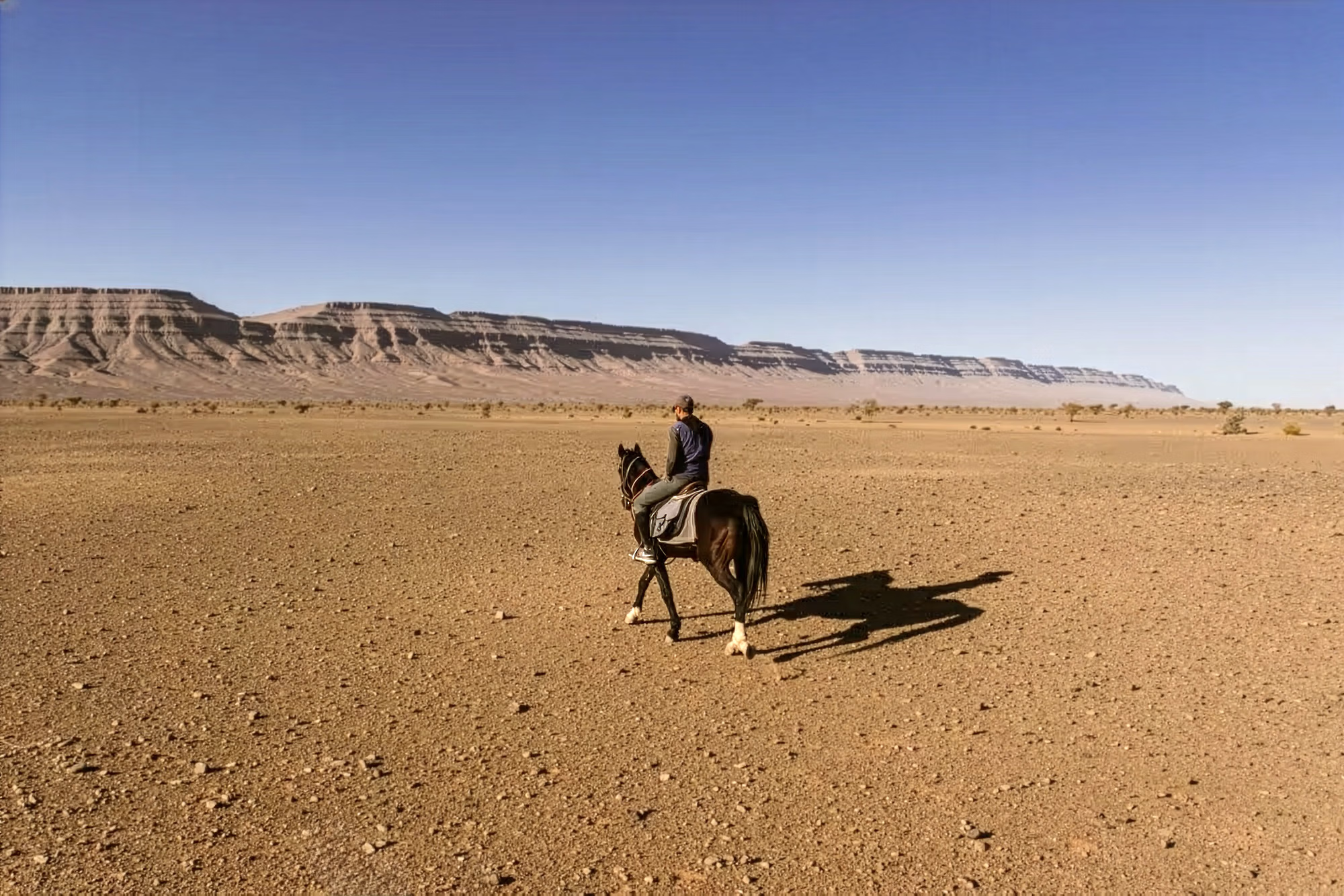
An early morning departure (around 7:00 am) takes us south towards Zagora (approx. 3-hour drive), where our horses await. From here, the adventure truly begins.We ride southwest across the vast Feïja reg, an open stony desert that immediately conveys the immensity of the Sahara. Gradually, the dramatic silhouettes of the Djebel Bani mountains rise ahead — the final mountain chain before the great desert beyond.A winding trail leads us up to the mountain pass, rewarding us with breathtaking panoramic views over the Feïja plateau and the distant Djebel Saghro. We then descend through a narrow gorge to reach a small oasis, long used as a resting point by nomadic tribes. Evening under the stars in a traditional desert bivouac.
Day 3
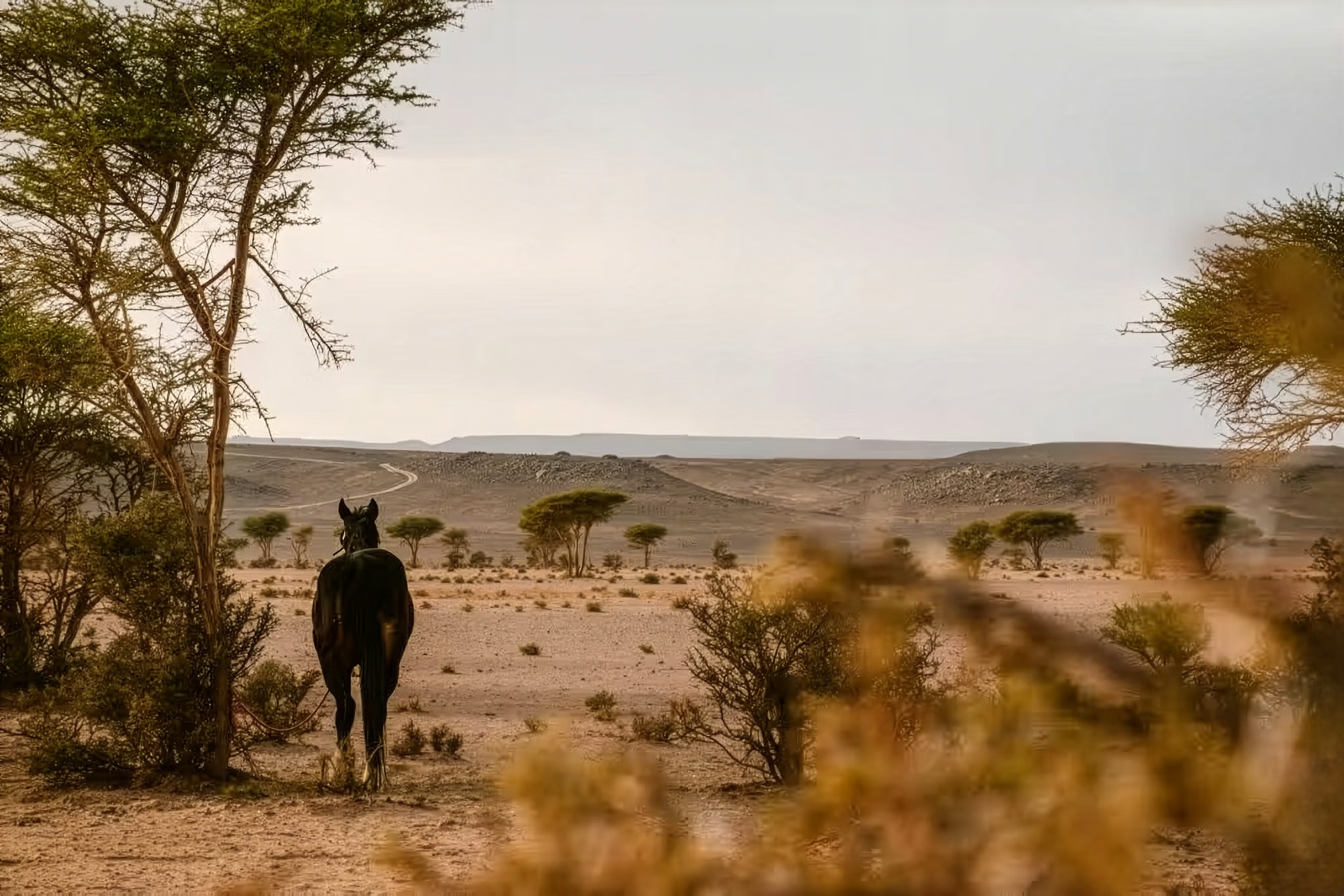
We begin the day crossing an arid plateau scattered with hardy acacia trees — some of the only vegetation able to survive in this harsh environment. As we ride south, soft sand hills gradually appear and grow into sweeping dunes.The landscape becomes endless and serene. This protected area is a natural reserve where gazelles and ostriches are slowly being reintroduced. We camp beside the Naam River — its name meaning “ostrich” in Arabic — and enjoy a peaceful desert evening.
Day 4
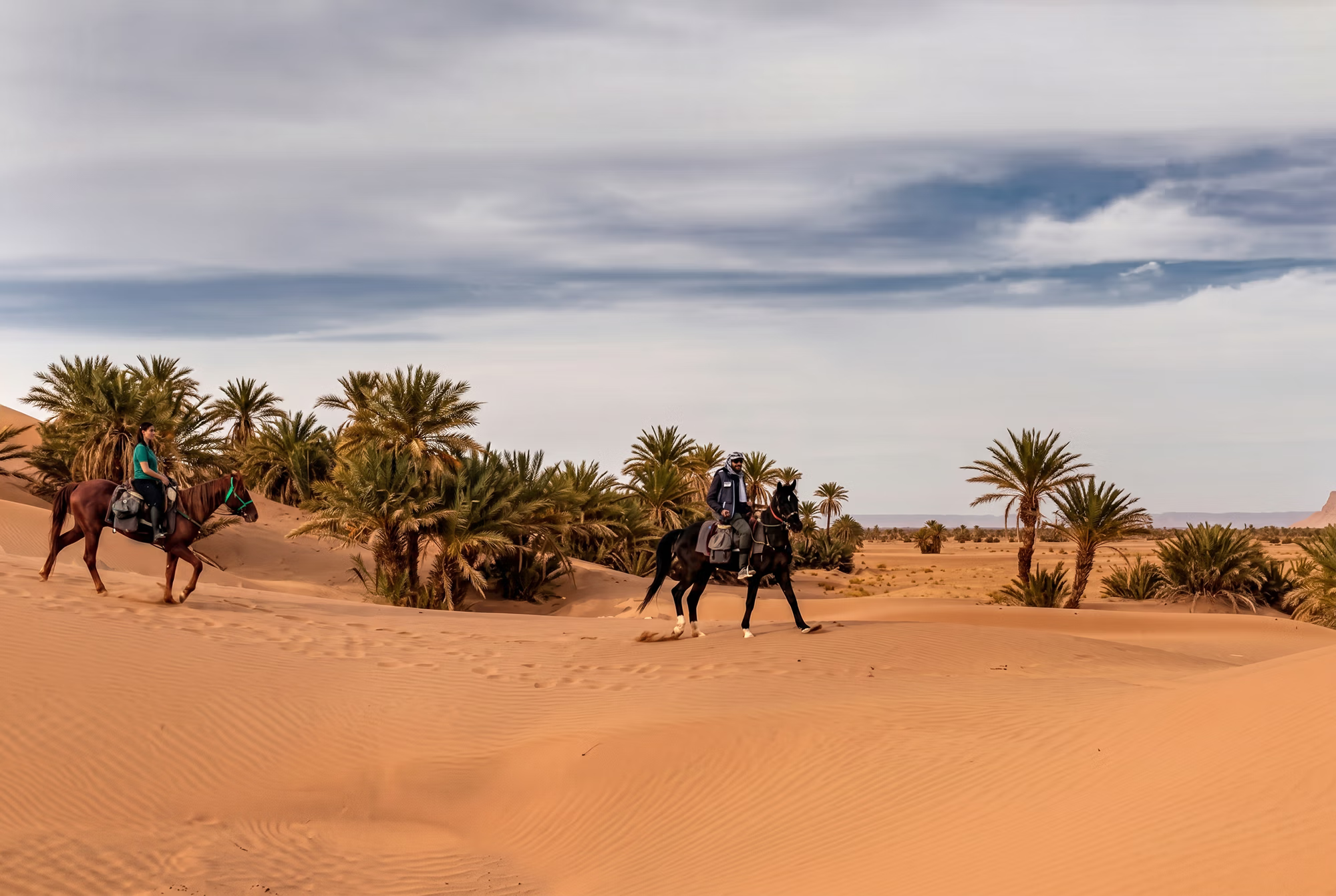
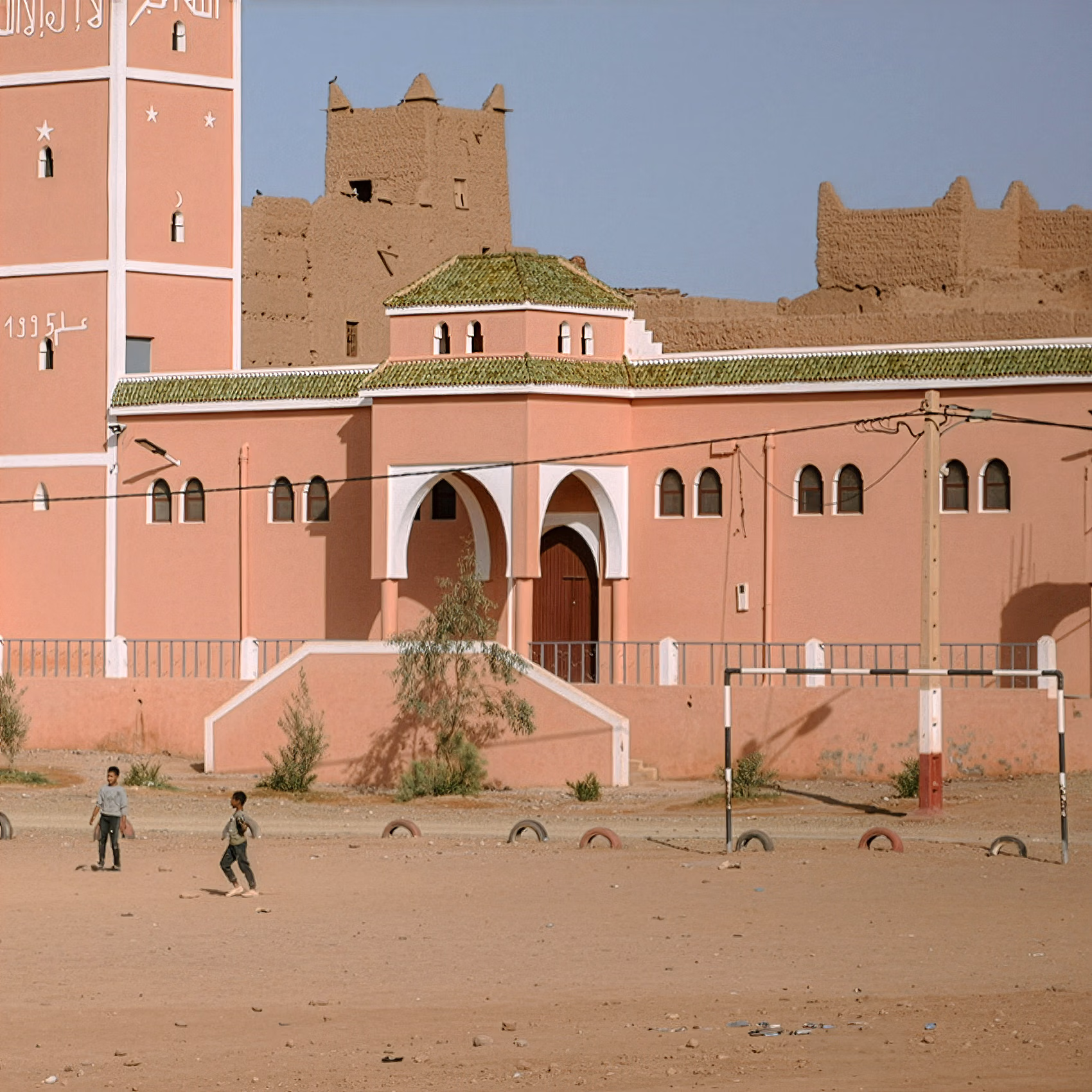
Today’s ride takes us through rolling dunes, where you may occasionally spot nomadic camps — low, traditional tents made from camel or goat hair, known as kheïmas.Gradually, the scenery changes as we approach the end of the Drâa Valley. Palm trees appear, sheltering small houses within the Bounou palm grove. The beautifully preserved ksar (fortified village) is one of the most impressive in the region.We arrive in Ouled Driss, where you’ll have time to visit the ksar and its small local museum before settling in for the night.
Day 5
From here, the pace can quicken as we ride along the Drâa Valley, moving between sand hills and wide stony plateaus (regs). Crossing the Selmane Pass, we’re rewarded with sweeping views over the Tagounite palm grove.We continue through dunes, cultivated fields, and villages with beautifully decorated earthen walls — proud testimonies of local craftsmanship. Near Nesrate, we reach an area where a once-thriving palm grove has been gradually swallowed by the sands. Bivouac in the dunes for a magical desert night.
Day 6
Today brings us back toward village life, with its lively contrast of fortified homes (ksour), lush gardens, blazing sun, and welcome shade.The palm grove gives way to the Drâa River, flowing between the Djebel Bani and Djebel Tadrart mountain ranges. We continue to a tranquil oasis, where we set up camp for the night.
Day 7
Our final ride takes us north along quiet trails weaving through ksour and cultivated fields within the palm grove. We reach the village of Tinfou, where impressive dunes threaten to engulf houses and farmland — a striking reminder of the desert’s ever-advancing power.In the early afternoon, we transfer back to Ouarzazate. In the evening, enjoy a farewell dinner at a charming local restaurant before spending your final night at the hotel.
Day 8
DepartureDepending on your flight time, enjoy a final stroll through the souks before your airport transfer and journey home.
Get a free
Desert Cavalcade Trail
Mini-brochure PDF
know before you go
To participate, riders must be confident and secure at all three gaits - walk, trot, and canter - and comfortable riding in open country. Previous experience with long hours in the saddle is essential, as the program includes five to six hours of riding on several of the days. A good level of physical fitness is needed and riders should be adaptable, ready to embrace the spirit of adventure that comes with travelling on horseback as well as the capacity to enjoy remote mountain scenery. Riders will be asked to assist with grooming and saddling their own horses but if required help is always at hand as the ride is fully support by a backup team that travel by vehicle, meeting the group at the camps. The minimum rider age is 16 years and the maximum rider weight limit is 90kg.
You will be guided by a Moroccan local from the Sport Travel team whose local knowledge is second to none. All guides speak Arabic, French and English fluently and are friendly and enthusiastic horsemen and women, keen to show visitors Morocco at it's best. An experienced and passionate equestrian support team will meet the group for meals and at overnight stops.
The maximum group size is 10 riders and trails can be confirmed with a minimum of two riders (or 3 to avoid paying the small group supplement).
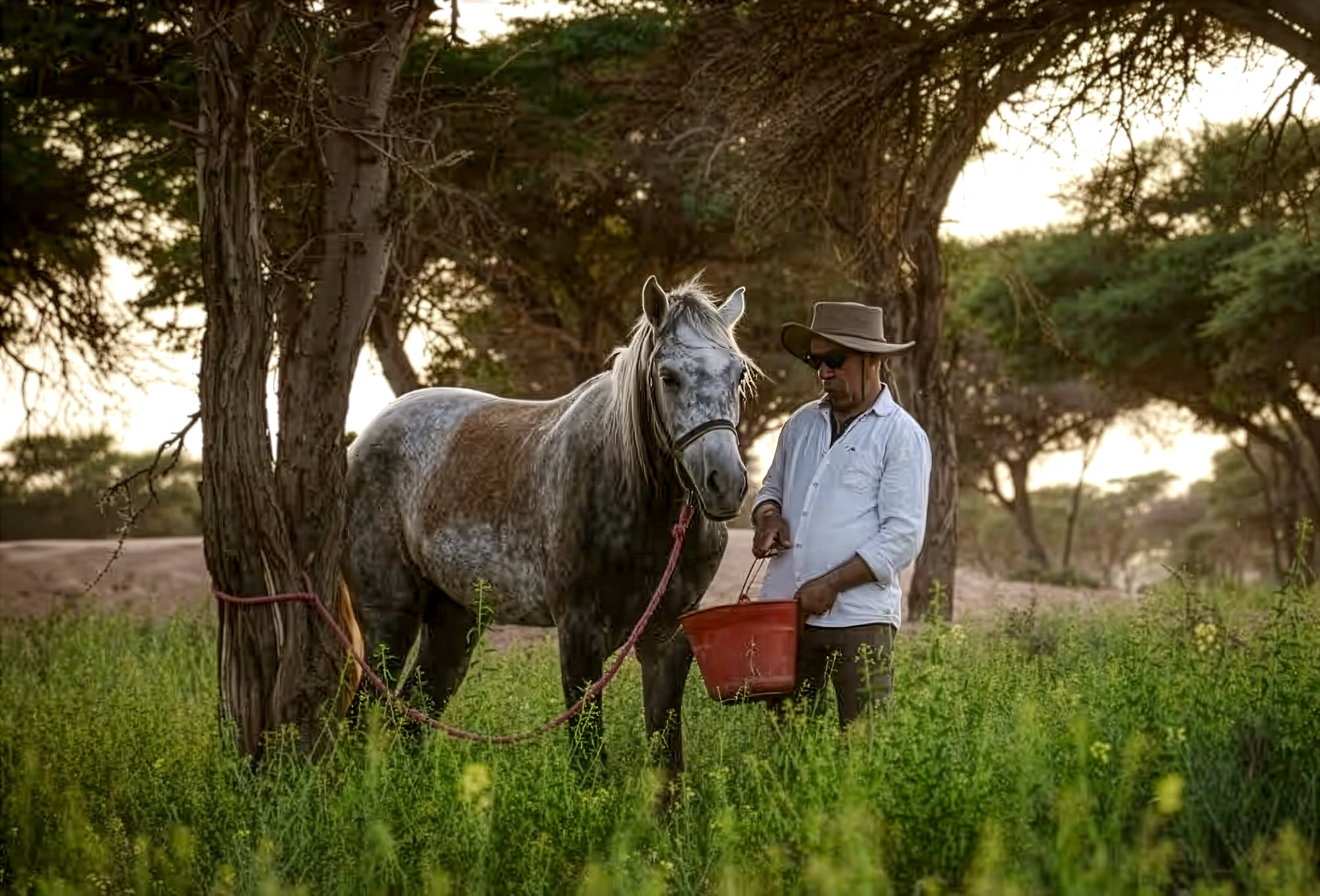
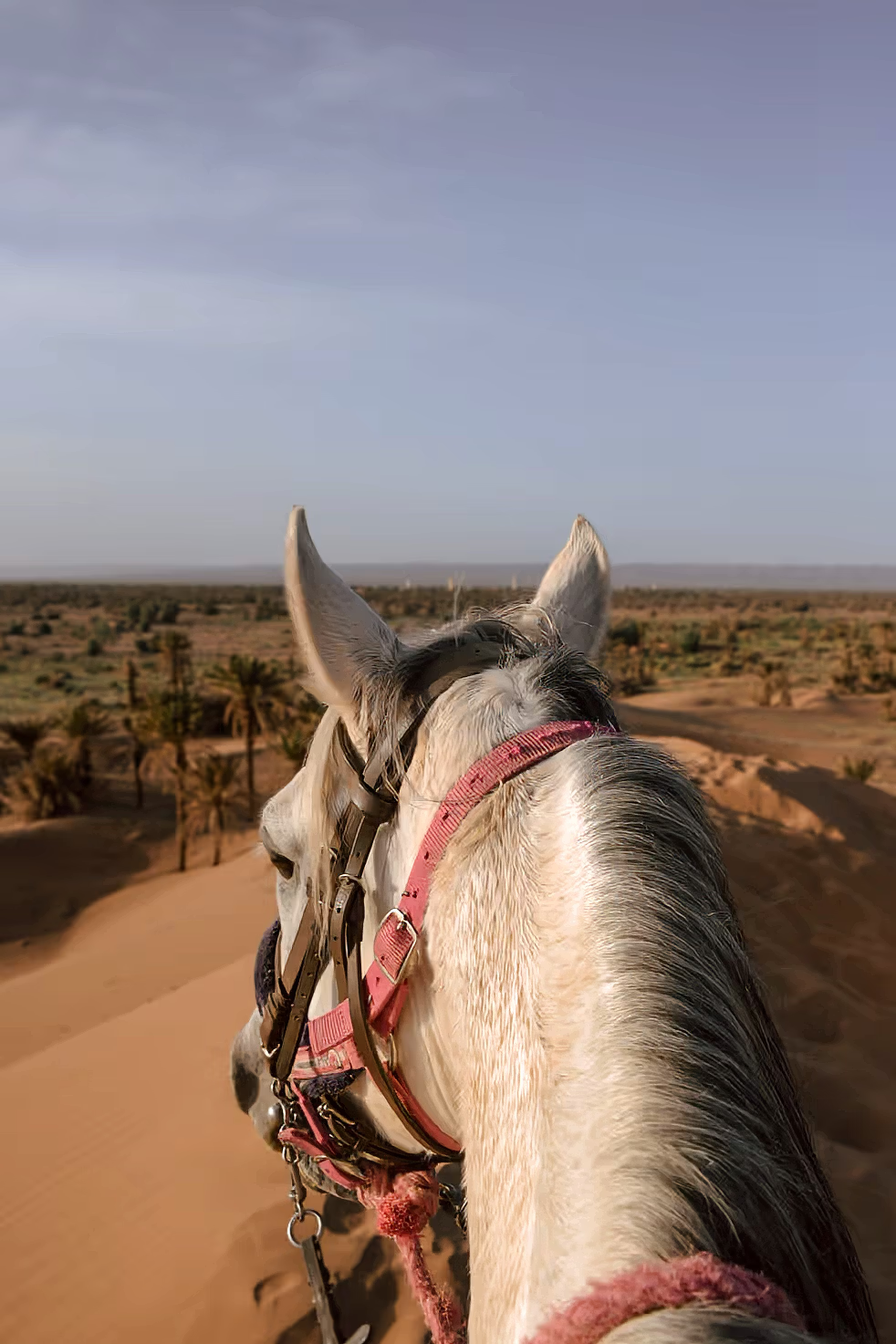
You'll be matched with one of the herd of Barb-Arab horses, this breed was created almost a century ago by crossing fine Purebred Arabians and Barb (Berber) horses. This crossbreeding provides horses perfectly adapted to the mountainous and desert environment of the region, they are strong and robust, with the speed and beauty of Arabian horses. The horses stand at approx. 15hh. In Morocco, most riding horses are stallions as the mares are considered too precious to ride. All the horses used on the trail are owned by your hosts and are well cared for and loved. They live a happy lifestyle, as evidenced by their willing, friendly temperaments and when not on the trail, they live as nature intended in a large herd.
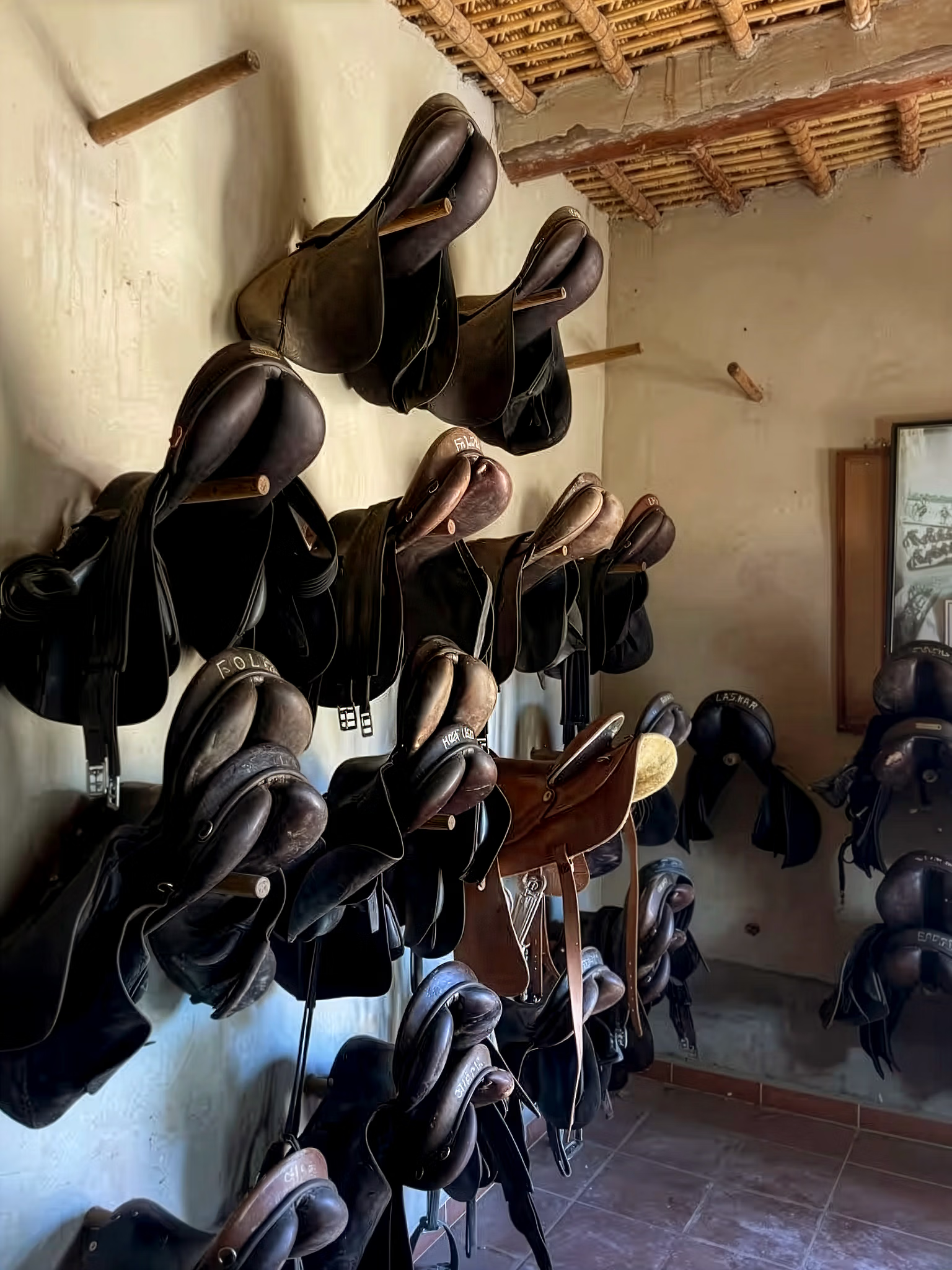
The tack used is English style, with high quality English leather saddles with comfortable suede or sheepskin padding. Leather bridles and saddle bags are provided for participants to carry water and equipment for the day. The rest of your luggage is transferred between overnight stops by vehicle.
Price includes
- 6 days trail riding
- 7 nights accommodation (2 nights hotel, 5 nights camping)
- Trail riding horse, tack and saddlebags
- All meals from lunch on arrival day to lunch on departure day
- Tea, coffee, soft drinks and water
- Airport transfers from
Price Excludes
- Flights
- Alcoholic drinks
- Tips
Accommodation
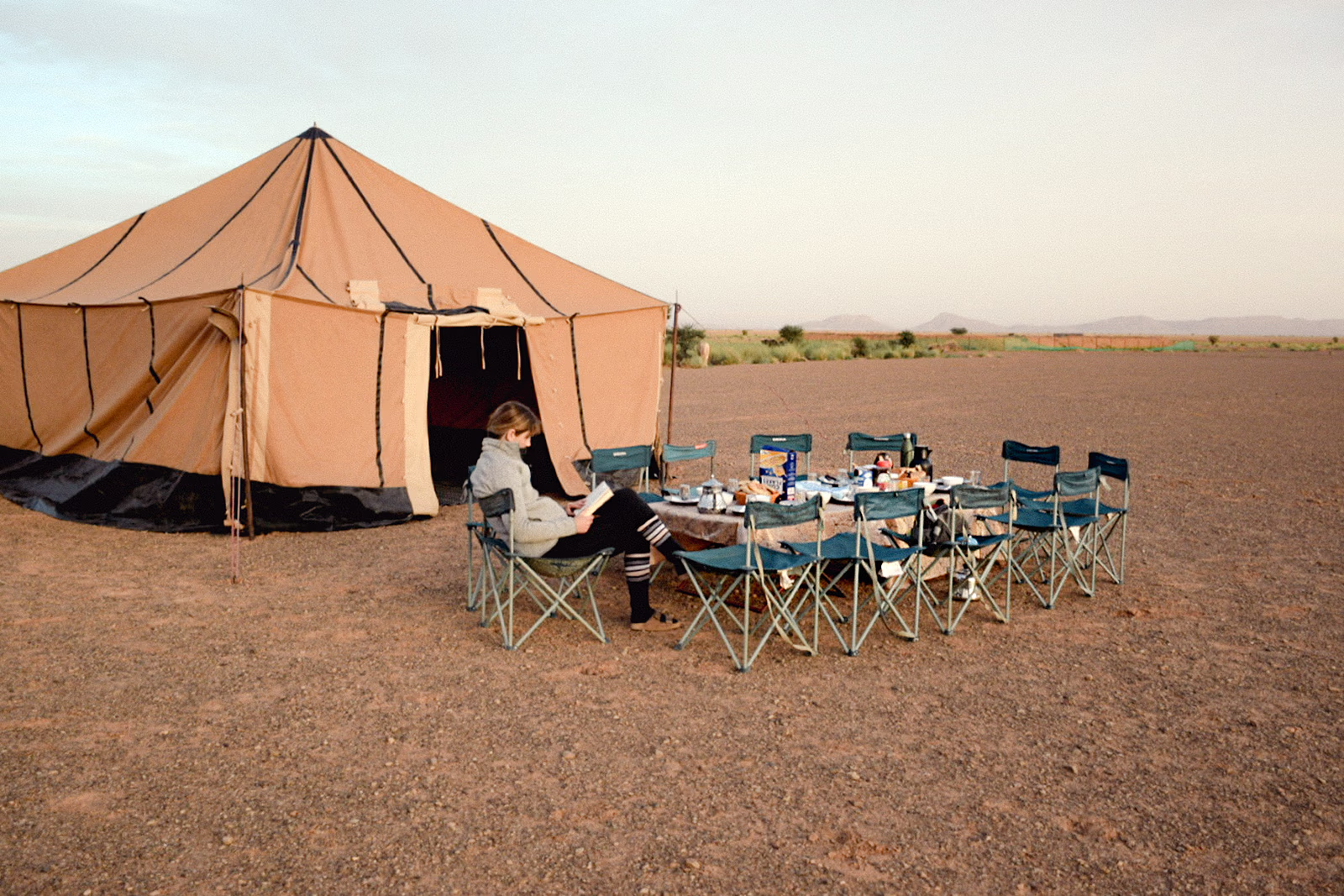
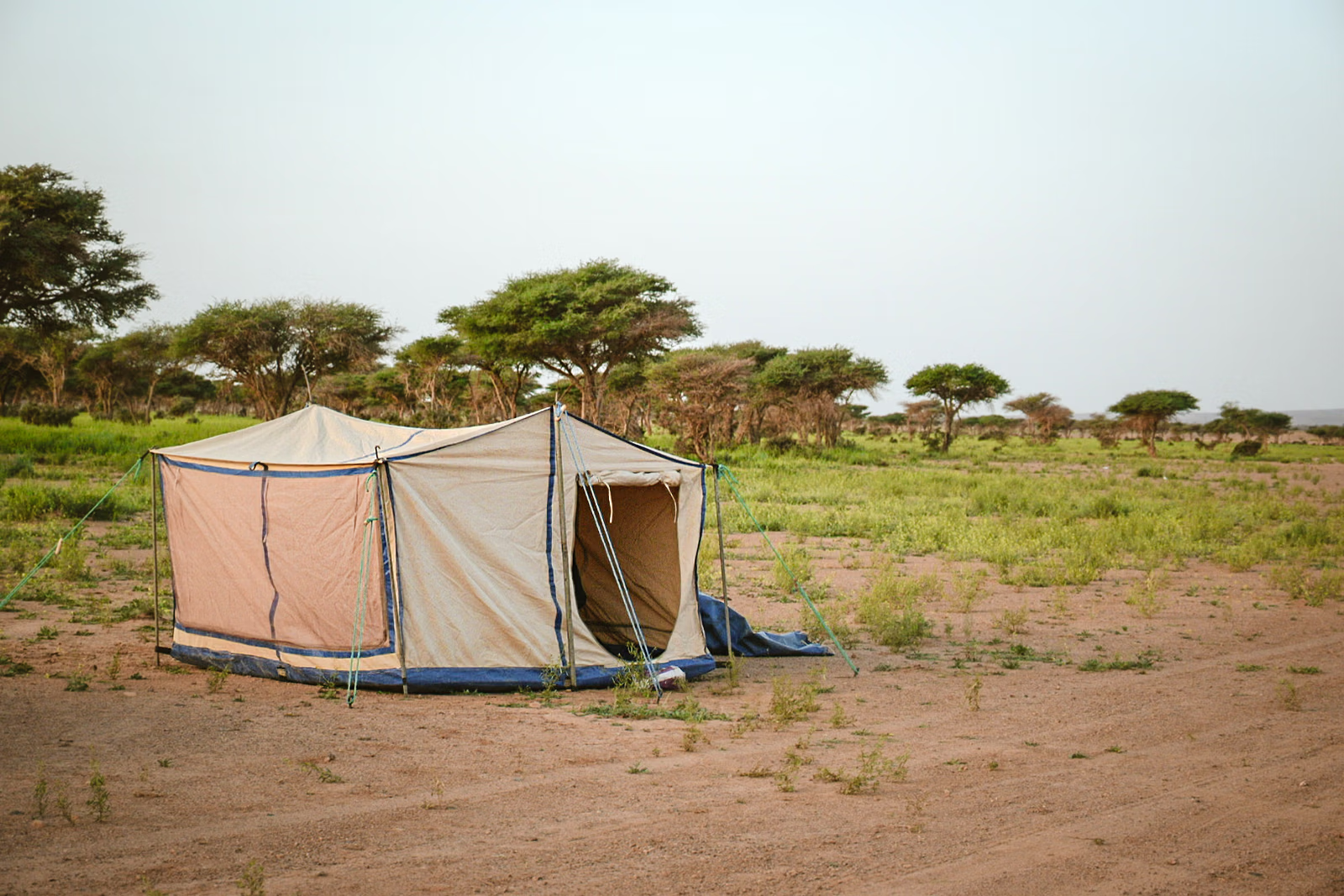
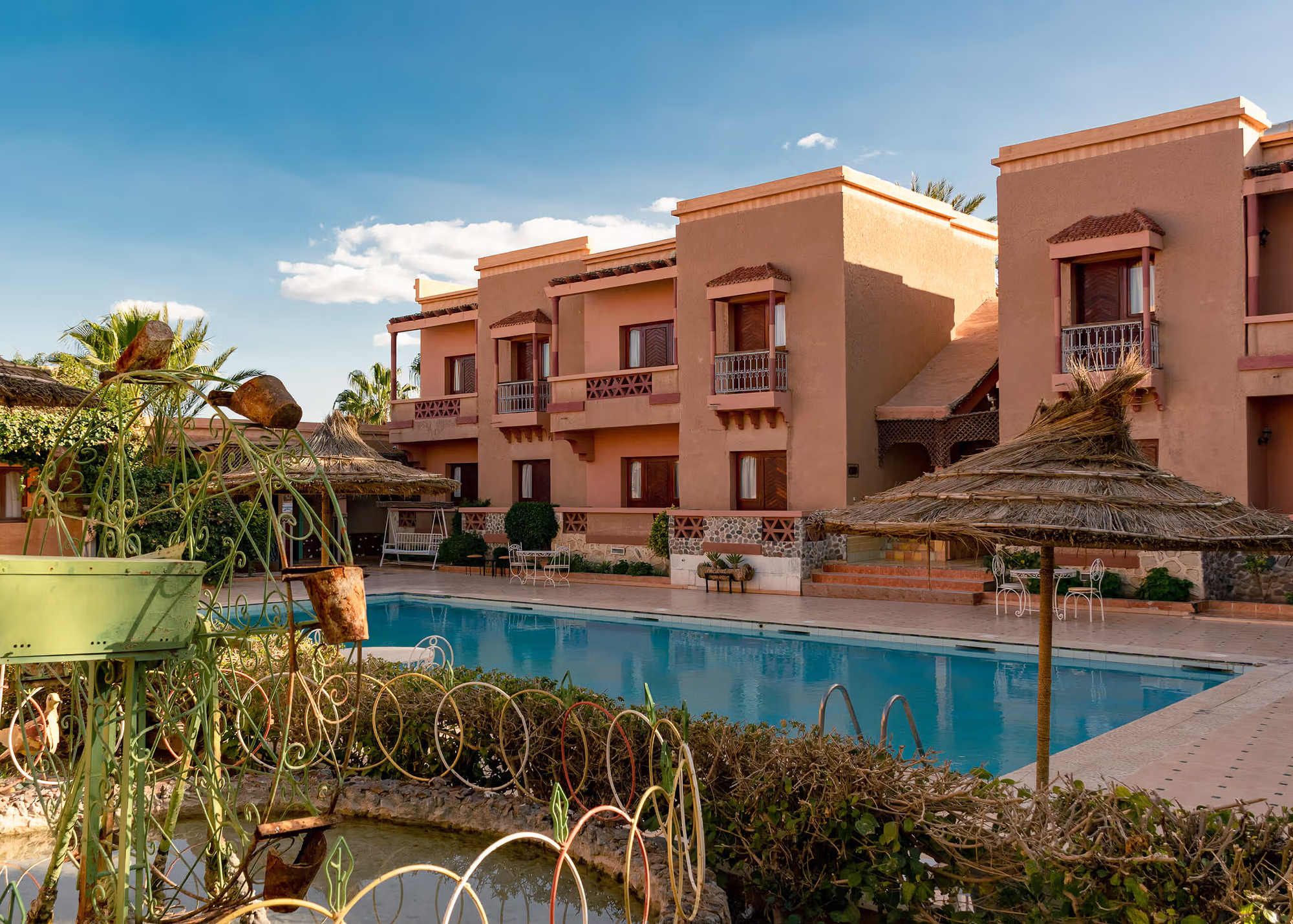
The first and last night of the trip are spent in a hotel in Ouarzazate with a swimming pool (it's warm enough to swim between April and October usually). Accommodation while on the trail (5 nights) is in simple two-person dome tents. Foam mattresses are supplied, you need to bring sleeping bags. There is a shower tent with a large bucket of hot water for washing every day. There is one shower tent and one toilet (chemical). Private rooms and tents are available for a single supplement
All meals are included and feature traditional Moroccan and European (usually French) dishes. Lunches are typically light - fresh salads and delicious homemade bread - while dinners include hot and cold salads followed by tagine, couscous or flatbread. Drinking water is provided, but please bring a metal water bottle (no plastic). Other drinks can be purchased locally.
Alcohol is not available along the trail but you are welcome to bring your own from home or buy from duty-free, be aware that local options are limited and expensive. The back up includes a truck carrying the luggage and camping equipment which will meet you most lunchtimes, there is a cook, driver, a guide who cares for the horses and an English speaking guide.
Desert Cavalcade Trail
Booking Conditions
See the full booking conditions specific to this trail here.Do not book your flights until you have received your booking confirmation email from SaddleTravel.com.
Flight and transfer information
- Arrival airport: Ouarzazate (OZZ) or Marrakech (RAK)
- Arrival time: Ouarzazate anytime and Marrakech before 14h00
- Departure time: Ouarzazate anytime and Marrakech after 14h00
- Transfer arrangements: If you are flying into and from Marrakech please take into account a transfer time of about 5 hours which cost €150 per car/per way. Transfers from Ouarzazate are included.
Single room supplement: £93 (a single room at the hotel and a single tent) or £36 (single tent only)